
Speed Read
- In March, declassified archives showed how Israel secretly supplied Sri Lanka with weapons, campaign funding and military training disguised as agricultural advice.
- The cables show not only Israel’s contribution to Sri Lankan Government’s war effort but also how Israel set out to normalize relations between the countries after Colombo severed diplomatic ties with Israel in 1970.
- Tel Aviv has retained cordial relations with Colombo despite fluctuations and supported successive governments’ military offensives against the Liberation Tigers of Tamil Eelam (LTTE), with Colombo relying heavily on Israel for security advise and training.
- However, with the influx of Israeli tourists in the East and South, there is growing tension between the ‘settler tourists’ with local communities strongly opposing Israeli presence.
COLOMBO –The ethnic tensions in Sri Lanka were palpable long before the war broke out in 1983. The simmering discontent had historical contributory factors. Political marginalisation and disenfranchisement of Tamils of Indian origin, now known as the Malaiyaha Tamils, driving statelessness and language-based discrimination through legal instruments have fanned the flames of Tamil separatism over decades. War erupted in July 1983, consuming nearly three decades and nearly 70,000 lives.
Meanwhile, Sri Lanka came to rely on a few friendly nations in its fight against the Liberation Tigers of Tamil Eelam (LTTE), and Israel was one of them.
Military historians have recognized that Israel has secured a special place in the country’s fight against the LTTE. Those with insights into military strategy-making and surveillance architecture confirm that some approaches, including the combat model, were not dissimilar. From the ‘settlements approach’ where lands were taken under military control or how the military offensives were conducted, there were strong similarities between Colombo’s approach to the North and Tel Aviv’s to the West Bank.
This relationship had seen fluctuations, and this was often based on Colombo’s political leadership at the time. Colombo needed Israel’s support to strengthen VIP security and to fight the LTTE, while the West Asian nation wanted greater acceptance by the Sri Lankan public. Recently declassified leaks have shown how important it was for Tel Aviv to shift the public opinion in its favor.
Strengthen bilateral ties
The declassified Israeli archives show that in the 1980s, Israel secretly supplied Sri Lanka with millions in weapons, military training disguised as agricultural advice, and possible support for election campaigns, despite serious allegations of human rights abuses against Sri Lanka.
In March 2026, declassified Israeli archives offered a glimpse of how Israel gradually laid the foundation for military policy influence in Sri Lanka.
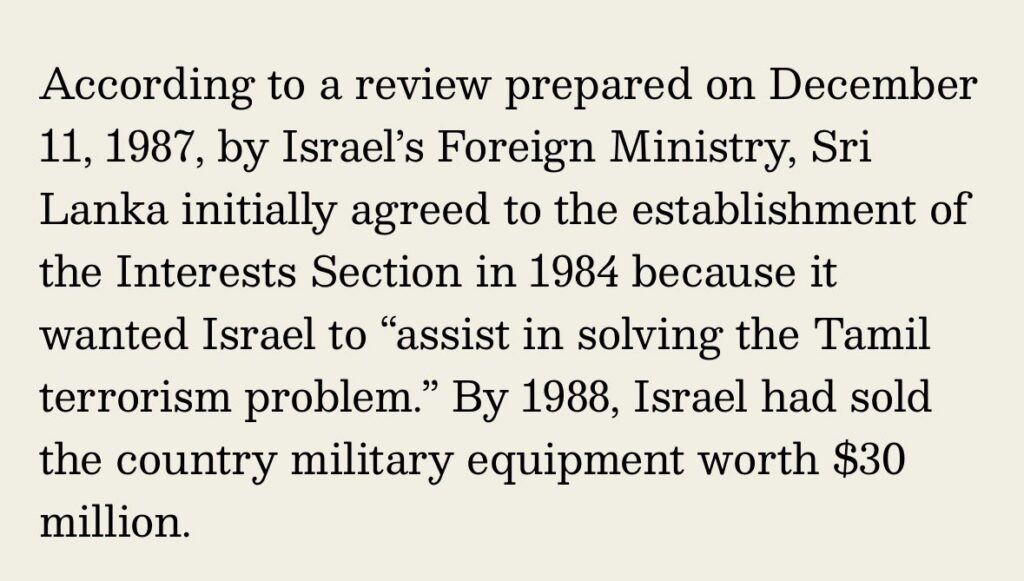
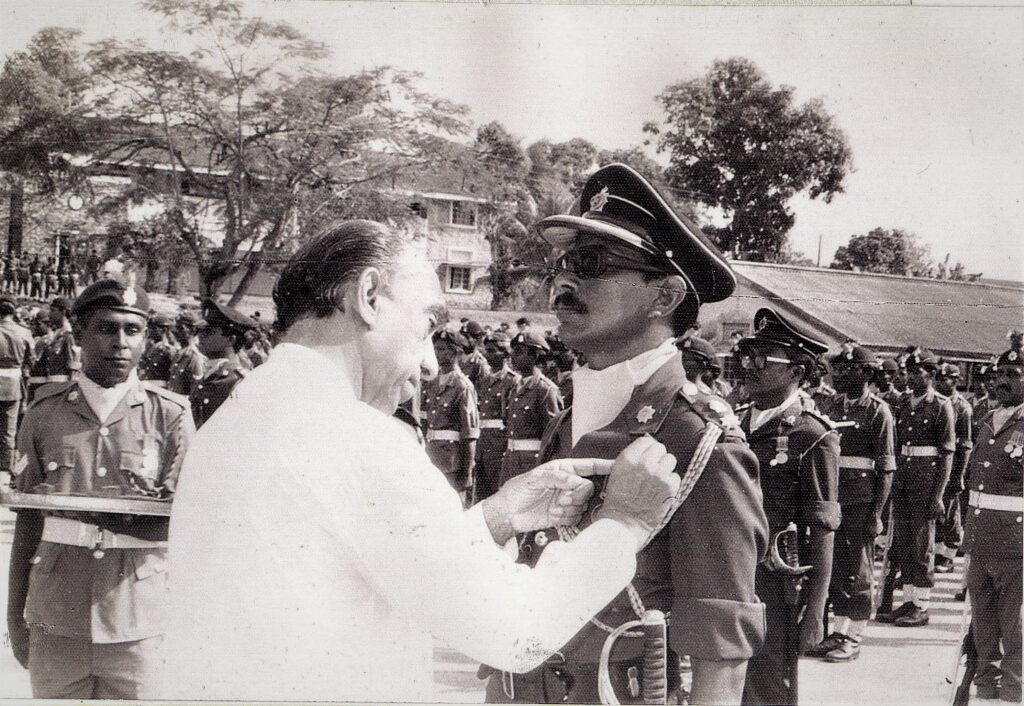
Under pressure from the Arab states, Colombo had severed diplomatic ties with Tel Aviv in 1970. This changed when Junius Richard Jayewardene, known for his pro-West politics, decided to forge ties with Israel. In 1984, a year after the war broke out, an Israeli Interests Section (IIS) was opened at the U.S. Embassy in Colombo. According to a review prepared on Dec. 11, 1987, by Israel’s Foreign Ministry, Sri Lanka had initially agreed to the establishment of the IIS due to its need to obtain assistance to solve “the Tamil terrorism problem”. Israel had sold military equipment worth $30 million to Sri Lanka in the next four years.
The files confirm that Israel viewed the relationship as a key strategic opportunity to strengthen ties with Sri Lanka during the civil war, with Israeli personnel providing crucial military and intelligence training. It would be among the earliest times when Israel embedded itself in the local system for intelligence gathering. Israel had remained a key supplier of weapons during the nearly three decades of Sri Lanka’s war.
One of the leaks from 1987 showed how President Jayewardene requested $1 million from Mossad, Israel’s intelligence agency, to fund his election campaign. Israel approved the request, though the cables do not bear evidence of it.
According to insiders, since the UNP’s election in 1977, Mossad had increased its sphere of influence, particularly in military policy. The files reveal long-term ties between Sri Lanka and Israel and, in the late 1980s, how Israeli personnel provided military training to Sri Lankan forces and the president’s security division.
Leaks also showed that Israeli instructors involved in training operations in the North were, at times, presented as “agricultural advisers”. This method was considered the best way to support the war effort without their real identities being discovered.
These developments occurred at a time when India-Sri Lanka relations were strained, with reports indicating India’s concern over Sri Lanka’s engagement with Western and Israeli actors. The neighbor’s discontent did little to dampen Jayewardene, who was convinced of the need for Western allies.
What the cables say
Cables from 1985 and 1986 showed Israel having sold Colombo six Dvora-class fast patrol boats worth $10 million and Mini-Uzi submachine guns “for considerable sums”. A June 1987 cable referred to the sale of electronic fences, communications equipment, machine guns, and ammunition to Colombo. Other cables referred to training the personal bodyguards of President Jayewardene and Sri Lanka’s military. A 1987 cable reported that Israeli military instructors had been publicly presented as “agricultural advisers”.
On Feb. 15, 1987, Israel had responded positively to “Sri Lanka’s urgent request for assistance in security preparations against Tamil underground activity” and indicated weapons and ammunition worth $3 million. One cable revealed how the U.S. ambassador in Colombo approved Israel maintaining ties with the Sri Lankan military but recorded his dim view of the Special Task Force (STF).
Cables also showed how important it was for Israel to be positively viewed by Sri Lanka, especially the IIS.
A 1987 cable mentioned how important it was for Israel to see the complete normalization of relations with Sri Lanka and the need for public diplomacy to create the right atmosphere among the local people. There were concerns about being viewed solely as an organization established to assist the government in its war against Tamil terrorism, which was also the official explanation provided for setting up a mission in Colombo.
Israel had also acknowledged Colombo’s main reason for renewing diplomatic ties was the need for military assistance, and though there was little faith in the ability to win the war, it suited Tel Aviv to bolster ties with Colombo by extending military support. A cable recorded Jayewardene being unhappy with the Western nations for not favoring the requests for military aid and being appreciative of Israel as the only country to help with security and intelligence.
Meanwhile, the Colombo administration was under severe pressure from the Arab states and the political opposition to close the IIS in Colombo, and cables from August 1987 recorded that President Jayewardene had asked a Mossad representative for $1 million to fund his election campaign. A cable read: “We have an interest in his victory, and therefore we should assist it.” It was the IIS belief that the unit will have to shut down if power shifts to the opposition, which had severed ties with Israel in 1970 and had pledged to expel the Israelis after electoral success.
The IIS’ military assistance was viewed by some as something that should not have happened considering the human rights abuses linked to the war and a history of a violent military crackdown in 1971 to control a southern uprising. Human rights bodies and local Tamil groups have opposed IIS’s open support through advice, training and equipment to conduct surveillance to unleash violence on the Northern Tamil populations, a charge dismissed by Tel Aviv as anti-Israel propaganda.
Dismantling IIS
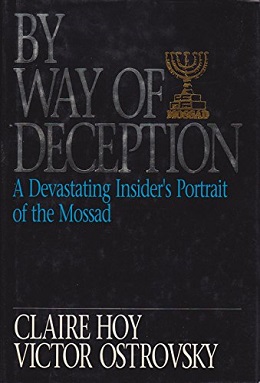
However, the bilateral romance ended when Ranasinghe Premadasa was elected president in 1988. He shut down the IIS in 1990 and, in 1991, set up a Presidential Commission of Inquiry into the allegations contained in the book “By Way of Deception” by former Mossad agent Victor Ostrovsky that probed the activities of Mossad in Sri Lanka.
The commission was established during a period of complex security and political challenges, after reports emerged that Mossad agents participated in training Sri Lankan security forces in the early days of the war. The Commission was mandated to probe the extensive influence of the foreign security entity in Sri Lanka. Meanwhile, the book bore evidence as to how deeply embedded Israel was in Sri Lankan counter-terrorism operations and how Mossad trained both the government security forces and the LTTE. The commission chaired by S.W.P. Wadugodapitiya had been labelled by critics as an eyewash which failed to document the extent of Israel’s actual engagement and influence in Sri Lanka’s military operations.
In 1992, President Premadasa ordered the closure of the Israeli Interests Section (IIS) in Colombo.
Defense cooperation
Eight years later, Sri Lanka re-established diplomatic ties with Israel in 2000.
However, Israel has never been out of Sri Lanka’s military scene. By the time Mahinda Rajapaksa became the president in 2005, Sri Lanka had become one of Israel’s important Asian clients, with Colombo heavily relying on Tel Aviv for military procurements and technology. By 2009, Israel was a well-established supplier of weapons to the island. In the post-war period, new procurements have slowed, but technical support and upgrading of existing hardware continue.
A sizeable portion of Sri Lanka Navy still relies on Israeli-built Dvora, Super Dvora, and Shaldag fast attack craft and they require regular maintenance and parts replacement. Similarly, Sri Lanka Air Force operates Israeli-made Kfirs, with technical-personnel collaborations ongoing. A $50 million contract was signed with Israel Aerospace Industries to upgrade the Sri Lanka Air Force’s fleet of Kfir fighter jets and test flights of these modernized aircraft took place as recently as June 2026.
“There have been some rough patches, but overall, it has remained a steady relationship. Both countries continue to deepen economic and labor ties,” notes a retired diplomat.
Settler tourism
The recent leaks may have given Sri Lankans a glimpse of what was known and unknown as Israel’s strong links with Sri Lanka. During the years of war and thereafter, and long before television news brought the West Bank’s atrocities into people’s living rooms, a section of Sri Lankans may have viewed Israel positively. But Israel’s recent role in the West Asia crisis has globally caused its reputation to plummet.
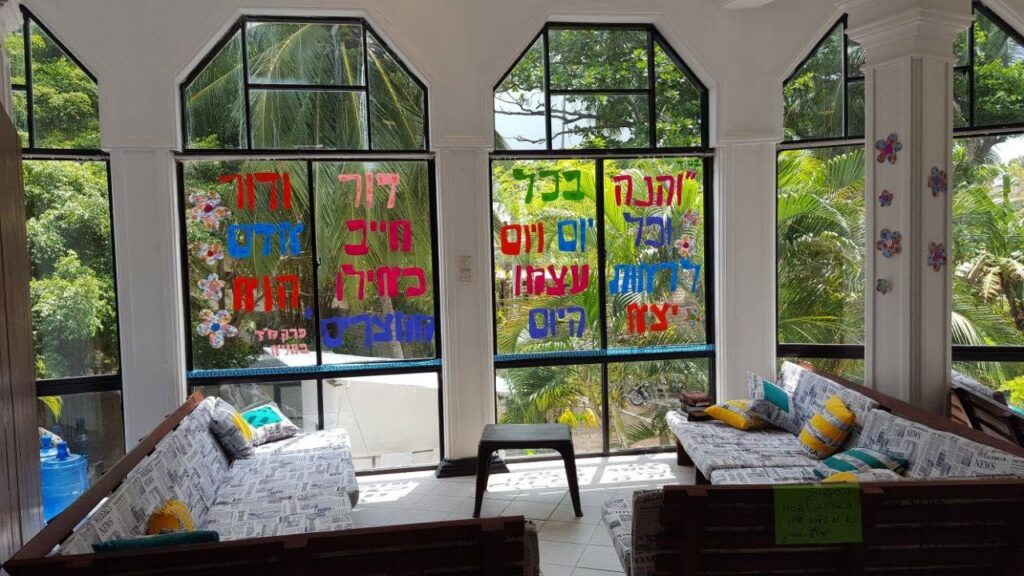
As Israelis form small communities in the South and East, operating unauthorized businesses and sometimes clashing with local customs, many residents are becoming uneasy about their presence and suspicious.
Tensions have emerged in recent years regarding an influx of Israeli tourists setting up unregulated businesses – such as yoga studios, surf camps, guesthouses, and Chabad houses – primarily in coastal regions like Hikkaduwa, Ahangama, Weligama and Arugam Bay. Local communities have protested that these settler tourists operate on tourist visas, evade local taxation and bypass regulatory oversight. There had also been clashes between the Israelis and local communities, sometimes triggering travel warnings.
From yoga instructors to business operators to digital nomads to long-term visitors, the line between tourism and settlement has become increasingly blurred. “I don’t know whether they are tourists anymore. Tourists are short-term visitors, not settlers. Local people lived in fear during the recent West Asia crisis and now there is greater tension. There have already been clashes between them and residents, and now we are on permanent edge,” says Mevan, a local tourist guide from Hikkaduwa.
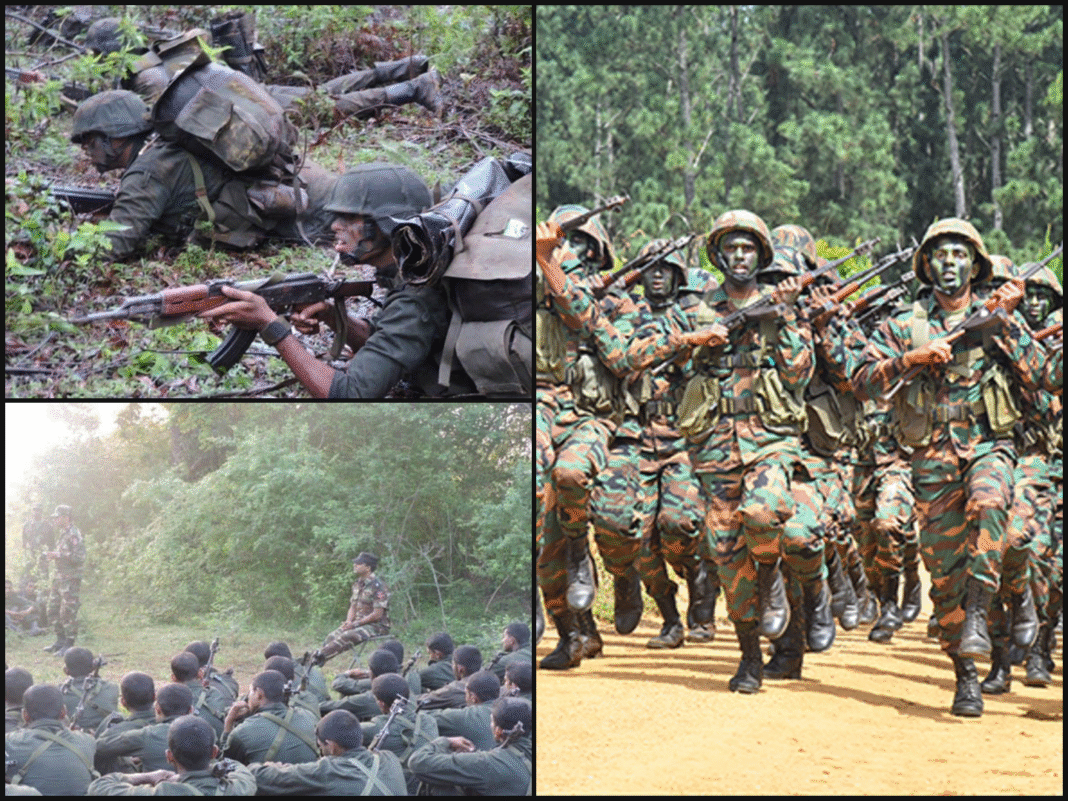
Banner Image: Ongoing tactical training and field exercises conducted by contemporary Sri Lankan military forces. Images via Sri Lanka Army and Sri Lanka Military Academy.
This report was filed by a Special Correspondent.