
Speed Read:
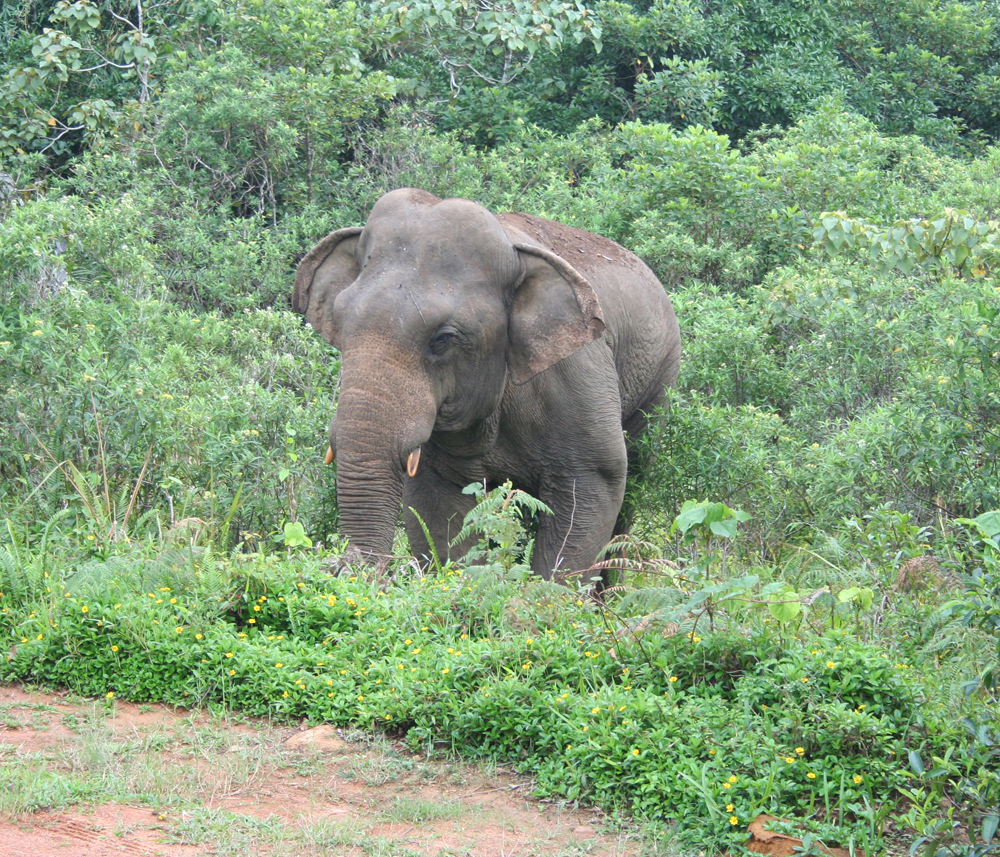
- ‘Panu kota,’ a lone elephant (Elephas maximus maximus) roaming the Sinharaja forestcapes in Sri Lanka’s south is living evidence of how deforestation causes habitat loss, restricting animal movement through natural corridors.
- Clearing of the Botiyathenna forest—an important elephant corridor linking the Handapan Ella and Walankanda primary forests —has intensified human–elephant conflict, forcing the solitary elephant to move through plantations and settlements.
- Due to the sensitivity of the area, conservationists have recommended the declaration of Botiyathenna as a protected sanctuary.
- Experts also call for a coordinated effort among government agencies and law enforcement authorities to regulate encroachment and illegal resource extraction.
RAKWANA, Sri Lanka—Sirisena Gamage, a father of five, owned a small tea plot in Manikkawatte, a village nestled in Rakwana, Sabaragamuwa province, near the southern boundary of the Sinharaja Forest Reserve.
Three years ago, he failed to return home from his field. The next morning, Gamage’s relatives began searching for him. The search operation ended with the discovery of his lifeless body.
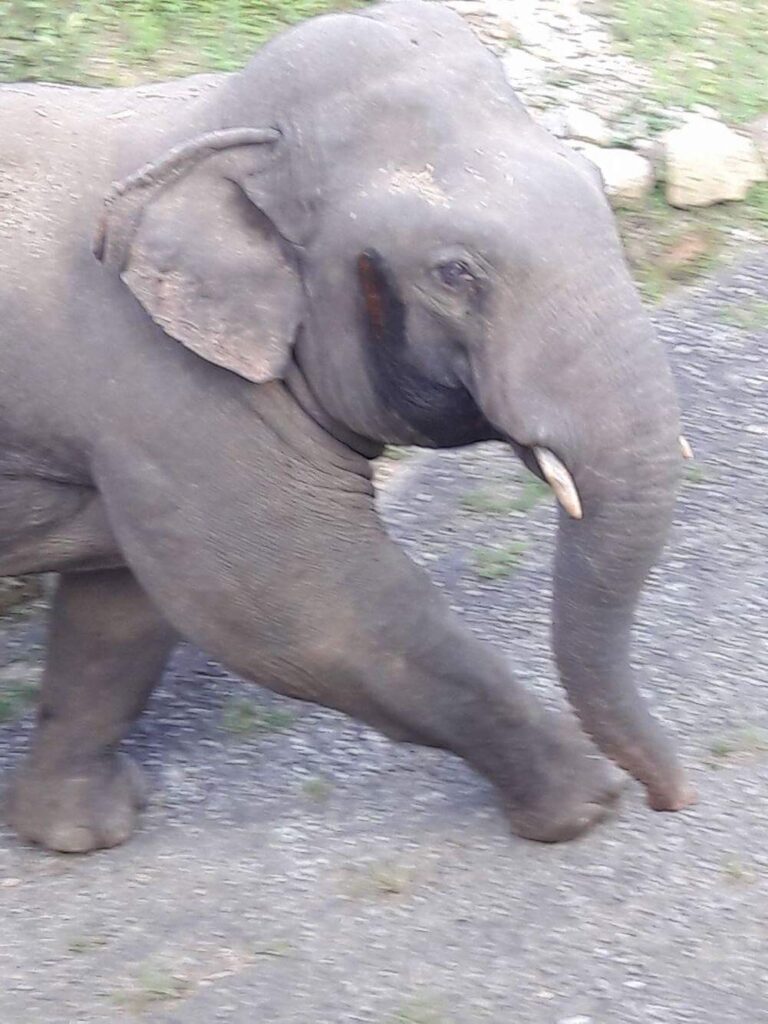
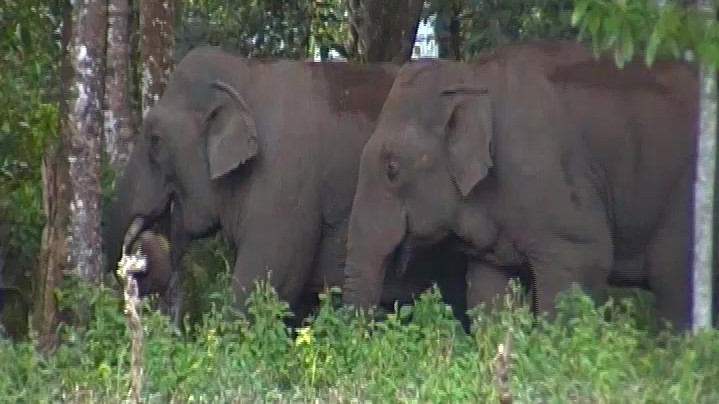
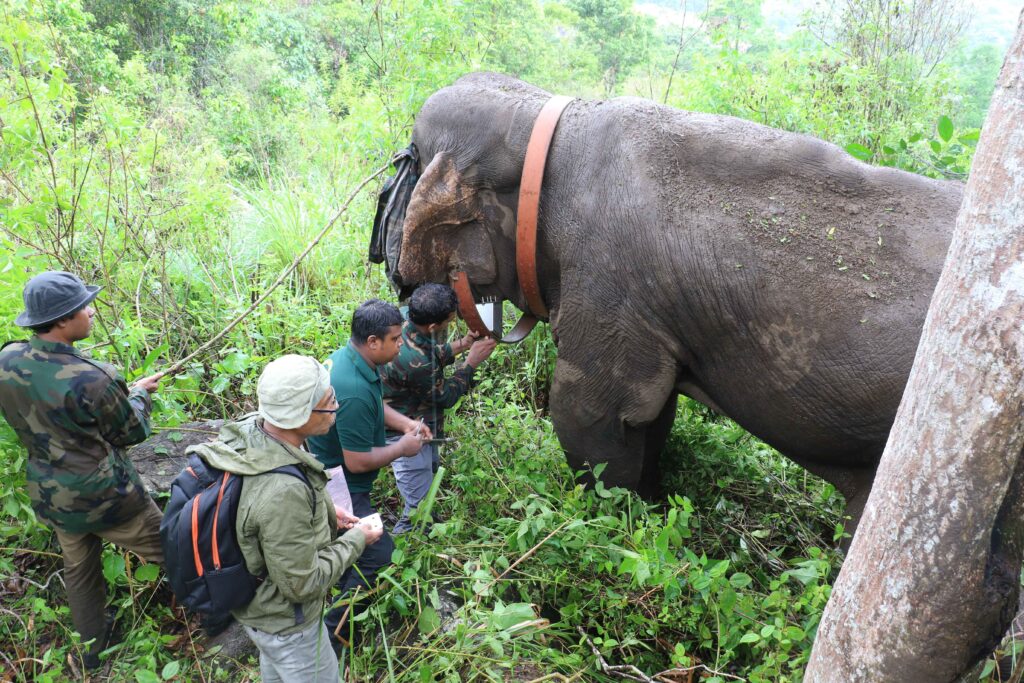
Evidence suggested he had been attacked by an elephant—and there was only one suspect—an elephant known as ‘panu kota,’ the only remaining elephant (Elephas maximus maximus) inhabiting the Sinharaja rainforest landscape.
The incident is a stark reminder of the growing human–elephant conflict in this region. Unlike the other entrances to Sinharaja, the hilly Rakwana side is dominated by tea plantations interspersed with fragments of rainforest. Over the years, villages and estate settlements have expanded along the forest boundary, bringing humans and wildlife into closer contact.
The lone elephant that roams this landscape is known to undertake seasonal movements across Rakwana through several villages. A century ago, ancestors of ‘panu kota’ would have moved freely using the same route through a mosaic of forests that connected Sinharaja with surrounding habitats. These forest patches functioned as natural corridors that allowed wild animals to move safely between feeding and resting areas. Today, many of these corridors have been cleared or encroached upon, intensifying encounters between humans and wildlife, says Sajeewa Chamikara of the Movement for Land and Agricultural Reform (MONLAR).
Intensifying HEC
Large-scale forest clearances began during the colonial period with the expansion of plantations and continue to date despite growing awareness of the ecological importance of Sri Lanka’s lowland rainforests. Sri Lanka is one of the 35 global biodiversity hotspots, with lowland rainforests being the only haven for the majority of the island’s endemic biodiversity. But sadly, despite the recognition of this significance, the deforestation and fragmentation of these forests continue—especially the unprotected forest corridors linking remaining forest patches, says Chamikara.
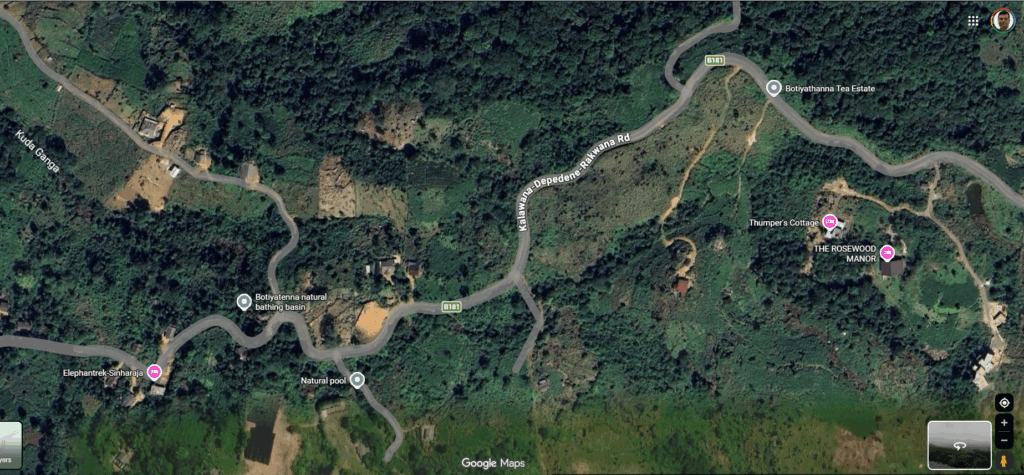
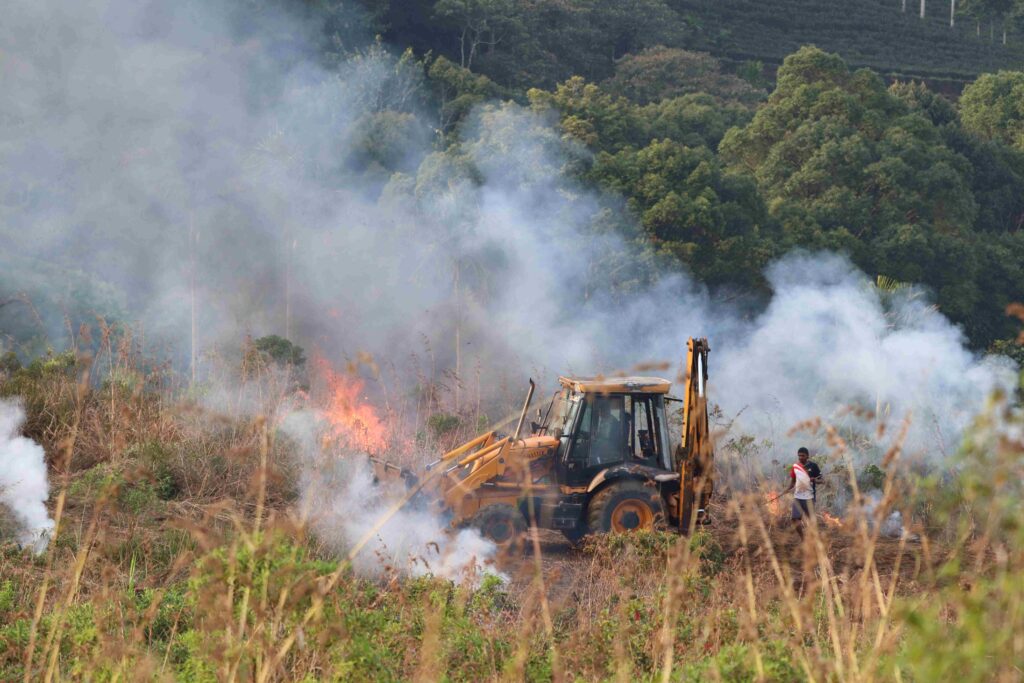
The most recent example is Botiyathenna, an area bordering Sinharaja where about 10 acres (about 0.04 km²) of forested grasslands have recently been cleared, providing evidence that commercial interests are driving forest clearance,” Chamikara explains. The landscape around Botiyathenna has seen increasing tourism development, with visitors traveling to nearby attractions like the scenic Handapan Ella waterfall. The region’s rich gem deposits have also led to widespread illegal mining, which further damages fragile forest habitats.
“The gem mining is extensive, sometimes involving heavy machinery,” says Suranga Buddhika, president of the National Environmental Foundation (NEF). Much of this activity occurs within what used to be a key elephant corridor. As these traditional movement routes become blocked by mining and other developments, the elephant is forced to navigate through villages and plantations, increasing the likelihood of encounters with people, Buddhika notes.
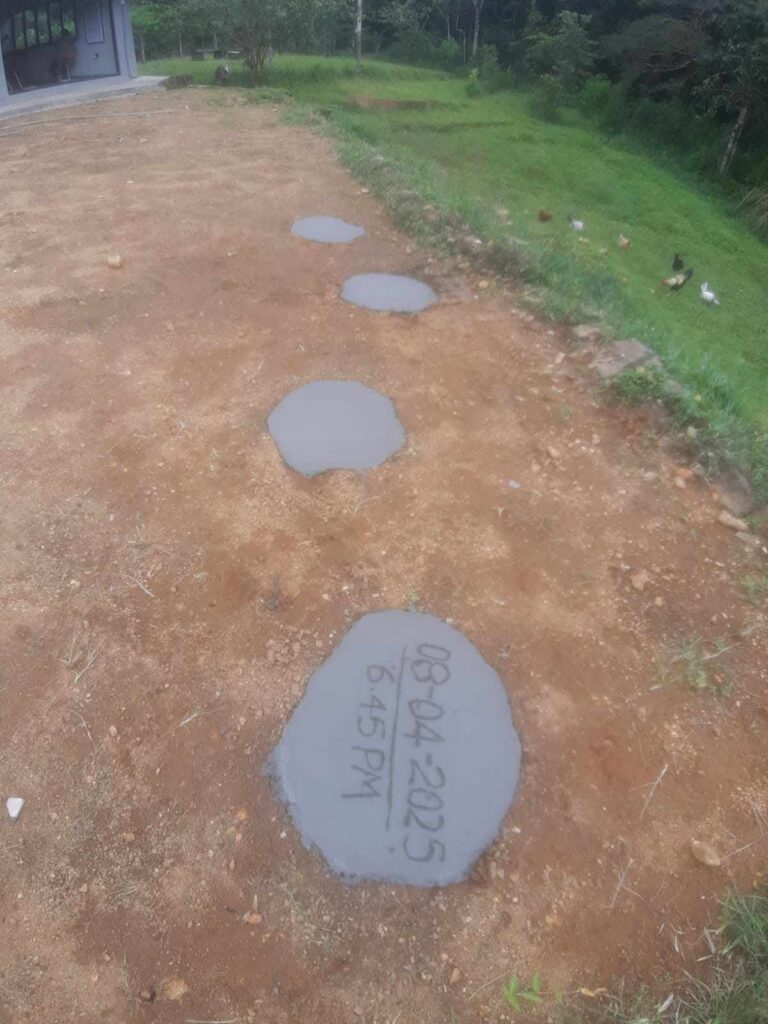
“The elephant often passes through this stretch while in musth, which further increases the risk of conflict,” adds Buddhika. Due to the ecological sensitivity of the area, conservationists have recommended that the government declare Botiyathenna a protected sanctuary.
Botiyathenna forms a crucial link between the Handapan Ella and Walankanda primary forests on Sinharaja’s periphery. Located more than 3,000 feet (914.4 meters) above sea level, despite their significance, these forests remain poorly studied, says Manjula Karunaratne, a senior geography lecturer at the University of Ruhuna.
Many of these unprotected wildernesses in the area fall under lands managed by the Sri Lanka Land Reform Commission (LRC). According to Karunaratne, large portions of these lands — ranging from 50 to 300 acres (0.20 – 1.21 km²) each — have been transferred to private owners decades ago for commercial investments. Over time, much of the forest has already been cleared for tea plantations, spice cultivation, tourist hotels, bottled-water projects, and granite/gem mining, all of which have contributed to the soil erosion and disruption of fragile ecosystems.
Karunaratne calls for stronger coordination among the Forest Department, the Department of Wildlife Conservation (DWC), and law enforcement authorities to regulate encroachment and illegal resource extraction.
He also highlights the importance of empowering communities living around Sinharaja through community-based conservation initiatives that can share management responsibilities and benefits. Such integrated landscape-level conservation approaches, implemented at the grassroots level, are crucial for protecting both wildlife and the fragile rainforest ecosystems, he adds.
Biodiversity hotspot under pressure
The lone elephant is only the most visible sign of a deeper ecological problem. The Rakwana landscape forms a part of Sri Lanka’s wet-zone rainforest belt and represents one of the country’s richest centers of endemic biodiversity. Fragmented forests surrounding Sinharaja support numerous endemic reptiles, amphibians, birds, and plants that depend on interconnected rainforest habitats.
While the Sinharaja forest reserve remains Sri Lanka’s best-known rainforest and a UNESCO World Heritage Site, many surrounding forest fragments remain outside the formal protected area network. These forests form part of Sri Lanka’s lowland rainforest complex and act as ecological links that allow wild animals to move across the landscape.
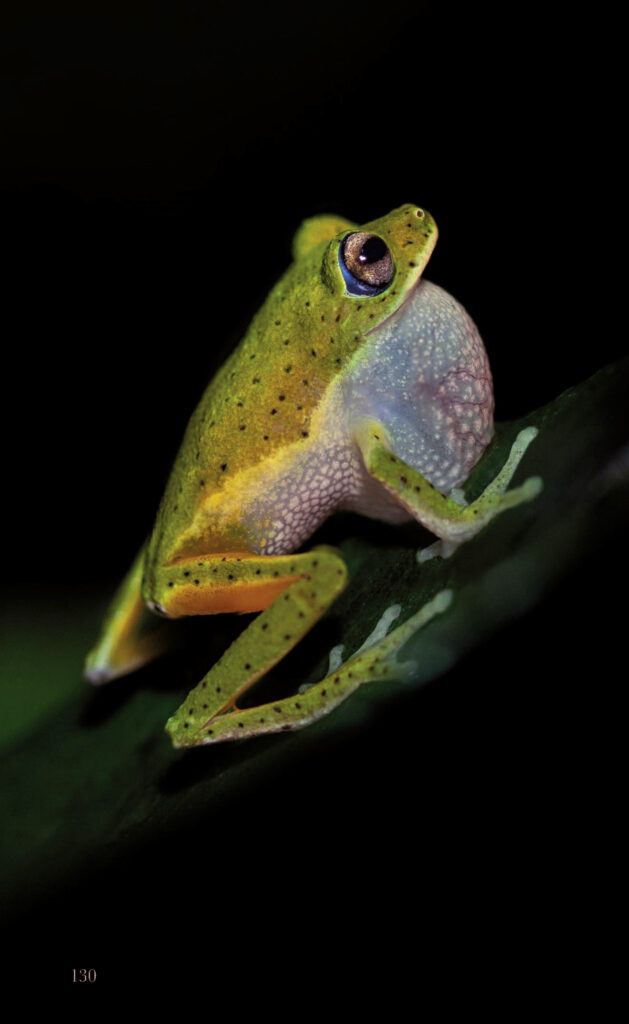
Researchers have recorded several rare amphibians and reptiles in these forest fragments, some of which occur only in a handful of locations. When such habitats are cleared for agriculture, mining, or tourism infrastructure, entire populations can disappear, they say.
Despite their ecological importance, many of these forests remain vulnerable because they are managed by the LRC. Unlike the forests under the Forest Department or the DWC, LRC lands often lack strong conservation mandates, Chamikara adds.
Environmental groups have long called for these forests to be incorporated into Sri Lanka’s protected area system or be managed under stronger conservation frameworks. Without such measures, conservationists warn that the remaining rainforest patches around Sinharaja could continue to disappear, isolating one of the island’s most important ecosystems.
Policy gaps, missed opportunities
The problem has roots in past land policies. The 1972 Land Reforms law limited private agricultural holdings to 50 acres (0.20 km²), bringing large areas of land — including some primary forests — under state ownership. In subsequent years, large tracts of land were released for investment, often to politicians and businessmen. In many cases, these lands included primary forests that were later cleared for plantations, tourism, and other commercial ventures. “Sri Lanka needs a clear policy to conserve the remaining forest areas and offer better legal protection,” says Indi Akurugoda, a senior lecturer at the public policy department of the Ruhuna University.
A July 2004 cabinet decision proposed incorporating a 500-meter (0.31 miles) buffer of peripheral LRC forests to the Sinharaja World Heritage site, which could have added more than 2,500 hectares (25 km²) of primary forest. Although the proposal was approved, it was never fully implemented, Akurugoda points out.
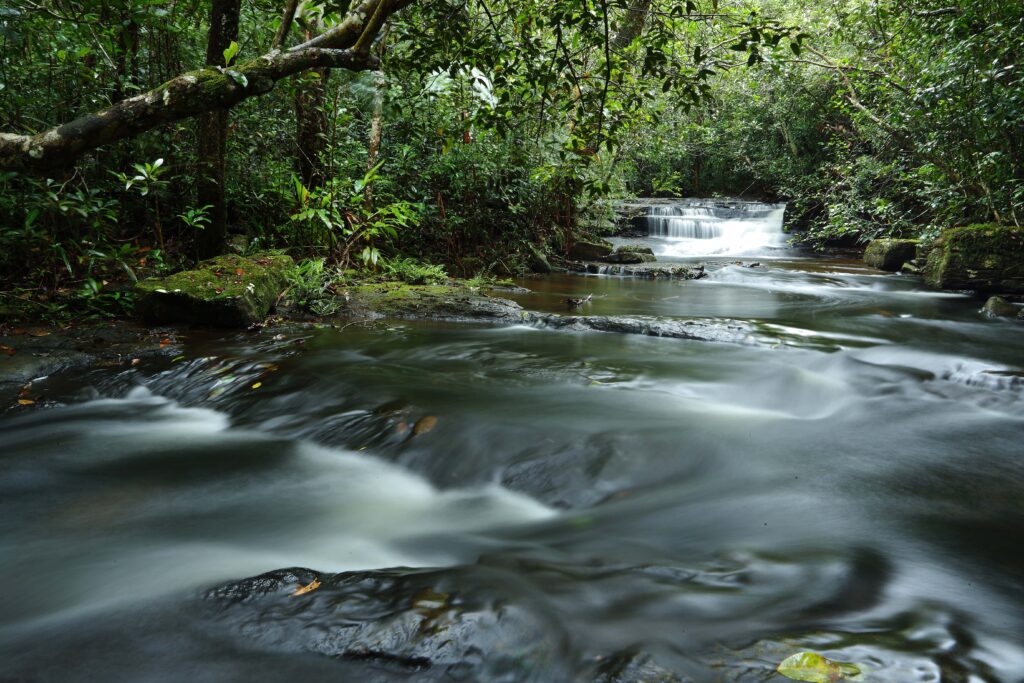
Some forest areas were later added to Sinharaja during a government initiative in 2019 to expand the protected area. Yet many important forest patches remain outside the reserve. Conservationists continue to call for the establishment of at least one kilometer (0.62 miles) environmentally sensitive buffer zone around Sinharaja.
Conserving beyond Sinharaja
For communities living along the forest edge, the consequences of shrinking forest corridors are already visible. The lone elephant continues to move through plantations and settlements in search of food and safe passage between remaining forest patches.
Nimal Gunatilleke, an emeritus professor of the University of Peradeniya who studied Sinharaja ecology, notes that losing these forest links could also undermine the ecological stability of Sinharaja itself. Smaller forest patches surrounding the reserve act as buffers that protect watersheds, regulate microclimates, and provide additional habitat for wildlife, he adds.
“When these patches disappear, species become isolated and ecosystems become more vulnerable to climate change and human interventions,” Gunatilleke tells CIR.
The tragedy in Rakwana is a reminder that protecting Sinharaja alone is not enough. Safeguarding surrounding rainforest corridors may ultimately determine whether Sri Lanka’s last great rainforest landscape—and the extraordinary biodiversity it supports—can survive into the future, Gunatilleke notes.
Reporter: Malaka Rodrigo
Editor: Dilrukshi Handunnetti