
Speed Read:
- Sri Lanka’s relationship with neighboring India remains central to regional stability but cannot come at the expense of strategic autonomy.
- The traditional non-aligned stance is no longer sufficient as Sri Lanka needs to actively engage with all major powers – India, China, the U.S., European Union and the Gulf nations– without overdependence on any single partner.
- Delay in response exposed IRIS Dena to unnecessary risk.
- Over the next decade, Sri Lanka will face mounting pressure due to lack of energy insecurity, competition for investment and great power rivalry.
COLOMBO – At a time when global power rivalries are intensifying and regional mechanisms like SAARC remain fragile, Colombo finds itself walking a delicate line balancing strategic autonomy with economic necessity, and neutrality with pragmatic engagement.
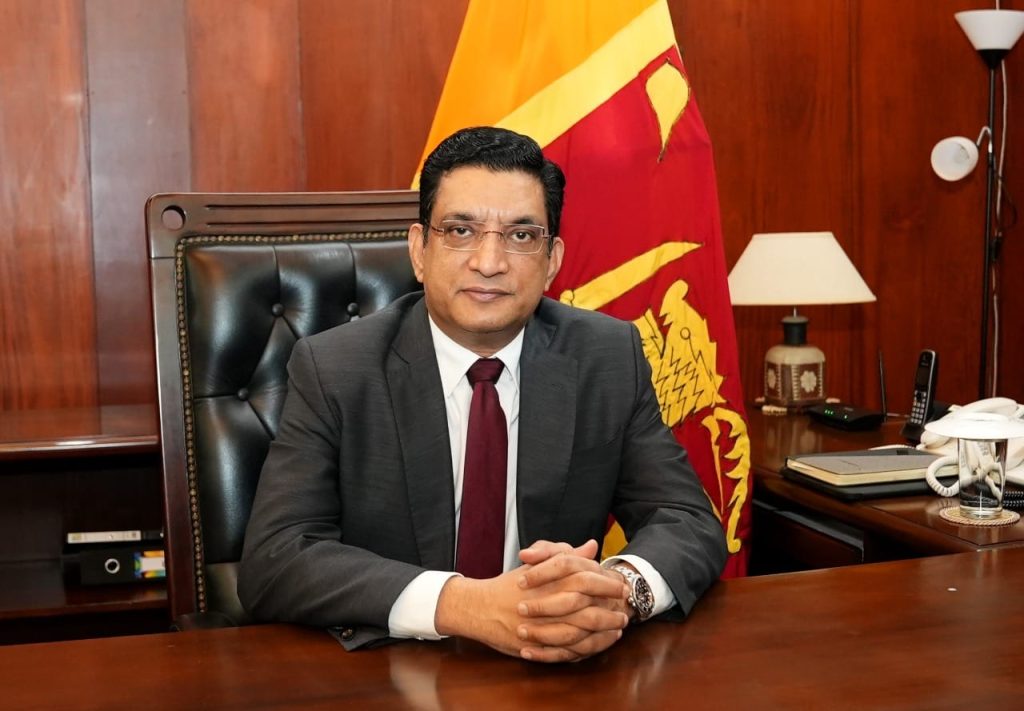
In this wide-ranging interview, former foreign minister Ali Sabry reflects on Sri Lanka’s handling of the IRIS Dena incident, the evolving role of India, and why Sri Lanka must move beyond traditional non-alignment towards a more agile, “multi-aligned” foreign policy. He also outlines the structural gaps in decision-making, the urgency of economic diplomacy, and the geopolitical risks that could shape the country’s trajectory over the next decade. Excerpts:
Q: How do you assess Sri Lanka’s handling of the recent geopolitical and maritime tensions in the region?
A: Given the complexity of the situation and the geopolitical realities Sri Lanka operates within, I think the country has handled it reasonably well, except for one shortcoming.
Overall, Sri Lanka maintained its independence and adhered to a non-aligned posture.
Q: What was the shortcoming?
A: The initial response to the IRIS Dena incident was delayed. By keeping the vessel in international waters for too long, it {vessel}was exposed to potential attack, including by the U.S. Sri Lanka could have acted more swiftly and allowed safe passage earlier, particularly since the vessel was not a combatant and was reportedly on a goodwill mission. Beyond that, the situation was handled well.
Q: Iran’s ambassador in Colombo recently insisted the vessels had been invited, while the government presented a different narrative. How might this affect bilateral relations?
A: Sri Lanka cannot act in isolation from geopolitical realities. It cannot afford to antagonize the U.S. While there may be a dent in relations in the short term, Iran is also likely to recognize that Sri Lanka responded to distress calls, ensured safety, and did not facilitate any external military action. In that sense, Iran would find it difficult to fault Sri Lanka entirely.
Q: Are current regional security frameworks sufficient to address emerging threats in the Indian Ocean?
A: Not really. Mechanisms like BIMSTEC and IORA need to be strengthened, while SAARC unfortunately remains largely inactive. India must take a leadership role in building consensus, particularly around intelligence sharing and limiting the presence of submarines within territorial waters and exclusive economic zones.
Q: How important is Sri Lanka’s relationship with India in ensuring regional stability?
A: Whether we like it or not, it is the most important bilateral relationship at this point. Sri Lanka must work closely with India. However, this cannot come at the cost of strategic autonomy. We cannot be subservient to any country.
It is a delicate balancing act, and we must not be seen as an extension of Indian policy. Because India is no longer the India of what we know. India has been a leader of the Global South and the Non-Aligned Movement. But over a period of time, it appears not willing to play that role.
It wants to be in the lead of the Global South but keeping one leg in the Global North. You can’t do that. Therefore, even a bigger disappointment is how India has slowly drifted away from the regional nuances. And, that’s a problem but we still have no option rather than continue to work with India.
Q: Should Sri Lanka play a more proactive role in regional security cooperation?
A: Yes, it should. Regional instability, whether in Pakistan, Bangladesh, Nepal, or Myanmar, has created a vacuum. India and Pakistan no longer talk to each other. Sri Lanka, despite its own crises, has maintained democratic governance and constitutional order. That gives us credibility.
We are seen as a neutral and respected actor in the region, and I have witnessed it as the country’s foreign minister. Sri Lanka can leverage that goodwill to act as a bridge between countries and revitalize regional mechanisms such as the Colombo Security Conclave, IORA or BIMSTEC, though this will depend significantly on India’s support.
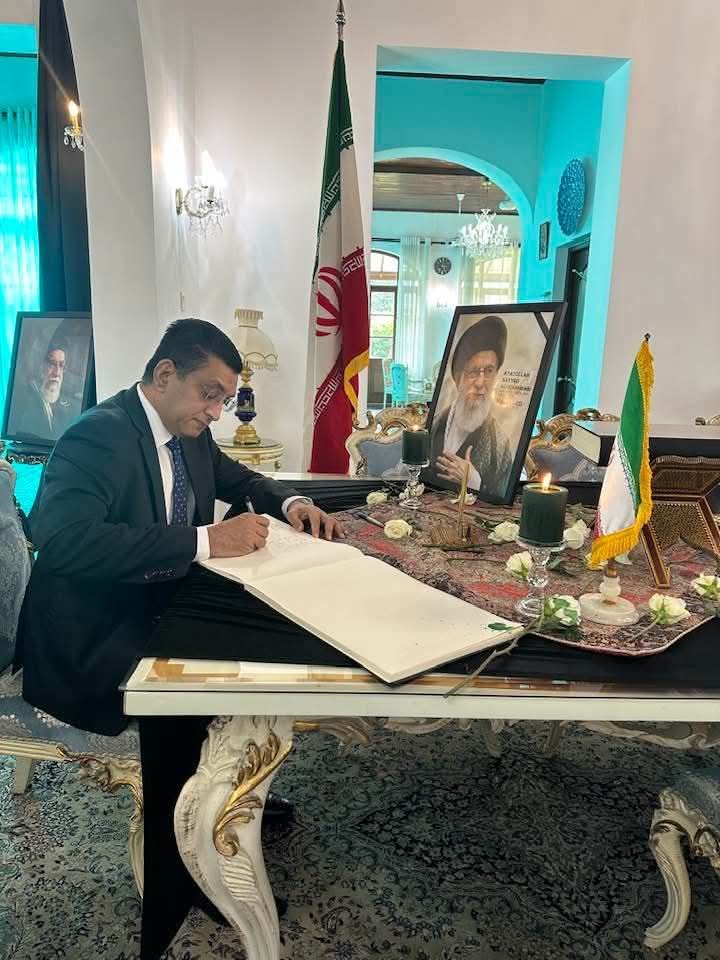
Q: To what extent can foreign policy drive Sri Lanka’s economic recovery?
A: It is absolutely central. Economic recovery and foreign policy are closely intertwined. Sri Lanka must maintain strong ties with India but also avoid overdependence. China, the European Union, the U. S., West Asia, Japan, and South Korea are all critical partners.
I prefer the term “multi-aligned” rather than non-aligned. It reflects a strategy of engaging with all. Friendship with all, enmity towards none.
Q: Are we fully utilizing our diplomatic channels to attract investment?
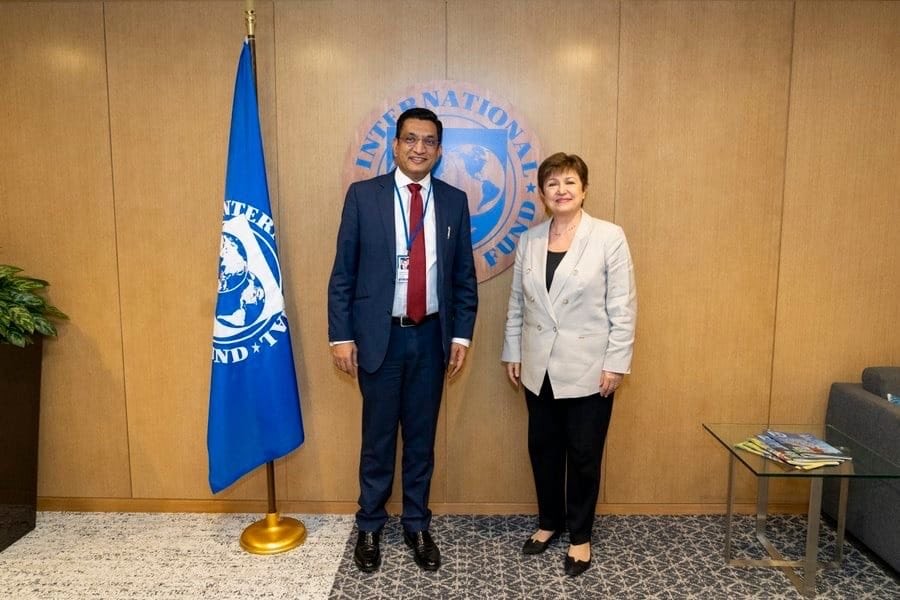
A: Immediately after the economic crisis, yes. We effectively used diplomacy to secure debt restructuring and the IMF program, to revive the economy. However, beyond that, I have not seen sufficient evidence of new investments flowing in, apart from engagement with India. If efforts are underway, they are not yet visible as outcomes.
Q: Which sectors offer the strongest opportunities for economic diplomacy?
A: Sri Lanka’s geographic location is its greatest asset. It sits along one of the busiest maritime routes in the world, but that advantage must be commercialized.
Key sectors include; maritime and logistics, energy security, transit trade between East Asia, the West Asia, Europe, and India, tourism, IT and IT services and modernized agriculture targeting export markets.
Q: Could Sri Lanka position itself as an alternative hub amid instability in the West Asia?
A: Absolutely. There is an opportunity to attract businesses seeking diversification away from West Asia. Sri Lanka is strategically positioned between West Asia and major Asian hubs like Singapore and Hong Kong.
Developments such as Colombo Port City and energy infrastructure could be leveraged to position Sri Lanka as a competitive alternative.
Q: Has the recent crisis exposed structural weaknesses in Sri Lanka’s foreign policy and national security framework?
A: To some extent, yes. The lack of a unified response, different actors conveying different messages, suggests the absence of a coordinated structure.
Sri Lanka needs a formalized mechanism, possibly a national foreign policy council, working alongside the National Security Council and the Economic Council. This body should regularly assess geopolitical developments, coordinate responses, and ensure consistent communication through designated spokespersons.
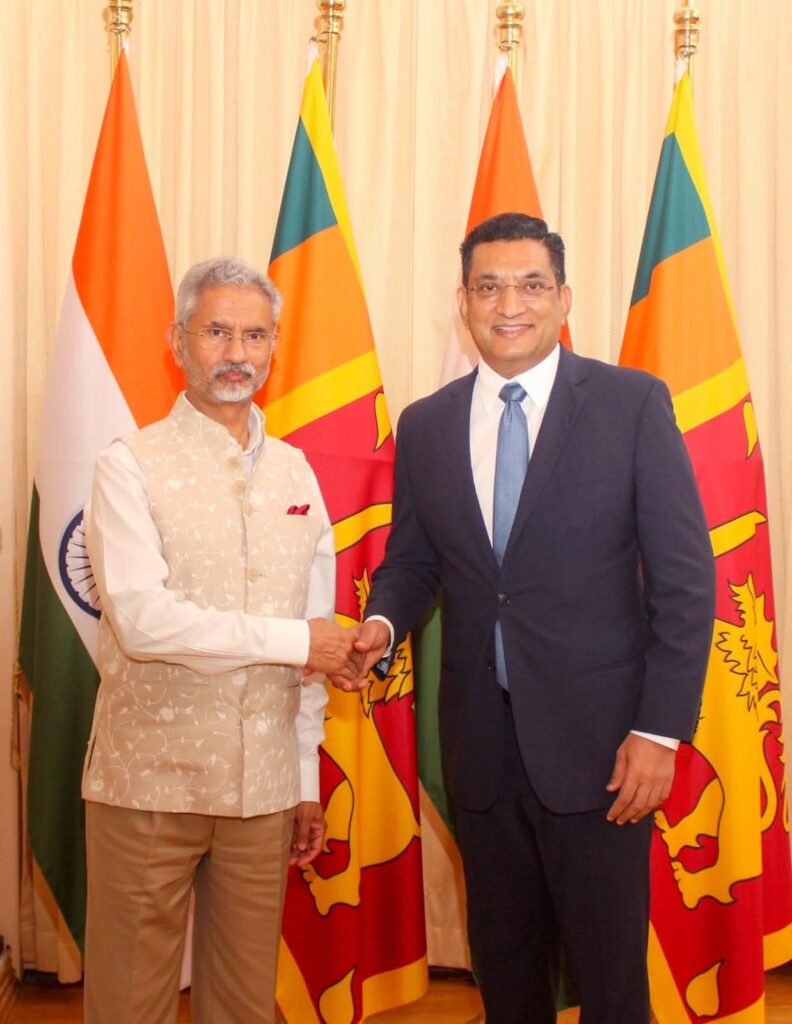
Q: What are the biggest geopolitical risks Sri Lanka could face over the next five to ten years?
A: Much depends on how global conflicts, particularly in the West Asia, evolve. We are dealing with increasingly unpredictable leadership and outcomes.
However, key risks include; energy security challenges, competition for investment, the need to balance Chinese and Indian influence and shifts in global supply chains.
Sri Lanka must also position itself to attract diverted investments from volatile regions.
Q: If you were advising the current leadership, what strategic shifts would you recommend?
A: First, aggressively position Sri Lanka as an alternative investment destination, particularly for supply chain diversification.
Second, expand port infrastructure, liberalize aviation access rather than prioritizing a loss-making national carrier, offer targeted tax incentives to attract investors and establish an efficient “one-stop shop” for investment approvals. Bureaucratic delays are a major deterrent, investors are frustrated by inefficiencies.
Finally, in foreign policy, flexibility is key. Sri Lanka should avoid rigid commitments and instead keep its options open to navigate an increasingly fluid geopolitical landscape.
This interview was conducted and edited by Gagani Weerakoon. She leads the editorial at the Center for Investigative Reporting (CIR).
This interview was produced with support from Report for the World, a global media service strengthening local independent journalism.