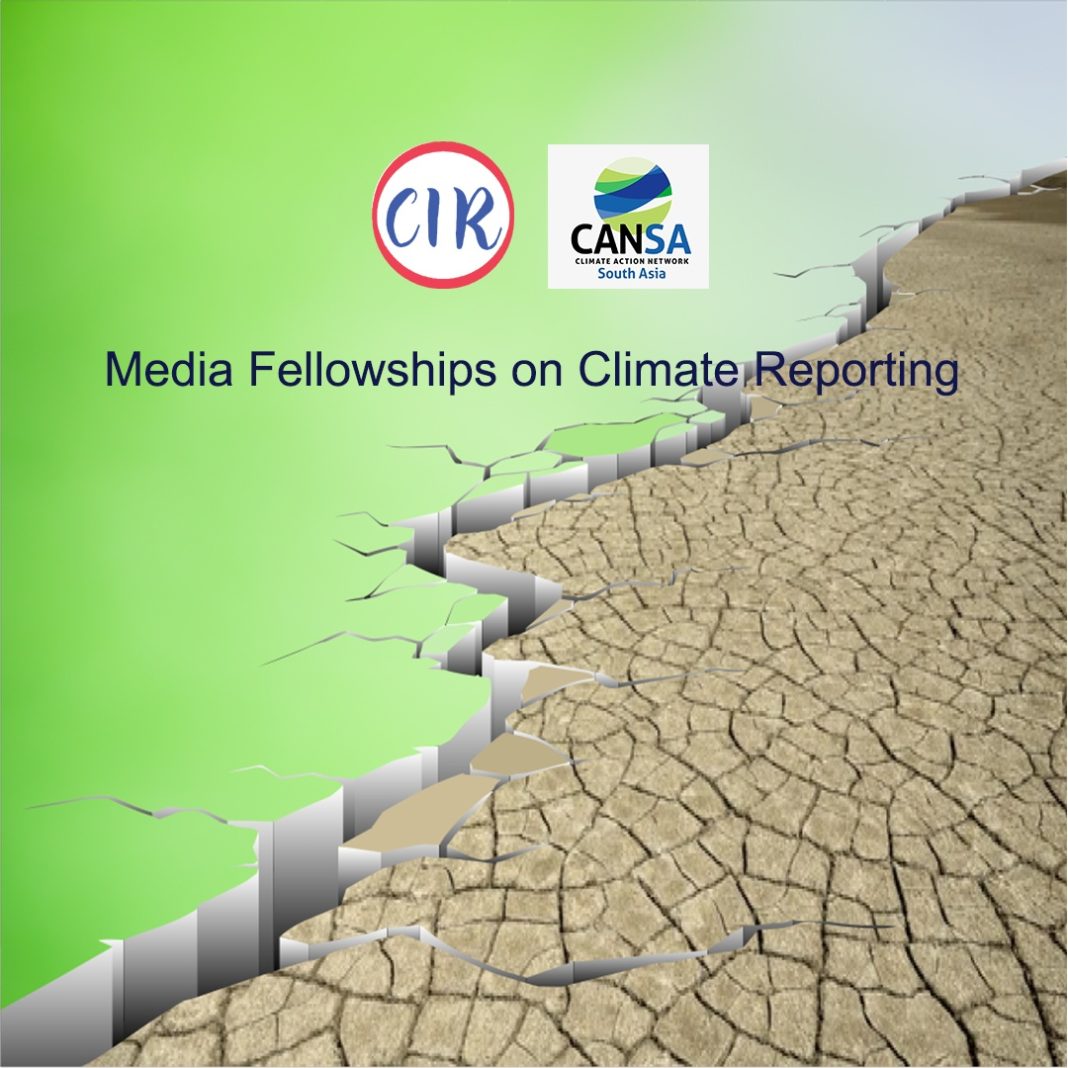

Colombo, Sri Lanka – The Center for Investigative Reporting (CIR), in collaboration with Climate Action Network South Asia (CANSA), is calling for applications from journalists with experience in climate change/ environment reporting for a media fellowship program. The fellowship aims to support the production of in-depth stories on non-economic loss and damage (NELD) resulting from environmental disasters.
The fellowship program seeks to highlight the less-discussed impacts of climate change, such as cultural loss, health impacts, and the loss of biodiversity. Selected fellows will be tasked with producing two detailed reports over a four-month period, focusing on the non-economic repercussions of both extreme weather events and slow-onset environmental changes in Sri Lanka.
Areas of focus include non-economic losses related to extreme weather events such as storms, floods, and heatwaves, as well as slow-onset changes like sea-level rise, biodiversity loss, and desertification. NELD, unlike economic damage to infrastructure or crops, addresses harm to human health, cultural heritage, local knowledge, and ecosystems.
The increasing frequency of extreme weather events and slow-onset climate changes in Sri Lanka makes this fellowship timely. With NELD now recognized in key international agreements such as the Paris Agreement and the Warsaw International Mechanism, there is a growing need to raise public awareness and influence policy around these crucial yet often overlooked consequences of climate change.
The selection process for the fellowship will be merit-based, with chosen candidates working independently under the guidance of a senior mentor. Complete applications should include a minimum of five high quality published/broadcast previous work samples. Deadline for applications: 7 October 2024 at 6 00 pm.
Selected fellows are required to attend an orientation session in mid-October 2024.
Through this fellowship, CIR and CANSA aim to shed light on the non-economic impacts of environmental disasters, urging policy reform and collective action to address the multifaceted consequences of climate change.
Application Form – https://forms.gle/U56XBFLLGTxCzDU49