Sri Lanka’s debate on women’s political representation has long revolved around quotas, party gatekeeping and media bias. Those battles are far from over. Yet, an even more consequential threat is gathering force. One that could shape not just who contests elections, but who wins them.
As the country looks ahead to future Provincial Council Polls and the pivotal General Election cycle expected in 2029, the conjunction of gendered hate and technologically amplified political disinformation poses a serious risk to democratic integrity. The danger is not abstract. It is accelerating.
For years, women in politics have endured reputational attacks grounded in misogyny. They are scrutinised for their morality rather than their manifestos or the capacity perform. Rumours about personal lives travel faster than policy speeches or a solid track record. Online abuse is routine. But the shift from crude trolling to AI-enhanced manipulation marks a turning point.
Digital hatred does not operate in isolation. It feeds on political polarisation and is boosted by algorithms designed to reward engagement. In highly contested electoral environments, falsehood travels not because it is credible, but because it is provocative and often click-baity.
When that falsehood is gendered, it becomes even more potent.
According to global warnings issued by the United Nations, digital technologies are increasingly used to harass and abuse women and girls. Generative AI tools now allow the creation of convincing deepfake images and videos. On platforms such as X, owned by Elon Musk, synthetic sexualised imagery has already targeted women without their consent.
In Sri Lanka’s socio-cultural context, where honour, family reputation and social respectability remain powerful determinants of ‘electability’, particularly for women, the weaponisation of fabricated intimate content can be politically fatal. A male politician accused of corruption may deny, litigate or outmanoeuvre. A woman targeted with a deepfake of a sexual nature faces a different terrain — one where the stigma itself can eclipse the truth and cost her the opportunity to get elected. The burden of proof shifts unfairly onto the victim. Legal redress is slow. Social media outrage is rapid and instant, proving the proverb “a lie can travel halfway around the world before the truth can get its boots on.”
The mechanics are chillingly simple. An AI-generated video appears days before polling. It is shared across Facebook groups, WhatsApp chains and partisan pages. Outrage fuels visibility. Screenshots circulate even after the original post is removed. By the time fact-checkers intervene, the narrative has embedded itself in public consciousness.
Even if debunked, the damage lingers. Voters may not fully believe the content, but doubt alone can be decisive in a tight race.
This is where hate and electoral disinformation interconnect most dangerously. Gendered hostility provides the emotional fuel; political actors or opportunists supply the disinformation; digital platforms supply the velocity.
Digital rights advocate, Dr. Sanjana Hattotuwa, recently warned that the scale and sophistication of deepfake production has grown exponentially between 2023 and 2025, with generational leaps in realism. The trajectory suggests that by 2029, distinguishing between authentic and synthetic political communication may become increasingly difficult for ordinary voters.
Elections amplify vulnerability, particularly of those who are systematically marginalised. Campaign periods compress time, heighten emotion and increase online traffic. In such environments, the ability to respond swiftly is critical. Yet Sri Lanka’s institutional architecture is not currently designed for real-time digital crisis management.
The Election Commission has made strides in overseeing campaign finance, nominations and traditional media regulations. However, it was never structured to monitor AI-driven disinformation campaigns operating across global platforms in multiple languages. Election observers, too, are trained primarily to assess physical polling stations, ballot processes and overt violations and not algorithmic manipulation or coordinated digital smear operations.
The gap is not merely technical; it is strategic.
Rapid-response digital forensic teams, platform liaison mechanisms and clear protocols for emergency takedowns during election periods remain underdeveloped. There is limited publicly visible capacity to identify deepfakes at scale, attribute coordinated campaigns or issue authoritative, trusted debunking within hours rather than days.
This institutional lag matters. Disinformation thrives in the window between publication and correction. The longer that window, the greater the amplification.
In future Provincial Council and General Elections, this delay could have a distinctly gendered impact. Women candidates, already fewer in number, may become targets for experimentation with synthetic attacks. Political actors seeking to tilt a race may calculate that targeting a female opponent with a reputational deepfake carries high impact and low immediate risk of accountability.
The consequences are layered.
First, there is personal harm. Beyond reputational damage, women subjected to sexualised deepfakes often experience severe psychological distress, threats of physical violence and harassment extending to family members. The digital attack bleeds into the physical world.
Second, there is electoral harm. A single viral fabrication can impact voter turnout among a candidate’s supporters, sway undecided voters or justify party leadership sidelining her ‘for the sake of stability.’
Third, there is systemic harm. As stories of such attacks spread, capable women observing from the sidelines may reconsider entering politics altogether. The chilling effect compounds existing financial and structural barriers. The quota may ensure nominations, but it cannot compel genuine participation if the personal cost becomes intolerable. Women’s engagement in politics will nosedive, and they can be invisibilised, voices silenced.
Moreover, persistent institutional inability to counter digital manipulation in real time risks normalising electoral misinformation. If voters repeatedly encounter sensational claims that are later disproven, but never fully erased, they may adopt a posture of cynical disengagement. In that climate, truth competes on equal footing with fabrication.
This erosion of epistemic trust threatens democracy itself. Elections depend on shared confidence that choices are informed by authentic information. When voters suspect that any video could be synthetic and any denial could be strategic, the informational ground shifts.
For women, whose legitimacy in politics is still contested in subtle and overt ways, this instability magnifies pre-existing prejudice. Doubt attaches more easily. Redemption is harder.
Addressing this looming crisis requires more than rhetorical concern.
Sri Lanka must invest urgently in digital monitoring capacities within election management bodies. That includes specialised technical units capable of identifying synthetic media, partnerships with independent cybersecurity researchers, and direct escalation channels with major technology companies during election periods.
Clear legal provisions criminalising malicious AI-generated electoral disinformation, particularly gendered content intended to intimidate or suppress candidates, must be accompanied by expedited judicial pathways during campaigns.
Election observers must expand their frameworks to include digital ecosystems. Monitoring online narratives, coordinated harassment, and platform responsiveness should become as routine as observing polling stations.
Political parties, too, bear strong responsibility. They must adopt internal codes rejecting the use of synthetic smear tactics and provide digital security support to their women candidates.
Ultimately, however, technology exposes societal fault lines rather than creating them. If misogyny remains politically expedient, digital tools will continue to weaponise it.
The next electoral cycles will test not only party strength and policy platforms, but the country’s capacity to defend truth in an age of artificial fabrication. If institutions remain reactive rather than anticipatory, electoral misinformation may escalate to levels that disproportionately sideline women from public life.
The question is no longer whether AI-driven disinformation will shape elections. It is whether Sri Lanka will allow it to become a gendered instrument of exclusion.
If the answer is complacency, the cost will not simply be a handful of lost seats. It will be a quieter Parliament, a narrower policy debate and a democracy diminished by the silencing of women before they ever reach the ballot box.
This Op-Ed was produced under the CIR– FACTUM Media Fellowship Program and was originally published in Ceylon Today on 21 February 2026.
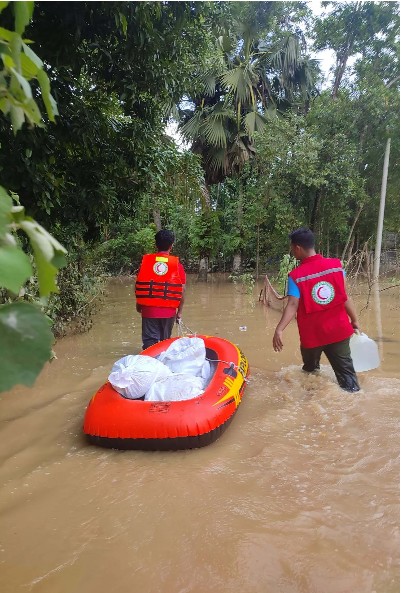
In 2025, South Asia experienced devastating climate-induced disasters that displaced millions. This loss of homes, livelihoods, and a lack of sense of safety has left many questioning the climate preparedness of these countries.
Reporters: Rukshana Rizwie/Asian Dispatch and Usama Irfan/Earthwise Editor: Kritika Goel Story Producer: Anoushka Dalmia
Additional Reporting by Abdullah Soad/AsianDispatch
February 9, 2026
Video for representative purpose. Credit: Vecteezy/ Asian Dispatch
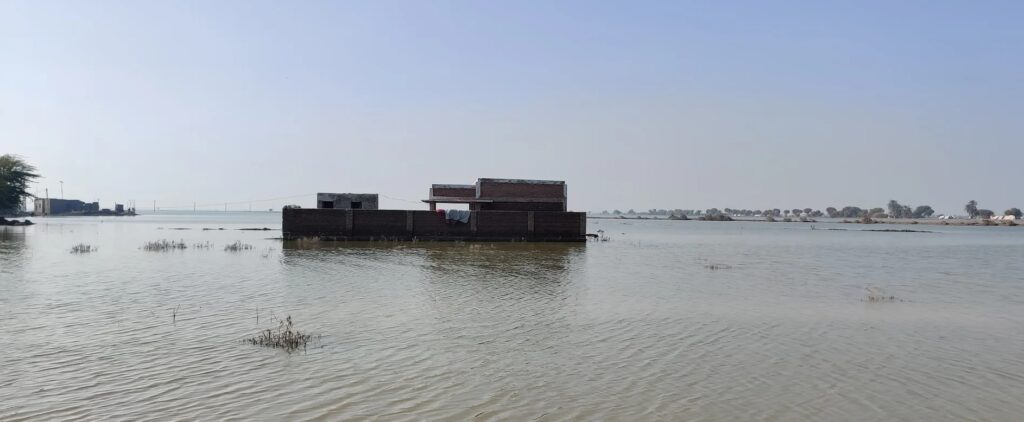
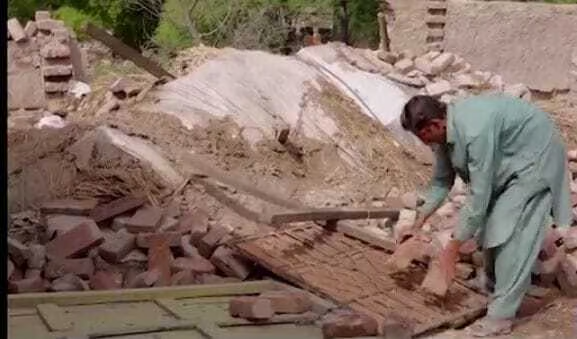
“We had no idea that the river would destroy everything we owned. We were never afraid of [the] floods,” 50-year-old Shehnaz Fatima said, recalling the devastating floods of August 2025 that caused widespread destruction in Pakistan’s Hafizabad district and upended their lives.
Describing their house in the Bhoon Fazil village, that once stood half a kilometre away from the river, Fatima said, “Everything was destroyed in front of us. We watched helplessly and cried…Our house was like a fort and now only its remains are left. Even today, people go there and see the rubble of our home. It was so big that the family of four brothers lived in it.”
Within three days, the house that had sheltered four families for 14 years was gone.
Video provided by Shehnaz Fatima/ Asian Dispatch
The grief settled even deeper when Fatima’s four-year-old grandson asked his grandfather, “Where is my dera [a community gathering place near the house]?” and he was told that the river had taken it away.
A family that once lived a life of prosperity, is now waiting for government compensation to return to their village and rebuild their life. “We are living in someone else’s house and don’t know where our next meal will come from.”
Fatima’s story is not an isolated one. According to the United Nations Office for the Coordination of Humanitarian Affairs (UNOCHA) nearly 4.7 million people were affected by the 2025 floods in Pakistan’s Punjab, one of the worst-hit areas with 322 reported deaths and 665 injuries. Over 2,13,000 houses were either damaged or destroyed, pushing 1,18,000 into relief camps.
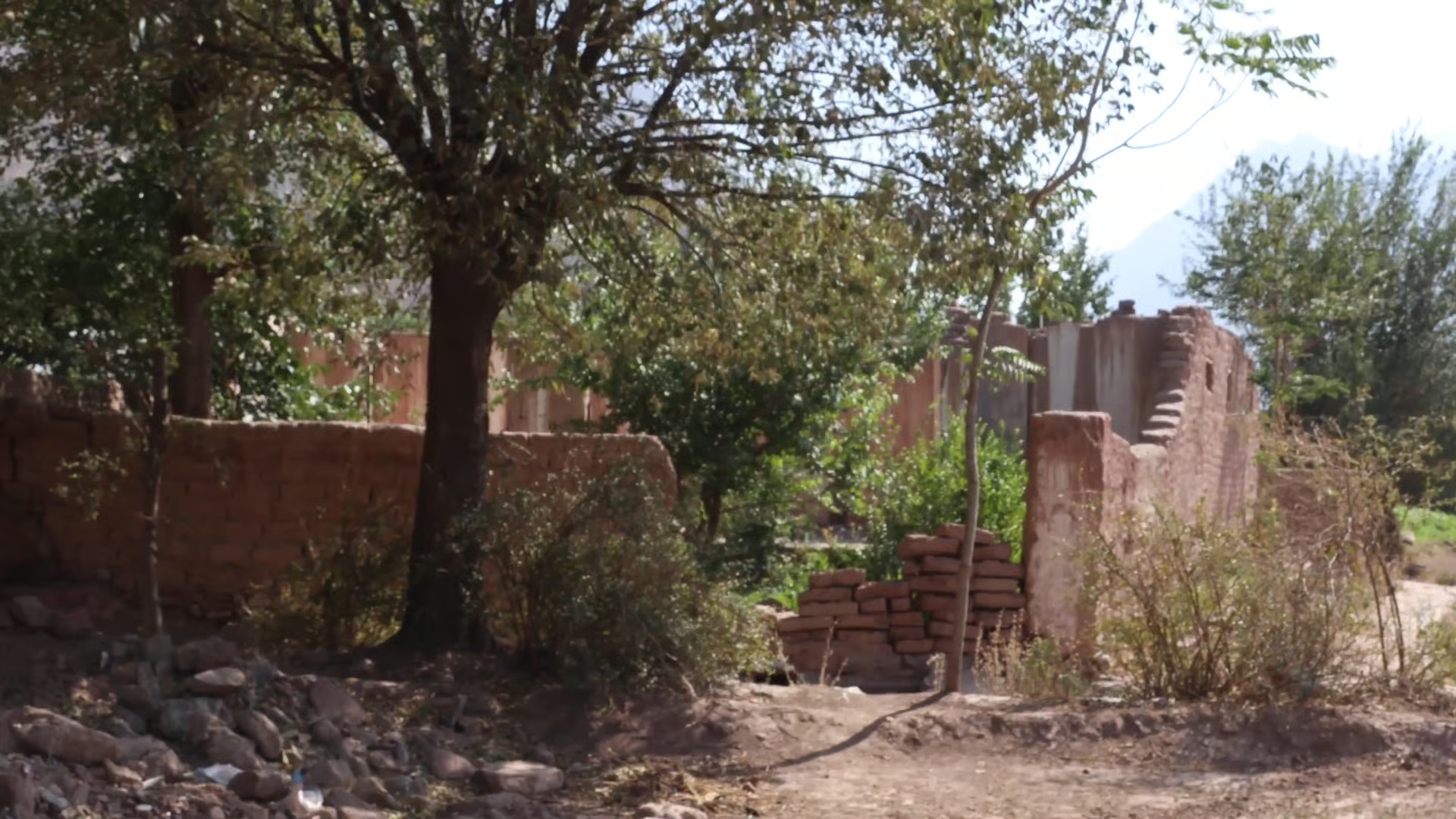
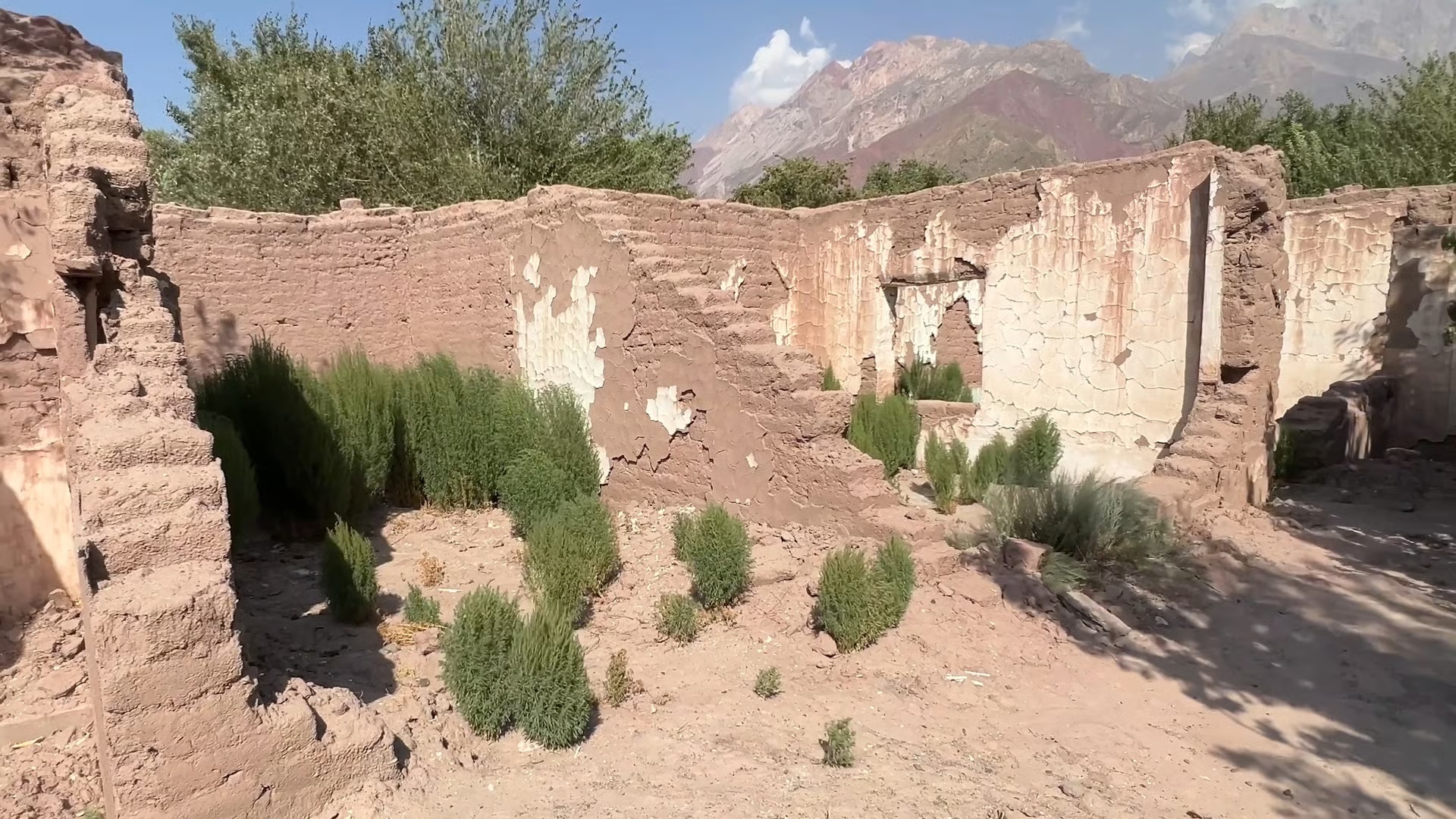
Abandoned houses near the bank of the Chitral River in Pakistan. Credit: InOldNews | Wasim Sajjad/ Asian Dispatch
This pattern is not just specific to Pakistan.
In 2025, South Asia experienced devastating climate-induced disasters that displaced millions. This loss of homes, livelihoods, and a lack of sense of safety has left many asking not only how the disaster happened, but also if these countries were prepared to protect those who were the most at risk.
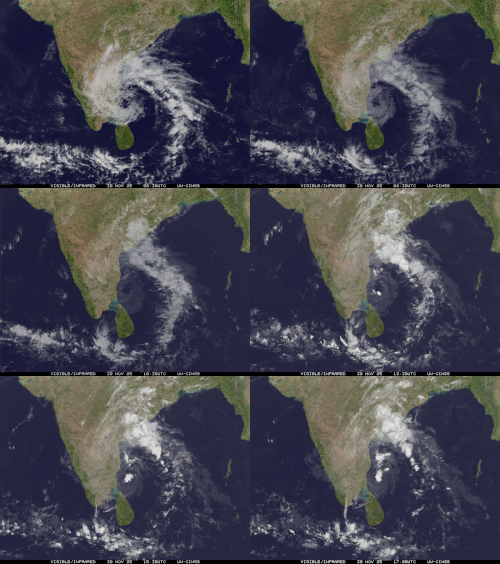
Loop of visible infrared satellite loop of indian tropical depression Ditwah via Wikimedia Commons
Same Pattern Across South Asia
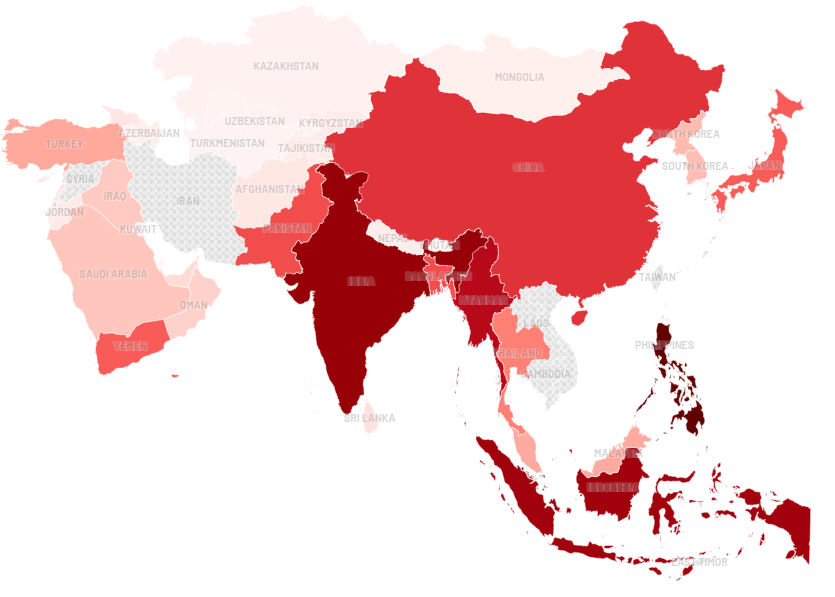
South Asia, home to nearly two billion people, is one of the most vulnerable regions to the impacts of climate change—floods, droughts, heatwaves, and cyclones. Nearly 750 million people in these eight countries have been affected by climate-induced disasters, according to the data compiled by the World Bank.
The economic losses in the region due to climate change are estimated to be to the tune of $160 billion annually by 2030.
The mountainous regions of Afghanistan, Nepal, and Bhutan are facing extreme temperatures and droughts, while the coastal states of Bangladesh, India, and Sri Lanka are facing rising sea levels, floods, and cyclones.
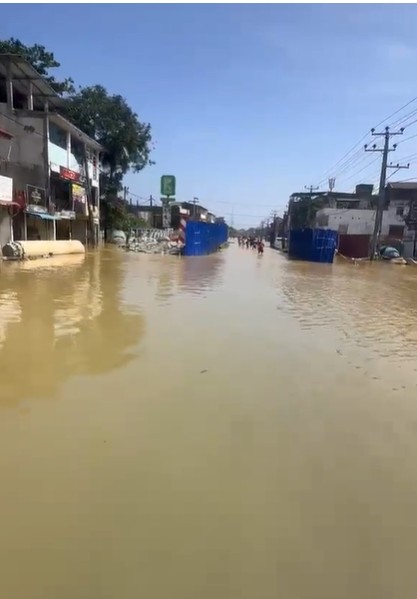
Cyclone Ditwah struck Sri Lanka in late November 2025 and caused damages equivalent to four percent of the country’s GDP. The cyclone was the most intense in the history of Sri Lanka and it affected close to two million people, as per the Global Facility for Disaster Reduction and Recovery(GFDRR).
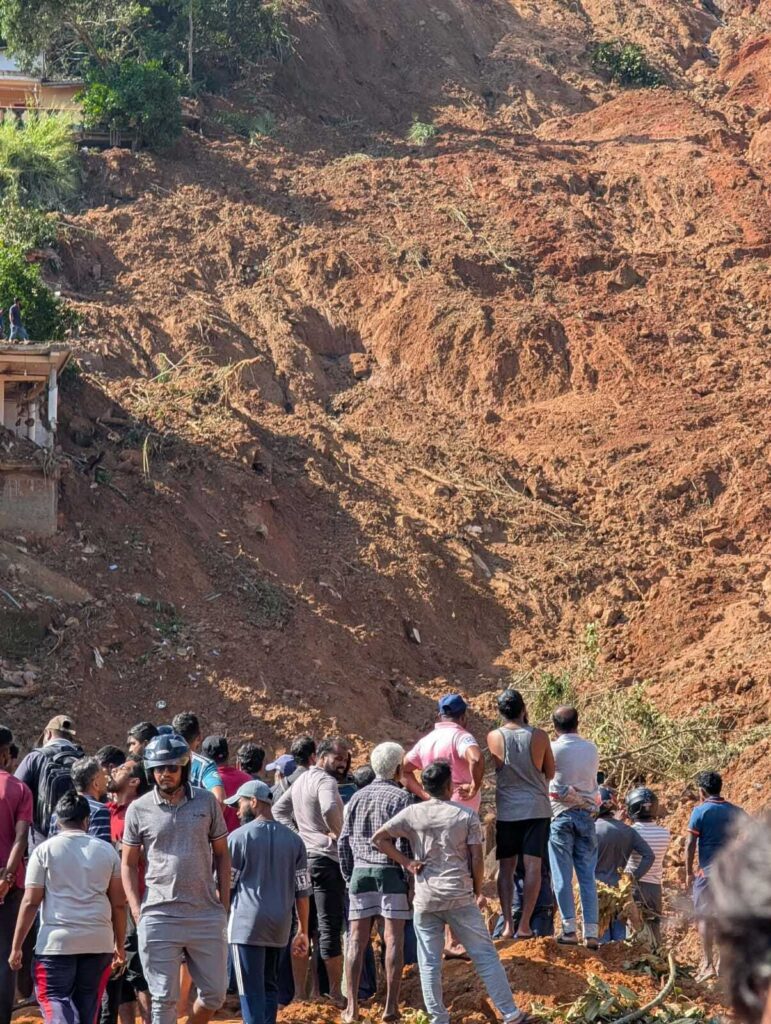
(Left) One of many flooded streets in Sri Lanka during Cyclone Ditwah. Video: Muflih Muhamed (Right) In Sri Lanka, the Kandy region where Alawathugoda is located has recorded 88 deaths – the highest in the South Asian country – with 150 people still missing. More than 20,000 people have been moved to 176 shelters set up to house them. Photo: Akila Uyanwatta
The largest share of damage, an estimated $1.735 billion, was done to roads, bridges, railways, and water supply networks.
India, too, experienced extreme weather events in 2025. According to an analysis by a think tank Centre for Science and Environment (CSE) and Down To Earth, of the 334 days in the first eleven months of the year, 331 days recorded extreme events ranging from heatwaves to floods, landslides, and cyclones.
Representative Video from Pexels
Speaking to Asian Dispatch, Dharma Raj Uprety, Head of Programme for Climate and Resilience, Practical Action South Asia said, “The main issue that we see right now [in South Asia] is the rising temperature because that is messing with the weather patterns and causing long-term changes and a lot of climatic disasters.”
Pointing to the shifting hydro-climatic pattern across the region, Uprety said, “Rainfall patterns are definitely shifting. Monsoon onset and exit have been changing in recent years, particularly over the last ten years.” He added that the intensity, frequency, and severity of rainfall events are increasing across South Asia.
Moderate cyclones and monsoon systems that were once considered manageable are now producing extreme downpours over hours rather than days, experts say.
So, can just climate change be blamed for these disasters or is there a question on the preparedness of these countries as well?
Extreme weather events impacted Bangladesh in 2025, with heatwaves triggering a severe health crisis. Reports suggest that heatwaves in Bangladesh have become 45 times more likely due to climate change.
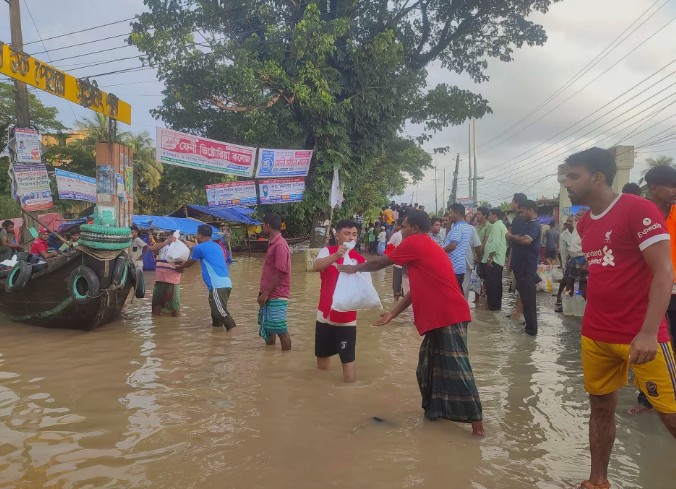
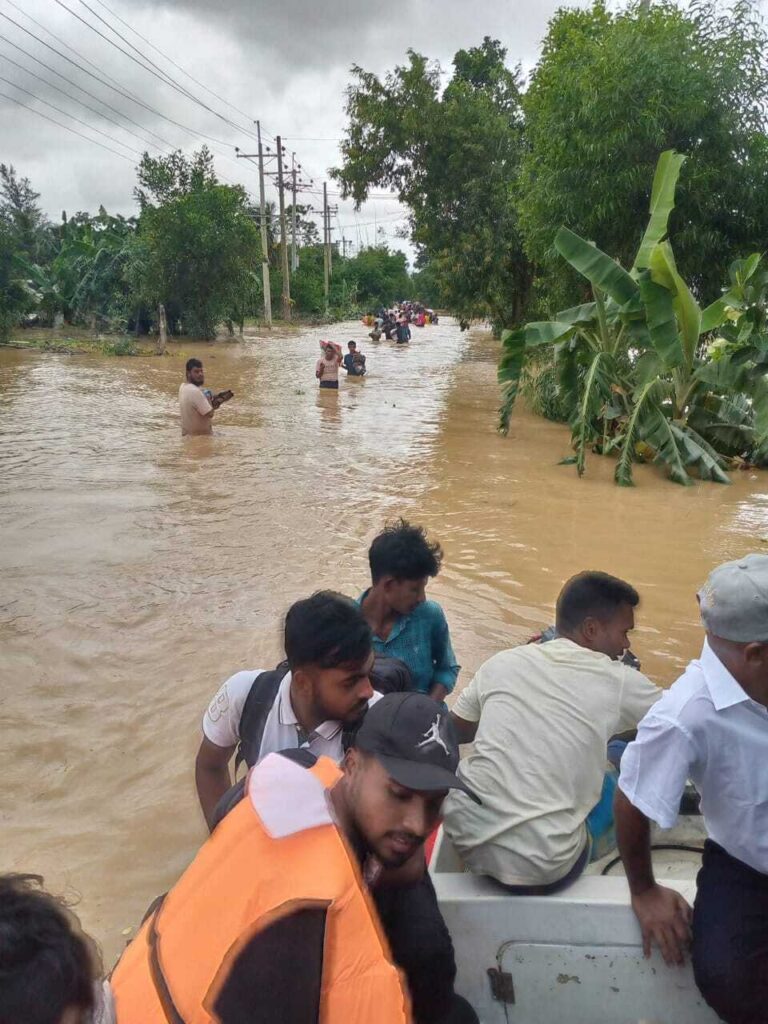
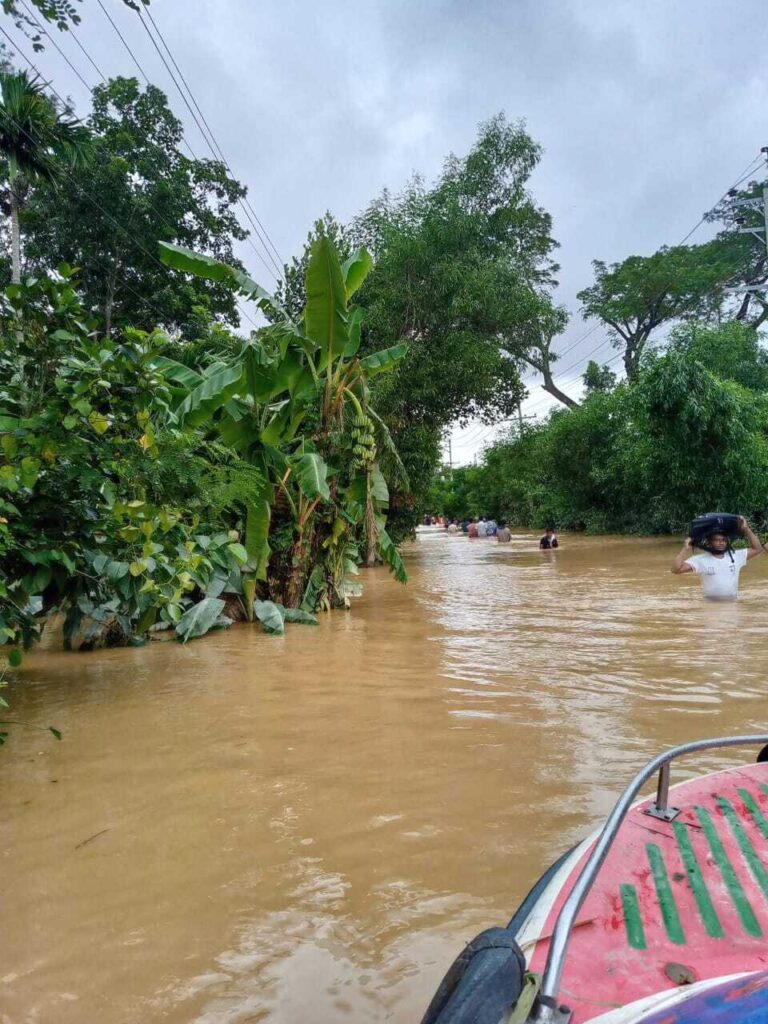
In August 2024, the country also saw heavy rainfall which caused massive flooding across 11 districts in the country. These floods affected more than five million people, leaving 71 people dead and over half a million displaced. Feni in Southeast Bangladesh, was one of the worst affected areas.
Umme Aiman Labonno, a 20-year-old college student, remembers the time between August 19 and August 23 as the most “horrific period”.
“I had never imagined that water could be this terrifying,” she said, adding, “When the flood began, my elder sister was at our village home with my aunt. The rest of the family was at our house in Feni town. Later, as the floodwater kept rising, my younger brother set out to bring my sister back. But by then the water had risen so much that he could not return home.”
Flooding on the streets of Feni, Bangladesh in August, 2024. Photo and Video: Asif Iqbal Ayon, a former volunteer of the Bangladesh Red Crescent Society, Feni District Unit.
With electricity gone and the mobile network barely functioning, uncertainty became as devastating as the flood itself.
For three days Labonno and her family had no information about her siblings and relatives. She recalls how rumours about dead bodies floating in the village started spreading, adding to their misery.
Her mother set out wading through floodwater searching for news or a speed boat, despite her father being ill at the time. Even her uncle attempted to reach the village on foot, but to no avail. Relief came only when they learned the family had been evacuated by boat late at night.
The floods in Feni district of Bangladesh in August, 2024. Photos: Jahid Hossain Rafi/ Asian Dispatch
Speaking to Asian Dispatch, Dharma Raj Uprety, Head of Programme for Climate and Resilience, Practical Action South Asia said, “The main issue that we see right now [in South Asia] is the rising temperature because that is messing with the weather patterns and causing long-term changes and a lot of climatic disasters.”
Pointing to the shifting hydro-climatic pattern across the region, Uprety said, “Rainfall patterns are definitely shifting. Monsoon onset and exit have been changing in recent years, particularly over the last ten years.” He added that the intensity, frequency, and severity of rainfall events are increasing across South Asia.
Moderate cyclones and monsoon systems that were once considered manageable are now producing extreme downpours over hours rather than days, experts say.
So, can just climate change be blamed for these disasters or is there a question on the preparedness of these countries as well?
Photo: Usama Irfan/Earthwise
Where is it Going Wrong?
Countries in South Asia have developed multi-pronged strategies to mitigate the impact of disasters, but the region has been one of the worst impacted. With rapid urbanisation, rising economic inequality, and inadequate infrastructure, climate change is exposing vulnerable groups to high degrees of risks.
Experts say while policies such as early warning systems and disaster management frameworks are in place, climate mitigation and preparedness doesn’t seem to be a priority for most governments.
Ammara Aslam of the Policy Research Institute for Equitable Development (PRIED) describes Pakistan’s approach as reactive. Alluding to the 2022 floods that impacted nearly 33 million people in the country, Aslam said, “They were not prepared for the 2022 floods. They committed in the NDC’s (Nationally Determined Contributions) that they will go towards early warning systems, but we saw no implementation.”
NDC is Pakistan’s plan to tackle climate change as a part of its obligation under the United Nations Framework Convention on Climate Change (UNFCCC) and its Paris Agreement.
Aslam said that the coordination between departments remains fragmented. “There is a huge divide between the provincial and the federal level policies. The NDCs are made at the federal level, but the provinces are the ones who have to implement them.” She also pointed out that in cases where the government does give early warnings, people resist evacuations due to the fear of losing their lives and livelihoods.
In 2025, Pakistan’s Multan district’s Basti Ghaus Bakhsh village was severely impacted by floods. Baqir Hussain Shafi, a daily labourer, sold his house and stayed in a relief camp for nearly 19 days. He told us while the government gave early warnings, people didn’t pay heed to the instructions.
Photo: Baqir Hussain Shafi/ Asian Dispatch
“The people here are used to floods. They would say, ‘Floods happen every year. It comes and goes. It’s not a big problem. It will pass. We won’t leave our homes, or our belongings will be stolen.’ That’s why when the government issued the warning, people were not convinced,” he said.
Dr. Basant Adhikari, director, Centre for Disaster Studies, Tribhuvan University, Nepal, also highlighted the relocation challenge and said it’s a politically sensitive issue as livelihoods are tied to it.
Climate experts in Nepal say that the vulnerability in the region is increasing faster than the government’s ability to respond.
Nepal’s disaster management plan focuses on decentralisation and cooperation between different levels of the government. The National Disaster Risk Reduction Strategic Action Plan 2015-2030 focuses on disaster risk mitigation and the Disaster Risk Reduction and Management Act 2017 gives greater power to the National Disaster Risk Reduction and Management Authority. But this faces numerous bureaucratic challenges and financial constraints.
Uprety highlighted that while Nepal is one of the pioneer countries in terms of policy and strategic planning as per the Paris Agreement, it’s the implementation that is poor. “From a policy perspective, strategies are there. But implementation requires huge investment and that is very poor,” he said.
In India, the Disaster Management Act, 2005 lays the legal and institutional framework for management of disasters. The central government’s initiatives focus on strengthening local disaster management capacity and early warning systems (EWS). The Indian Meteorological Department (IMD) has made strides in improving projections, especially for cyclones and rainfall but the system lags behind with flash floods and heatwaves.
Mrityunjay Mohapatra, director-general, IMD told The Hindu, “Significant challenges persist in forecasting thunderstorms, lightning, and extreme rainfall events, which continue to cause substantial loss of life and property.”
The coverage of the early warning systems is also highly uneven. According to an analysis by CEEW, a think tank in India, nearly 66 percent of individuals in India are exposed to extreme flood events, but only 33 percent are covered by flood EWS.
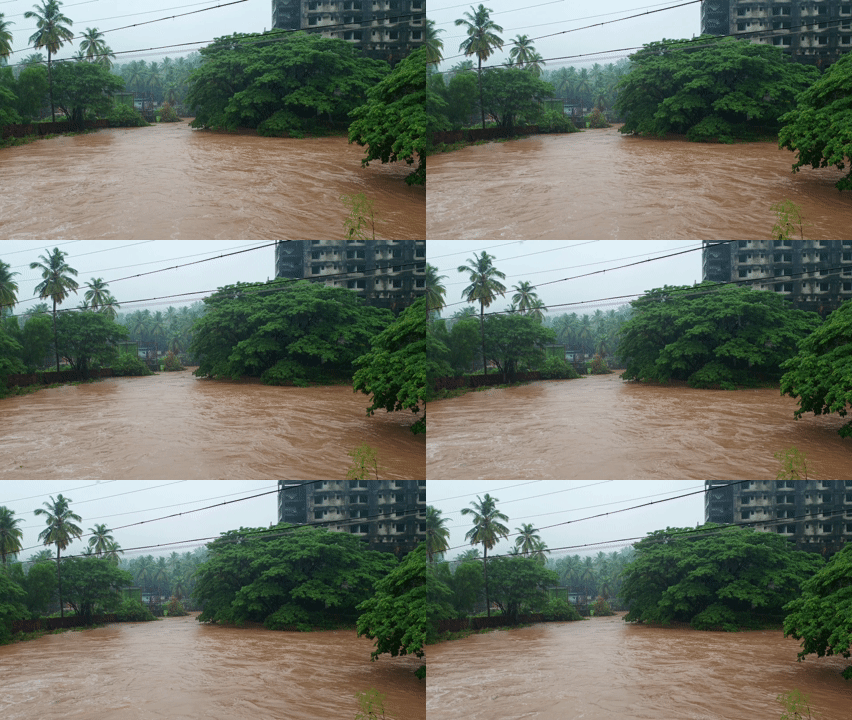
Sudden rain and flooding in Kerala, India, in 2024. Video: InOldNews | Jeff Joseph
Mohapatra told the daily that improving EWS required substantial financial, technical, and human resource commitment. He added that while the country has made significant investments, it needs technical infrastructure, which includes weather stations, real-time sensors, and AI-driven systems to achieve location specific EWS.
Across South Asia, experts describe a common pattern—while forecasts and early warning systems are getting better, implementation and the spread of these systems remain uneven.
“This is less a failure of forecasting than a failure of translation,” said Dr. Akshay Deoras, research scientist, National Centre for Atmospheric Science, University of Reading. “The science often sees the danger coming but the signal weakens before it reaches the ground.”
A paper published in SPRF India, a New Delhi based think tank, also highlights that “translating predictions into timely action that saves lives, reduces displacement, limits economic losses, and boosts post-disaster recovery remains the true challenge.”
The Way Forward
Building resilience to reduce the vulnerability is one of the key recommendations of climate experts.
The SPRF study, which focuses on India, recommends “investing in flood-control infrastructure, improving river-basin management, preventing settlements in high-risk floodplains, and expanding and maintaining urban drainage systems”.
Another study published by CEEW in 2025 referred to India’s Coalition of Disaster Resilient Infrastructure (CDRI) and Nepal’s Sagarmatha Sambaad and recommended building partnerships that can help achieve national and regional goals. The study notes, “These alliances can foster greater speed, scale, and solidarity, ensuring that regional efforts have real impact and global relevance.”
Uprety also suggested improving collaboration and creating communication strategies that are people-centric. “We need to explore collaboration, co-creation, working together, and strengthening community and people-centric early warning systems so that people understand what is coming, when it is coming, and at what time it is coming,” he said.
Experts recommended leveraging technology and relying on datasets to make decisions. The CEEW study notes, “Bridging the digital divide through a Climate Smart Governance Dashboard that can break institutional silos and enable integrated, data-driven regional decision-making.”
Finally, the two big gaps that experts recommend need to be closed relate to creating accessible financing options and reducing the financial burden on vulnerable groups by providing insurance support and not just post disaster relief.
This story was produced by Asian Dispatch and was originally published on 9 February 2026. It has been republished by The Center for Investigative Reporting with permission.
Across the world, elections are no longer fought only on streets, stages, and television studios as in the past. They unfold on social media platforms such as Facebook, YouTube, TikTok, and X, that operate outside national borders but command significant influence and, at times, are even capable of altering electoral outcomes.
These platforms are governed by community guidelines set out for global audiences and enforced through systems that struggle to grasp local politics, languages, and laws. This mismatch between global platforms and national democratic processes has become a serious global challenge and become extremely pronounced during election times.
In countries such as Sri Lanka, where digital platforms play an increasingly influential role in political communication and shaping public perceptions – but with debilitating limitations on the regulatory capacity – the question is no longer about social media’s profound influence on local elections, but whether they could be held accountable in ways that protect the electoral integrity without narrowing political expression which often enables online censorship. Experiences from Sri Lanka, India and Bangladesh indicate shortcomings in the existing mechanisms.
Global platforms with local stakes
Social media platforms have, from time to time, introduced election integrity-related policies to deal with voter suppression, coordinated and inauthentic behaviour, deceptive political advertising, and incitement. Even though these rules apply with uniformity in theory, their application, in practice, is different across the regions.
Election-related disinformation has taken multiple forms across recent election cycles in Sri Lanka. These include false claims about voting procedures, smear campaigns, ethnic or religious narratives, and coordinated networks that amplify partisan content during legally mandated silence periods. These activities mostly occur in local languages through pages, groups, and meme networks that do not formally register as political advertisers and therefore fall outside the relevant transparency tools, the experts say.
Silencing women online
During the 2025 Parliamentary Elections, a number of female candidates were subjected to coordinated online attacks that crossed the line from political criticism into intimidation, sexualised falsehoods, and public shaming. Much of the content circulating on social media appeared designed to humiliate and discredit female candidates rather than engage with their views or public work. Videos, images, and posts spread widely across platforms, treating misogyny as a form of political spectacle. In several instances, misleading or fabricated claims remained online even after complaints were made to the authorities, allowing the abuse to continue unchecked.
“Social media platforms responded with standard messages and closed the reports. No explanation, no contact person. In the end, I changed my privacy settings and limited my online presence. The abuse stopped, but there was no sense that anyone had been held accountable for what happened,” said a Local Government Election candidate who was subjected to harassment on social media platforms, Himali Balasooriya, while speaking to The Daily Morning.
These case studies show how digital platforms amplify harassment and disinformation in ways that directly undermine fair competition and subject candidates to technology-facilitated gender-based violence. When such content spreads unchecked, it shapes voter perceptions long before any correction.
Different behaviour in larger markets?
A social media researcher, speaking to The Daily Morning on the condition of anonymity, claimed that platform behaviour shifts noticeably in larger markets and especially in the Global North, where commercial and political stakes are higher. In India, which represents one of the largest user bases for companies such as Meta, he said that platforms engage more actively with state authorities, civil society actors, and election bodies. “This is not solely the result of stronger regulation but also of the market size. In the US and parts of Europe too, platforms have demonstrated a readiness to rapidly remove or suppress content when it aligns with state interests or heightened political sensitivities. The recent large-scale removal and de-prioritisation of content related to Gaza across major platforms has reflected how decisively companies can act when the pressure is sufficient and comes from countries with wealth and influence.”
A constrained EC
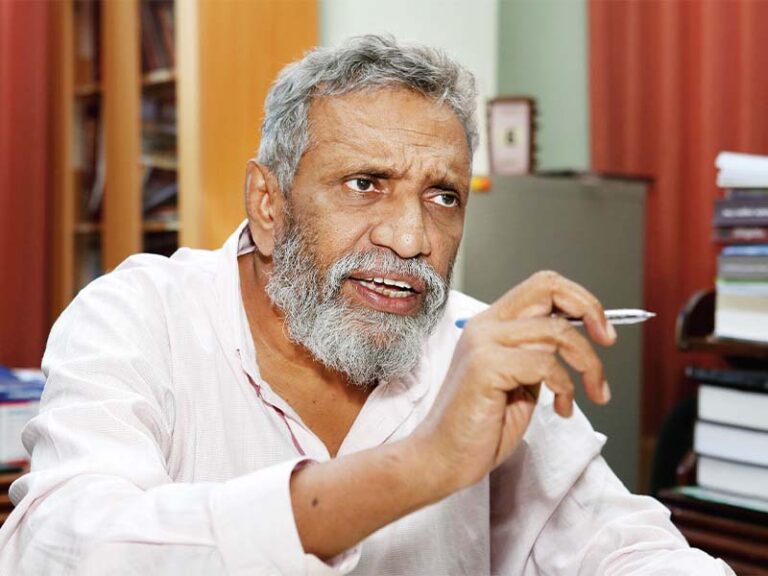
For their part, the National Election Commission (EC) has repeatedly raised concerns over the speed and consistency of platform responses during election periods. EC Chairperson, R.M.A.L. Rathnayake, speaking to The Daily Morning, said that social media companies are often slow to act on content flagged as harmful to the electoral process. In some cases, he said, they reject the reasons provided, and in others, no response is received until after the polling has ended, by which point remedial action has little to no value. “We rely on civil society groups to identify problematic content and to channel complaints to the relevant platforms and their representatives. Even when a lot of posts are flagged, only a small number may be taken down. During an election, we are the legally mandated authority to decide what constitutes interference with the electoral process. We do it within the relevant legal frameworks, and our determinations should be accepted by the platforms. However, it is not reflected in how moderation-related decisions are made,” he said.
The ability of the election authorities to hold social media platforms to account also depends on the resources available to them. In countries where election bodies have an adequate financial and institutional capacity, they can engage directly with the platform representatives, travel for meetings, deploy technical teams, and follow up more effectively. Explaining the situation in Sri Lanka, Rathnayake said: “We don’t have the financial provisions or logistical capacity to engage with these companies to the optimum. We have to depend on external organisations and civil society groups to communicate with platforms.” Rathnayake added that plans are underway to engage directly with platform representatives through meetings facilitated by partner organisations, including a proposed visit by EC officials to Singapore. He said that they aim to discuss faster escalation pathways and clearer lines of responsibility during the planned meetings.
Disinformation and the “dark” campaign economy
Research into Sri Lanka’s 2024 Elections by digital rights analyst, Dr. Sanjana Hattotuwa shows accountability problems that extend beyond delayed takedowns of misleading or harmful content. Speaking to The Daily Morning, he described what he terms as a “dark campaign finance ecosystem” operating across social media platforms. In this system, he said that political actors bypass formal advertising channels and spending limits by paying cash directly to administrators of popular meme pages, gossip networks, and hyper-partisan accounts. He explained how these influence-related operations rarely resemble conventional political advertising: “They circulate as seemingly organic content, blend humour with insinuation, and rely on coordinated amplification rather than paid reach. As a result, platform ad libraries and transparency tools fail to capture much of this activity. The withdrawal of a tool used by journalists and researchers to track content spread, CrowdTangle, has further weakened independent oversight.” Dr. Hattotuwa also pointed to evidence of coordinated networks operating during legally mandated silent periods, when campaigning is prohibited, and continuing to circulate content debunked by fact-checking partners. In many cases, he said that warning labels or distribution limits are not applied to such, and added that this exposes a gap between the platforms’ stated trust and safety frameworks as well as the realities of political manipulation within Sri Lanka’s information environment.
Improved but inconsistent accountability
The People’s Action for Free and Fair Elections (PAFFREL), which has monitored elections in Sri Lanka for the past few decades, states that platform accountability has improved at times, but remains inconsistent and driven more by stakeholder pressure than clear obligation. “Platforms have taken action against election misinformation and disinformation mainly when there has been strong pressure from the civil society and other stakeholders. I can’t say that they didn’t cooperate. They did, particularly during the Presidential and Parliamentary Elections. Facebook, TikTok, and X developed working arrangements with election observation groups. There were agreed mechanisms to flag harmful content, and those helped remove harmful content, but, what they did was not sufficient and did not continue,” PAFFREL’s Executive Director, Rohana Hettiarachchi, speaking to The Daily Morning, said. Even though about 80 per cent of the flagged content was taken down during periods of silence, he said that the responses were weaker during the rest of the election period. “Much content stayed online for several days, and some were not taken down at all. At times, they were not willing to prioritise compliance with the country’s election laws. It is true they are international companies, but they still need to comply with a country’s election-related laws. In some countries, they follow those laws more closely than they do here.” He added that the regulation of disinformation through social media is essential as it directly affects how people make decisions that shape the country’s future. “During elections, this has a direct impact on how people vote. Imagine an artificial intelligence generated video of a well-known candidate saying that they have withdrawn from the race or they support another candidate on the morning of Election Day. People will believe it. Even if it is corrected later, the damage is already done.” Hettiarachchi further said: “Social media companies can’t say that they lack resources. They are profit-making businesses. Even during elections, they earn a lot of money through ads. They should be able to predict future trends and take precautionary measures. At the very least, they should accept the observations made by the election authorities when those fall within the national legal framework. They cannot escape responsibility.”
Influencers, informality, and blurred lines
A social media influencer who created political content during a recent election, speaking to The Daily Morning on the condition of anonymity, described how informal payments are used to bypass platform safeguards. “I was approached through private messages and paid in cash. There were no contracts, no disclosures, and no labels saying that it was political content. The idea was to make it look like my personal opinion,” he said. He added that similar arrangements were common across meme pages and short-form video creators, particularly in the final weeks before polling
The impact of online claims is immediate for voters. One voter, speaking to The Daily Morning, recalled encountering repeated posts on social media during the 2019 Presidential Election claiming the Sri Lanka Podujana Peramuna’s candidate, Gotabaya Rajapaksa, held dual citizenship at the time. “This information prompted hesitation and second thoughts about whether to cast a vote for him. Even though the issue was eventually clarified and he had renounced his United States citizenship, the uncertainty lingered long enough to influence how voters like me assessed our choices.”
Inside the fact-checking response
A leading fact-checking platform in Sri Lanka, Fact Crescendo, states that the most common forms of election-related disinformation it encountered during the recent polls were misleading claims aimed at undermining public trust in the electoral process itself. Speaking to The Daily Morning, its Editor, Pavithra Sandamali said that these included false narratives questioning voting and counting procedures, attacks on the credibility of election officials, fabricated quotes attributed to political leaders, and edited or misleading video clips shared out of context. “We also flagged a surge in fake opinion polls and survey results, falsely attributed to both local and internationally recognised bodies, including election monitoring organisations such as the European Union (EU). Much of this content was amplified through coordinated campaigns on platforms such as Facebook, WhatsApp, and TikTok, using emotionally charged messaging around ethnicity, voter suppression, and alleged secret political deals to influence voter perceptions.” “As a third-party fact-checking partner of Meta, Fact Crescendo’s work is limited to Meta-owned platforms, where responses have been relatively effective. Once a fact-check is published, misleading content is labelled, its distribution is reduced, and users are notified with links to verified information. Repeated violations can also affect a page’s reach and monetisation. However, similar enforcement mechanisms are largely absent on other major platforms such as YouTube, X, and TikTok, allowing false narratives to continue circulating even after they have been debunked elsewhere,” she added. She also highlighted several challenges faced by fact-checkers, including limited resources, the sheer volume of misinformation during election periods, and the time required for careful verification using official sources. She said that the need for detailed, evidence-based fact-checks can slow responses at moments when rapid intervention is critical. “This situation is compounded by low public awareness of fact-checking initiatives and recent cuts by global platforms to trust and safety teams, which have weakened content moderation support. To address these issues, there should be expanded third-party fact-checking partnerships across all major platforms, faster election-specific response systems, stronger collaboration with the election authorities, and greater investment in user awareness and media literacy.”
A South Asian conundrum?
Similar concerns were raised by a digital rights researcher based in Bangladesh, Miraj Chowdhury, who claimed that platforms should meaningfully engage with civil society in smaller markets. “In my experience, YouTube does not engage with civil society at all. I have never seen them coming to us to discuss election-related issues. TikTok engages to some extent. Facebook is more transparent and has more policies around elections, but their enforcement remains inadequate. Also, automated systems often fail in local languages such as Sinhala, Tamil, and Bangla. Even where trusted partner networks exist, these organisations are small and lack the resources needed during elections.” Commenting further on platform accountability to The Daily Morning, he added that it also depends heavily on the market size. “Larger markets such as the US receive more attention and stronger responses, even if there are no strict laws. However, even if smaller countries have laws in place, they will not receive an adequate response. Platforms should have more effective responses and they should be in line with local contexts. Strengthening civil society organisations, improving researcher access, and properly resourcing the election authorities are very important to improve platform accountability.”
The risk of overcorrection
Even though calls for the stronger regulation of misinformation and disinformation on social media are growing, related risks should also be taken into account. For instance, the Online Safety Act, No. 09 of 2024 aims to address harmful online content, but has drawn criticism ranging from vague definitions to composition and other fault-lines. Several parties including political parties and civil society groups have warned that such laws may be used to suppress the legitimate rights of the people. The challenge is to avoid replacing platform accountability with state overreach. Electoral integrity depends on trust in platforms as well as regulators. Any framework or mechanism aimed at enhancing accountability should therefore be based on clear standards, due process, and a respect for fundamental rights.
What accountability could look like
When contacted by The Daily Morning, attorney-at-law Thineth Korasagalla, who works on digital safety, cybersecurity, and online harms, said that experiences from other regions show that stronger platform accountability requires practical, election-specific measures rather than broad promises. He said that digital platforms should be required to publish country-level transparency reports during election periods, detailing how much content is flagged, how long removals take, the outcomes of appeals, and how enforcement is carried out across different languages. Without such disclosures, he said that it is difficult to assess how platforms actually respond to election interference on the ground. He further pointed out that meaningful oversight is impossible without access to platform data. The removal of tools such as CrowdTangle, he said, has weakened the ability of researchers and civil society groups to monitor harmful trends and hold platforms accountable. Referring to developments in the EU, Korasagalla said that mandated access for researchers, with proper privacy safeguards, is increasingly recognised as necessary and could be adapted to other countries as well. On political advertising, he said that existing rules fail to address informal and indirect campaigning. Disclosure requirements, he added, should extend beyond paid advertisements to include influencer-driven political content and coordinated networks of pages that operate outside formal ad systems.
The Daily Morning sought comments from social media companies, including Meta platforms and TikTok, via publicly listed electronic-mail addresses, however, no responses were received at the time of publication.
This story was produced under the CIR– FACTUM Media Fellowship Program and was originally published in The Morning on 13 February 2026.
The postponed Provincial Council Elections can be treated as a serious challenge to Sri Lanka’s democratic credentials. The failure to hold Provincial Council Polls for eight years is not only an administrative problem but, has become a clear instance of undermining sovereignty.
On 19 November 2025, President Anura Kumara Dissanayake, during discussions with the Ilankai Tamil Arasu Kachchi (ITAK), pledged to hold the much-delayed elections without further postponement. On 6 January 2026, Chief Government Whip and Minister of Health and Mass Media, Nalinda Jayatissa, proposed in Parliament the appointment of a Parliamentary Select Committee (PSC) to determine the electoral system under which these elections should be held and to make recommendations.
While political parties trade insults and accuse each other of lacking the political will to conduct the polls, there is little focus on the actual reasons behind the postponements. Instead, narratives infused with misinformation are constructed for political gain, seeking to divert public attention, while disregarding the issue of accountability.
Former Election Commissioner Mahinda Deshapriya spoke to Ceylon Today on the myths and facts surrounding PC Poll delays, drawing from his vast experience of Sri Lanka’s electoral system. In this interview, he identified four specific strands of misinformation surrounding the delayed Provincial Council Elections.
Following are excerpts:
Some argue that the Provincial Councils are being well administered by the Governors appointed by the Centre and that there is little value addition in having elected members to the PCs, which have for decades been criticised as a “white elephant.” While this is not in line with the spirit of democracy or the 13th Amendment to the Constitution, some people argue that not holding elections helps save public funds. Others argue that, considering the country’s economic status, PC Polls should not be treated as a priority. How do you respond to these public sentiments that go against the PC system itself?
A: First and foremost, running PCs without elected representatives and only through direct rule by appointed Governors is completely contrary to the fundamental principles of representative democracy.
The main danger here is the absence of accountability to the public. An elected representative must periodically return to the people and can be held accountable for his or her actions, while in office. A Governor is not subject to such accountability. They are answerable to the political authority that appointed them and not to the people of the province they administer.
It is important to note that only about 3% of a PC’s total expenditure goes towards elected representatives. The remaining 97% is allocated for administrative functions and services. The actual burden is not elected representatives but, inefficient bureaucracy.
This bureaucratic form of governance opens the floodgates to inefficiency and wastage of public funds. A prime example is the ultra-modern building constructed for the Western Provincial Council (WPC). Officials there were provided with the latest laptops and iPhones. Some of them have left or retired without returning these devices. Despite the availability of advanced technology, it takes about two months to send a document from one floor to another because officials refuse to use email and insist on hard copies. This is both abusive and inefficient, and the presence of elected representatives can change this.
There is a popular school of thought that the Provincial Councils were forced on Sri Lanka by India and that this has undermined the country’s unitary status and sovereignty itself. In your view, how does the Provincial Council system fit into Sri Lanka’s history of power-sharing?
A: This “shoved down Sri Lanka’s throat” theory is still popular, even after decades. It is among the biggest misconceptions about the PC system. It is a fact that the PCs were introduced as a result of the Indo–Lanka Peace Accord. However, the concept of power-sharing is not alien to Sri Lanka.
Our history shows that there are identifiable periods when the entire country was unified under a single ruler, but such periods were rare. More common was the practice of regional and semi-autonomous governance structures. Historical records show that Sri Lanka was under a continuous and stable unified administration for the longest period during British rule from 1815 to 1948. Pre-colonial governance structures bear evidence that power-sharing was never a foreign concept to the island nation.
Even after independence, power-sharing emerged as the result of a long-evolving domestic political process. Let us consider some key historical milestones:
First, the Bandaranaike–Chelvanayakam Pact (1957): an important early step in power-sharing through regional councils, agreed upon between Prime Minister S.W.R.D. Bandaranaike and ITAK leader S.J.V. Chelvanayakam.
Second, the Dudley Senanayake–Chelvanayakam Pact (1965): building on earlier efforts, the Senanayake administration attempted to establish District Councils.
Third, District Development Councils under J.R. Jayewardene (1981): introduced a limited degree of power-sharing at the district level.
Fourth, the Chandrika Kumaratunga administration’s “Union of Regions” proposal (1995): a set of constitutional proposals advocating extensive devolution, akin to the federal model.
Fifth, the Mahinda Rajapaksa-Ban Ki-moon consensus (2009): following end of the war, President Mahinda Rajapaksa agreed to fully implement the 13th Amendment and to go beyond its provisions in sharing power.
There had been roundtable discussions since President Jayewardene’s time, and the All-Party Representative Committee (APRC) during President Mahinda Rajapaksa’s tenure, under Dr. Tissa Vitharana, was another example of recent efforts to make power-sharing a reality. All these demonstrate that PCs are not an isolated incident but, rather the logical outcome of repeated efforts by Sri Lankan leaders to address the ethnic issue through political solutions founded on power-sharing.
The issue of PC Poll delays is viewed by sections of society as a political decision with a hidden agenda. What are the actual complexities surrounding the delay?
A: It is an extremely complex matter. The terms of the PCs elected in 2012 lapsed in 2017, and the then Government delayed the polls through a subtle strategy.
The strategic use of legislation was the first tactic. A minor Bill relating to women’s representation in Parliament was being debated at the committee stage, but the administration used this opportunity to introduce amendments under that Bill and stealthily change the PC electoral system. The proportional representation (PR) system with preferences was replaced by a Mixed Member Proportional (MMP) system combining both constituency and list components.
Next, with the introduction of the new system, the delimitation of electoral boundaries became mandatory before holding elections, creating a legal basis to postpone PC Polls.
The most critical move was the insertion of a new provision requiring parliamentary approval for the delimitation report — a deliberately constructed legislative trap. Previously, no delimitation report required parliamentary approval. As expected, amid opposition from various quarters, the report was defeated in Parliament.
Once the report was defeated, a legal crisis emerged, making it impossible to hold elections. As Chairman of the Election Commission, I wrote repeatedly to the Speaker of Parliament requesting that the report be debated. The issue dragged on and became a “Gordian Knot”, one that only Parliament, which created it, had the authority to cut.
What are your views on the various stances of political parties on power devolution over time?
A: Some political parties have been consistent only in changing their stance on devolution, depending on whether they are in Opposition or in Government. Throughout the history of power-sharing, there is evidence of blatant hypocrisy among political parties. In pursuit of narrow political gain, they have often shamelessly abandoned their own political pledges. Here are some examples:
The United National Party (UNP), during its Opposition days, strongly opposed Bandaranaike’s proposals.
The Sri Lanka Freedom Party (SLFP) and the United Front both opposed Dudley Senanayake’s proposals.
The SLFP opposed J.R. Jayewardene’s Development Councils.
In 1988, the SLFP, the Janatha Vimukthi Peramuna (JVP), and the Mahajana Eksath Peramuna (MEP) strongly opposed the Indo – Lanka Accord and the resultant Provincial Council system. This opposition went far beyond political debate and escalated into nationwide violence. Due to entrenched anti-Indian sentiment, even UNP grassroots activists opposed the accord. I recall travelling from Ambalangoda to work and witnessing burning tyres along the roads. I also know of arson attacks on bus depots and other public property.
This shows that the power-sharing debate in Sri Lanka was often driven not by principled positions but, by short-term political gain.
At present, what role can the Election Commission play in pushing PC Polls?
A: This is another unfounded belief among the public. Holding an election is not an administrative decision of the Commission; elections are held in accordance with existing legislation. Under the 19th Amendment, the President has a responsibility to create the necessary conditions to conduct polls. There is also a Supreme Court ruling that this dilemma should be resolved by Parliament. Only the Legislature has the authority to untie the Gordian Knot it created.
What practical options exist to resolve the legal and political deadlock and hold elections?
A: Three options have been proposed. The first is to review the rejected delimitation report.
The delimitation report defeated in Parliament in August 2018 could be reviewed by a committee chaired by the Prime Minister. However, the report is based on 2018 data, which may make its efficacy questionable. There is also legal uncertainty surrounding the resubmission of a previously rejected proposal with minor changes.
The second option is to initiate an entirely new delimitation process. To hold elections under the MMP system, a new Delimitation Commission would need to be appointed, and the process would have to start from scratch. This would be time-consuming, and the final report would require a two-thirds parliamentary majority — an extremely difficult threshold in the current political climate.
The third option is to temporarily revert to the previous system, which appears to be the most practical solution. Parliament could pass a new law allowing PC Polls to be held under the old proportional representation (PR) system solely until consensus is reached on a new system. A 2019 Private Member’s Bill proposed by MP M.A. Sumanthiran has already received Supreme Court approval. Since this requires only a simple majority, elections could be held quickly if there is political will.
In your view, beyond holding elections, what other reforms are necessary to strengthen electoral democracy?
A: We must understand this truism: voting is only one aspect of democracy. Genuine democracy requires much more.
Sri Lanka practises representative democracy — people elect representatives to make decisions on their behalf. We should move beyond this by introducing participatory and deliberative democratic mechanisms that allow citizens to directly contribute to law-making and policy formulation.
There is no real democracy within Sri Lankan political parties. Party members have little influence over leadership selection or policy-making. Without internal party democracy, it is unrealistic to expect democracy to flourish at the national level.
While holding elections is an essential first step, building a truly democratic society requires broad public dialogue on these structural reforms.
The roots of Sri Lanka’s PC crisis and PC Poll delays lie in complex politics. It is not as simple as it appears. Legal manoeuvring, historical hypocrisy, and structural weaknesses have all contributed to the current morass. Denying citizens their right to elect representatives — the primary mechanism for holding power accountable — has delivered a deadly blow through prolonged delays. It defeats the essence of representative democracy. Beyond misconceptions and simplistic narratives lie complex political realities that continue to hold back power-sharing.
This Interview was produced under the CIR– FACTUM Media Fellowship Program and was originally published in Ceylon Today on 08 February 2026.
COLOMBO – A panel of senior editors discussed the importance of covering crisis with speed and accuracy at a recent event in Colombo, highlighting the need for consistent and insightful, public- purpose reporting.
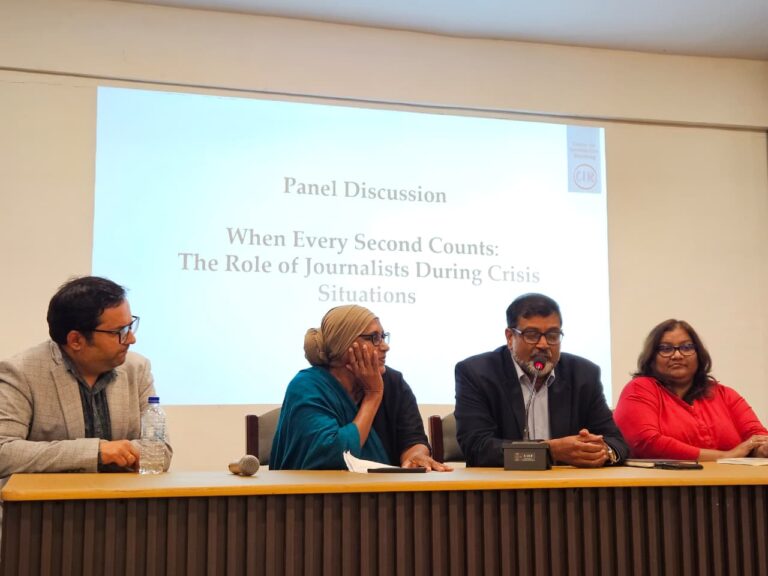
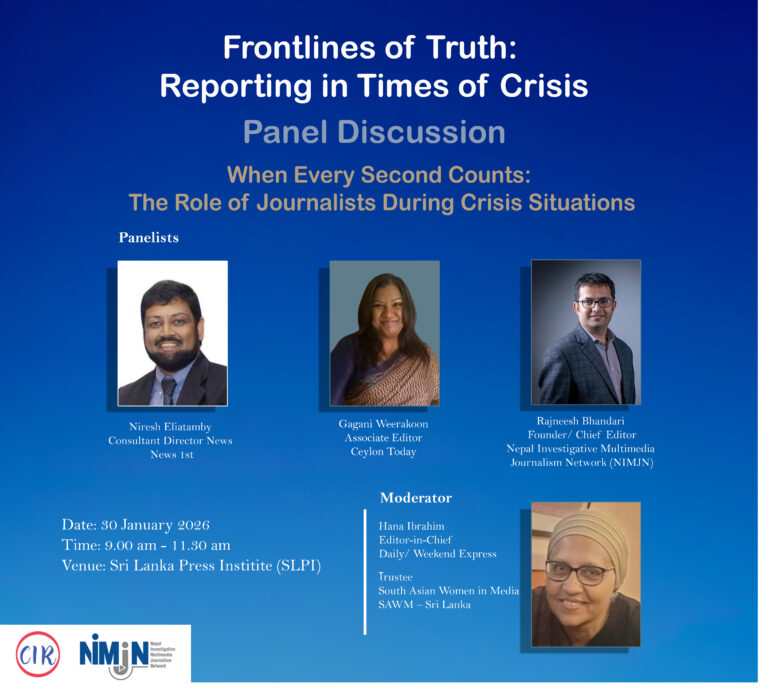
“When Every Second Counts: The Role of Journalists During Crisis Situations, a panel discussion organized by the Center for Investigative Reporting (CIR) was held on January 30 at the Sri Lanka Press Institute (SLPI)
Moderated by Hana Ibrahim, Editor-in-Chief of the Daily / Weekend Express, the session featured senior practitioners Niresh Eliatamby, Consultant Director News, News 1st; Gagani Weerakoon, Associate Editor, Ceylon Today; and Rajneesh Bhandari, Founder and Chief Editor of the Nepal Investigative Multimedia Journalism Network (NIMJN), who shared insights on the challenges and responsibilities of crisis reporting.
Niresh Eliatamby highlighted the need for government institutions to better integrate the media into their operations, particularly regarding public warning systems. He observed that, despite limited coordination and timely information from key authorities, media outlets continued alerting the public. He stressed on the importance of training officials in real-time emergency communication and ensuring that messages are delivered in all three national languages.
Ceylon Today’s Gagani Weerakoon examined the systemic failures in journalism and the realistic constraints within the newsrooms that make it difficult for journalists to fulfil their responsibility with regard to disaster communications. Comparing past and recent disasters, she observed a decline in effective communication between authorities and the media contributing to the current status, alongside newsrooms being short-staffed and poorly resourced, overworked reporters, and the erosion of the good practice of field reporting. She cautioned against the rush for breaking news driven by social media, highlighting the need for verification, ethical responsibility, follow-up reporting, and long-term preparedness over speed or sensationalism.
Rajneesh Bhandari reflected on the rapidly evolving media landscape, emphasizing the need for journalism to critically reassess its practices and sustainability. Drawing on experiences from Nepal, he noted the dedication of young journalists navigating financial instability and multiple roles. He warned that shrinking newsrooms, growing corporate influence, and the rapid spread of misinformation threatened journalism’s public-serving role. Calling for a “journalism reboot,” he stressed credibility, empathy, responsible disaster reporting, and stronger regional narratives through South Asian collaboration.
The discussion concluded by reinforcing the critical role of responsible journalism during crises, emphasizing collaboration, professional standards, and ethical reporting as essential for keeping communities informed and safe.
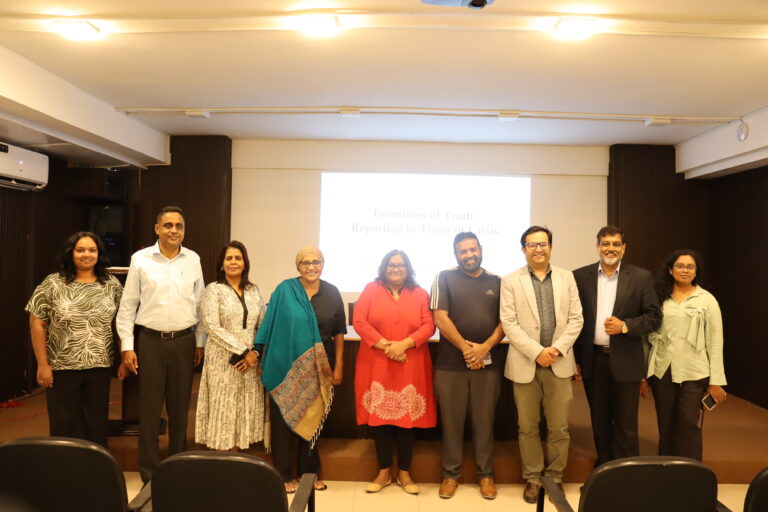
COLOMBO – The Center for Investigative Reporting (CIR) successfully concluded “Frontlines of Truth: Reporting in Times of Crisis” a special event help on 30 January 2026 in Colombo to mark its sixth anniversary.
The event brought together journalists, editors, and researchers and generated timely conversations on the importance of developing crisis reporting skills and the newsroom challenges in preparing journalists and maintaining continued reportage.
Vasana Wickremasena, CIR’s co-founder and trustee, welcomed the gathering. A minute of silence was observed to honour senior editor and defence analyst Iqbal Athas who passed away this January. CIR also marked its anniversary with the launch of a first of its kind of journalism resource titled ‘Reporting on Mass Graves: A Practitioners’ Guide.’
The event a featured keynote address by Rajneesh Bhandari, founder and chief editor of the Nepal Investigative Multimedia Journalism Network (NIMJN), who spoke on disaster accountability in South Asia, followed by Dr. Sanjana Hattotuwa, researcher and founding editor of Groundviews, who examined how racism, institutional decay, and information vacuums can intensify the impact of natural disasters using Cyclone Ditwah as a case study.
The expert interventions were followed by a panel “When Every Second Counts: The Role of Journalists During Crisis Situations”moderated by Hana Ibrahim, editor-in-Chief of the Daily/Weekend Express. Panelists included Niresh Eliatamby, Consultant Director News at News 1st, Gagani Weerakoon, Associate Editor at Ceylon Today, and Rajneesh Bhandari. Vote of thanks was proposed by Ayodhya Kiriella, CIR’s Program Associate. Award-winning journalist Kamanthi Wickramasinghe hosted the event.
CIR is a member of the Global Investigative Journalism Network (GIJN).
NIMJN founder Rajneesh Bhandari calls for greater collaboration among South Asian investigative journalists
Award-winning Nepali investigative multimedia journalist, filmmaker and editor Rajneesh Bhandari was a featured speaker when the Colombo-based Center for Investigative Reporting (CIR) marked its sixth anniversary at a special event on January 30 at the Sri Lanka Press Institute (SLPI).
Speaking at the event titled, “Frontlines of Truth: Reporting in Times of Crisis,” Bhandari shared reporting experiences across Nepal, reflecting on the evolving challenges in reporting during crisis situations. Emphasizing on the need for journalists to retain public trust while navigating modern crises, ranging from natural disasters to political instability, he emphasized that evidence-based reporting and ethical decision-making being critical in an era marked by information overload and rapid technological change.
Highlighting the importance of combatting the ‘infodemic,’ he warned against the rise of AI-generated disinformation and the rapid spread of unverified claims, stressing that during crises, accuracy must always take precedence over speed.
He also spoke about the multimedia edge and discussed the importance of using digital tools can assist in data visualization and mapping areas, enabling a “show, don’t tell” approach, strengthening transparency and audience trust.
In his remarks, he also touched upon the ethical use of AI. While acknowledging AI’s value in analyzing large datasets, Bhandari cautioned newsrooms to maintain human oversight and ethical standards, particularly when reporting on vulnerable communities.
Emphasizing that the best stories are told together, he called for greater regional collaboration and invited South Asia’s journalists to work together. He also spoke about co-founding the newly launched South Asia Journalism Collective (SAJC), he encouraged Sri Lankan journalists to engage in cross-border investigations to highlight issues of regional importance.
The expert speaker also touched upon the much overlooked but highly required holistic safety of journalism, emphasizing the need to promote the wellbeing of journalists across the region. He said that while there is greater focus on physical safety of journalists, there should be equal focus on mental health and wellbeing of frontline reporters and called for stronger institutional support systems for journalists working under pressure.
Further, he underscored the need for solutions journalism in a world where often problem are discussed without offering the occasional glimmer of hope. He also highlighted the importance of solutions journalism in investigative reporting, outlining its four pillars: response, insights, evidence, and limitations.
Bhandari is an award-winning investigative reporter, editor, and documentary filmmaker and the founder and chief editor of the Nepal Investigative Multimedia Journalism Network (NIMJN). He has led major investigations in Nepal while training journalists across South Asia in digital and multimedia storytelling. His work has been featured in The New York Times, National Geographic, Al Jazeera, and OCCRP.
The Center for Investigative Reporting (CIR) recently launched a journalism resource titled “Reporting on Mass Graves: A Practitioners Guide” to support journalists who wish to professionally report on mass graves.
The product release was part of an event organized to mark CIR’s sixth anniversary and preceded an expert discussion, “Frontlines of Truth: Reporting in Times of Crisis,” held on January 30 at the Sri Lanka Press Institute(SLPI).
Launching the practitioners guide, Dilrukshi Handunnetti, CIR’s co-founder and trustee, said: “The resource was developed from the experiences drawn from an ongoing investigative journalism project and also as a response to the kind of reporting we witnessed in recent months around Chemmani, which require some review, ranging from interview techniques to photography to focusing on victims and survivors.
Reporting on or investigating mass graves is not a matter of counting bodies. It is about how we, the journalists, report with care, respecting the dignity of both the living and the dead, avoiding false hope, ensuring context and honest accounts. It is not a moment to turn such tragedies and human rights violations into influencer or Insta moments. That is an inhuman way to report on something as sensitive as a mass grave.
Senior journalist Niresh Eliatamby who actively covered the Chemmani mass graves in 1995-1996 is the author of vital resource.
Every mass grave contains stories, secrets that are buried in the sands of time. Each is connected with people who are dead as well as living. It is the duty of journalists to report on or investigate mass graves in a responsible and consistent manner.
The resource has several sections and offers a classification of mass graves, principles of a journalist’s duty to report and do no harm, accuracy and verification, ethical and safety considerations, legal aspects, research methodologies, reporting techniques, using technology for investigative reporting and centering victims and survivors.
The resource is produced with the hope that it contributes professional reporting on Sri Lanka’s mass graves in adherence to global best practices. ”
Keynote on how racism, institutional decay and information vacuums compound natural disasters
The Center for Investigative Reporting (CIR) marked its sixth anniversary today (30) with an event titled “Frontlines of Truth: Reporting in Times of Crisis” focusing on crisis reporting and the professional, ethical, and practical challenges faced by journalists during emergencies.
Featured expert speaker Dr. Sanjana Hattotuwa, researcher and founding editor of Groundviews offered the audience an insightful presentation titled “When racism, institutional decay, and information vacuums compound natural disasters: A reflection on Cyclone Ditwah, ” Dr. Hattotuwa spoke on information vacuums, systemic racism, the denial of life-saving warnings to the Tamil speaking people, colossal institutional failures and the digitalization of exclusion. He also called upon journalists to move beyond reactive reporting and to hold power to account through in-depth public service journalism.
Following is the full transcript of Dr. Hattotuwa’s remarks:
I want to start with someone else’s reporting. Tharushi Weerasinghe and Sandran Rubatheesan documented something for The New Humanitarian that’s profoundly sad and should make all of us very uncomfortable.
Sivanu Dayalan, 43, a labourer in Matale is quoted saying: “I am lucky I was home when the landslide struck.” His house had sheltered 18 others displaced by floods. When the waters triggered landslides, they all had to flee. “We can only see part of the rooftop now because everything else is under mud.” He received no warnings in Tamil. None of the approximately 20 families on nearby tea plantations received any warning of what was coming. Had he not been home that night, his wife, three young children, and elderly parents would have had to escape on their own. Or not at all.
The article also quotes Nathkunam Pathmanathan, 60, a fisherman in Batticaloa: “We were told to be careful, but not how serious it would be.”
643 dead by 17 December. Nearly 200 still missing.
How many of those deaths could have been prevented? This isn’t just about better infrastructure and early warning systems, though we certainly need both. Timely and basic fundamental communication, especially in Tamil, would have been crucial. Clearly, the lack of communication proved, quite literally, deadly to our Tamil-speaking peoples.
This is a story not just of climate change, but criminal negligence.
The warnings missed
Let me walk you through what was happening across the Bay of Bengal whilst Sri Lankan officials, and even mainstream media remained silent.
I studied the titles of 939 articles featuring ‘Ditwah’ in just English between 25 November and 25 December 2025 across major Sri Lankan news websites. The reporting followed an entirely predictable trajectory. Initial warnings and casualty counts. International aid announcements. Economic damage quantification by early December. Parliamentary processes and infrastructure vulnerability documentation by mid-December. By late December, structural critique dominated: system failures, language discrimination, elite-controlled relief, transparency demands.
Period
Dominant trends
25-29 November
Initial cyclone warnings; early casualty counts (3 killed, then 69 dead); cyclone formation and tracking; flight disruptions; immediate emergency responses
30 November – 2 December
Rapidly escalating death toll (132→212→334→366 dead); missing persons counts; international aid announcements (India, Japan, China, Pakistan, UAE); emergency military deployments; Opposition walkout over ignored warnings
3-8 December
Death toll stabilises (474-479 dead); economic damage quantification begins ($4.1 billion World Bank estimate); IMF emergency financing ($200-206 million); institutional failure narratives emerge; Tamil language warning gaps highlighted
9-13 December
‘Rebuilding Sri Lanka’ fund establishment and growth tracking; sectoral damage assessments (railways, agriculture, industry); international development partner pledges; climate justice framing emerges; infrastructure vulnerability documentation
Death toll reaches 640; structural critique dominates (‘system failures’, ‘policy blunders’); calls for climate finance; criticism of elite-dominated relief; delayed Auditor General appointment controversy; long-term reconstruction debates; transparency and accountability demands
But how were early warnings communicated initially?
On 16 November: Bengali-language weather forecasters on Facebook were already predicting cyclone formation between 22-26 November. Specific posts identified Sri Lanka’s eastern coastal regions as potentially at risk. They named the storm: Senyar or Ditwah. On the same day: Bangladeshi forecasters were warning their publics. Weather pages in Myanmar were warning their publics. By 23 November, Vietnamese forecasters were tracking the system.
What was happening in Sri Lanka?
On 2 December 2025, I went through 138 articles featuring “Ditwah”, in English, දිත්වා in Sinhala, and திட்வா in Tamil, also across every major news website.
Every single article was published after 26 November. After the cyclone had struck.
The Meteorology Department’s Director General now claims warnings were issued on 12 November. I checked this. The Met Department’s official Facebook page does indeed have a post from 12 November. The post contains 15 images: one for each day of a fortnight forecast. The absolutely chilling weather maps showing extreme rainfall across Sri Lanka, much like what actually happened on 25 November, were the penultimate, and last images in the album. Caption just read in English only: “Weather forecasts obtained through numerical models for the next 15 days.”
There was no explicit warning. No alert language. No sense of urgency. No reference to the last two images, and related weather patterns. No framing in Tamil or Sinhala. It was a run-of-the-mill technical post requiring you to manually open, and scroll through 15 images to find the concerning forecast buried right at the end.
That post had two shares. Even the 39,000 people following the Met Department on Facebook didn’t think it important enough to circulate.
There was one domestic warning before Ditwah struck. Precisely one. On 24 November at 4.52pm, a lawyer called Dishan Manamperi posted on Facebook in Sinhala, warning of severe rainfall between 26-29 November. He urged immediate preparation. His post got 2,400 views and one share.
Weather forecasters across the Bay of Bengal were tracking and warning about Ditwah from 16 November onwards. Sri Lankan mainstream media published nothing. Not a single journalist monitored regional meteorological discourse. Not one editor asked why Bengali and Burmese forecasters were sounding alarms whilst our Met Department posted technical forecasts without explicit warnings.
This wasn’t just a failure of individual journalists. It reveals something structural: no one in Sri Lankan journalism is trained to report on early warning systems, disasters, and climate change as an ongoing beat. There’s coverage when disasters hit: casualty counts, damage assessments, human interest stories.
Then silence until the next crisis.
The UN’s Early Warnings for All initiative and the Sendai Framework for Disaster Risk Reduction both emphasise that effective disaster reporting requires rigorous, long-term focus. Journalists need to understand meteorological data, track regional weather systems, interrogate gaps between technical forecasts and public communication, and also monitor whether vulnerable communities receive timely information in accessible languages.
None of this exists in Sri Lankan newsrooms. No disaster and climate change desks. No journalists who spend months between disasters examining early warning infrastructure, testing whether SMS alert systems actually work, investigating why Tamil translations consistently lag behind Sinhala updates, documenting which communities remain unreached by official communications.
When Ditwah formed, Sri Lankan journalists weren’t watching regional meteorological discourse because they’d never been trained to watch it. They weren’t questioning the Met Department’s communication strategy because they didn’t know what effective disaster communication looks like. They weren’t comparing Sri Lanka’s early warning systems against international frameworks because most had never heard of the Sendai Framework.
This capacity gap means journalism can’t fulfil its basic function during the one time it matters most: before disaster strikes, when scrutiny of early warning systems could actually save lives.
A racism, and language discrimination that killed people
The temporal, and structural failures compounded with something darker.
I studied 68 posts on the Disaster Management Centre’s Facebook page from 25-29 November. Only 12 featured content in Tamil. All 12 concerned flooding. There were zero landslide warnings in Tamil.
Kandy, Badulla, Nuwara Eliya recorded the highest death tolls. These districts have significant Tamil-speaking populations, particularly Malaiyaha Tamil communities in tea estates. The National Building Research Organisation (NBRO) issued detailed landslide evacuation orders for these exact areas. Level 3 red alerts which requires immediate evacuation.
Every single one was published only in Sinhala and English. Tamil speakers in the districts experiencing the worst landslides received no warnings in their language about the specific threat that killed some of them. This wasn’t an oversight. This wasn’t a capacity constraint. This was an institutional decision that Tamil-speaking lives mattered less than the administrative convenience of not translating, and communicating safety information.
I also studied 143 updates from the Met Department’s Facebook page over the same period. Routine temperature data appeared trilingually. Urgent warnings about the developing cyclone were delayed or totally omitted in Tamil. Between the night of 27 November and morning of 28 November, as the storm intensified into Cyclone Ditwah, Sinhala warnings went out at 8.26pm, 11.19pm, 2.02am, 5.48am. Specific coordinates, movement speeds, intensification status.
The last Tamil warning was posted at 5.58pm on 27 November. Tamil speakers got zero updates during the critical 12-hour overnight window as the storm intensified.
I also studied the DMC’s official website. Situation reports on 27, 28, 29 November, containing detailed information about evacuations, road closures, emergency response, were exclusively in Sinhala. Of 34 weather reports published between 25-29 November, one contained Tamil content. Even the DMC’s banner image on Facebook, with critical emergency numbers, remains to this day only in Sinhala.
32 million SMS messages sent to ether?
Here’s where the numbers stop making sense entirely.
The DMC told The New Humanitarian it sent out 32 million text alerts. The Telecommunications Regulatory Commission’s data from June 2025 shows around 27 million SIM registrations in Sri Lanka. Where, and to whom did the DMC send 32 million alerts when only 27 million SIMs exist in Sri Lanka? Did these messages target those in the deep South of the country that wasn’t impacted at all by the cyclone? Did they flood a small demographic, located somewhere in the country, with repeated messages? We may never know.
I didn’t receive any SMS alert. No one I have interviewed since the cyclone hit received one. No friend, family, neighbour or colleague of those I’ve talked with received one. None of the survivors quoted in The New Humanitarian’s reporting received one.
Perhaps the DMC inflated numbers to cover institutional failure or they sent alerts to inactive numbers, and counted them anyway. It may be that their SMS alerting system is fundamentally broken, with alerts shown as sent, but are never actually delivered.
Who knows?
Whether criminal incompetence or through systemic failure, the DMC’s claim appears false.
And this being Sri Lanka, it will never be investigated.
An information vacuum that killed people
When official communications fail, disinformation rushes in to fill the void.
Divya Thotawatte, writing in the Daily FT, documented at least 57 false social media posts linked to Cyclone Ditwah. Claims that entire villages were buried by landslides. That the Kotmale dam had cracked. That the DMC itself had been deactivated. On 30 November, false news went viral claiming the Kotmale dam had breached. Hundreds of residents fled their homes. The DMC’s hotline was completely overwhelmed. Hundreds of calls seeking verification.
Here’s what I told the Daily FT: “The institutional inability to communicate coherently led to and directly created the space for disinformation to flourish.”
In other words, the DMC does not, and cannot recognise that its own catastrophic, and criminal institutional failure led to the accelerated creation of mis, and disinformation.
Slow, uneven, inaccessible official communication created uncertainty on the ground. If there was coherent, regular, official, clear, evidence-based communication including at the last-mile, people would not have been as easily misled. But much of what the DMC and Met Department published was inaccessible to large segments of the population. Communications were predominantly in Sinhala, leaving Tamil-speaking communities uninformed. Disabled communities, including the blind, and deaf, weren’t accommodated either.
This created fertile ground for disinformation.
Chasing after false content after it goes viral will never be enough. Strengthening the fundamentals of official, timely, coherent crisis communication is far more effective in reducing disinformation’s impact.
Military leadership and institutional failure
The trappings of militarisation also warrant examination in the context of disaster-related communication. The DMC is headed by a Major General. It’s military leadership.
From Namini Wijedasa’s investigative journalism in the Sunday Times, to Tharushi Weerasinghe, and Sandran Rubatheesan’s ground reporting in The New Humanitarian, and Ambika Satkunanathan’s comprehensive, and unique capture of the Attorney-General’s 2024 audit report, published on Twitter, all document monumental institutional failures at the DMC.
These failures directly contributed to loss of lives around Cyclone Ditwah, especially amongst Tamil-speaking peoples.
The military leadership of the DMC warrants criminal investigation. But it will never happen.
Here’s the contradiction: public adulation of the military remains focused on the post-Ditwah recovery phase. Humanitarian operations. Rescue efforts. Legitimate, life-saving work, often done very well by soldiers on the ground.
But there’s no interrogation of how the DMC – under military leadership – failed so catastrophically before the cyclone struck. Many see just one side, and even journalists are blind to more critical captures, and robust questions around complicity in preventable deaths.
Criminal culpability and journalism’s failure
I used the phrase “criminal culpability” in my interview with the Daily FT and I meant it. The DMC’s and Met Department’s repeated failings, including their inability and unwillingness to take disaster communications seriously, created the space for public panic and mass displacement. People who were scared, anxious, traumatised, stressed consumed disinformation because official channels had left them uninformed.
Sri Lanka has grappled with the same crisis communication failures since the 2004 Asian tsunami. Twenty-one years. Multiple disasters. Little structural reform.
The spread of disinformation during Ditwah wasn’t primarily a platform failure. It was the result of deep-rooted institutional weaknesses in disaster, and crisis communication. And mainstream journalism has failed to hold these institutions accountable, over two decades.
The function of journalism isn’t just reporting what the state says. It’s scrutinising what the state does, questioning what the state claims, exposing gaps between official statements and lived reality.
When the Met Department Director General says warnings were issued on 12 November, where were the journalists asking: “Show us exactly what those warnings said and where they appeared”? If the DMC claims 32 million text alerts, where are the journalists verifying that against TRC’s data? When Tamil communities in Matale and Badulla say they received no warnings, where are the journalists investigating why the DMC’s Facebook page featured almost no Tamil content during the most critical 72 hours? When the DMC is led by military officers, where are the journalists examining whether that institutional culture contributes to the systematic communication failures documented disaster after disaster?
Natural disasters happen. But the unequal distribution of information, and especially the systematic privileging of Sinhala speakers in access to life-saving warnings is a human failure – or more accurately, the privileging of a language, and community over others, which is essentially racism.
Journalism’s role is exposing all this loudly, repeatedly, until they’re addressed. But mainstream media hasn’t done that.
Digitalisation as discrimination amplifier
Sri Lanka enthusiastically embraces digitalisation of government services. Relatedly, the DMC and Met Department have moved disaster communications onto Facebook, websites, and according to them at least, SMS warning systems.
What Cyclone Ditwah revealed is that digitalisation built on discriminatory foundations simply entrenches racism and makes discrimination faster and more efficient.
The Sri Lankan state has never meaningfully served the basic existential needs of Tamil-speaking communities. Now we’ve digitised that exclusion. Viral Facebook posts that are in Sinhala only. Photographs and weather maps with legends that aren’t in Tamil. Official government websites with Tamil language options displaying everything in Sinhala. SMS systems claiming to reach everyone whilst reaching no one especially in Tamil-speaking areas that are also amongst the most landslide prone in the country.
Earlier this year, I documented similar failures in Sri Lanka’s e-NIC project. Without confronting and dismantling the systemic racism permeating public institutions, any digital infrastructure will simply create a more efficient system of exclusion. Cyclone Ditwah proved that warning correct.
Conclusion
Over 640 lives are already lost to Cyclone Ditwah, and a cost to country that dwarfs the Asian tsunami 20 years ago. These figures will likely grow. We will never know exactly how many deaths could have been prevented through better communication.
But we do know Tamil-speaking communities received systematically less life-saving information, less detailed warnings, and often no warnings at all. We know Tamil speaking peoples died because of this information vacuum.
We know that the DMC and Met Dept reflect the ingrained institutional racism that colours governance frameworks. We know disabled communities were excluded entirely from disaster communications designed for the sighted and hearing. We know the DMC, under military leadership, failed catastrophically. We know the Met Department’s alerting failed catastrophically.
Let me end with what I told The New Humanitarian: “Information asymmetry can be the difference between life and death. When trilingual messaging is treated as optional, it reflects a deeper unwillingness to communicate in Tamil—across every channel, digital or otherwise.”
Unless we fundamentally change how disaster communications work, train journalists to rigorously scrutinise early warning systems as an ongoing beat rather than post-disaster afterthought, hold institutions criminally accountable for discriminatory failures that kill people, and build media oversight mechanisms that function before disasters occur, the next tsunami, flood, landslide or cyclone will claim just as many lives.
“When Every Second Counts: The Role of Journalists During Crisis Situations,” a panel discussion organized by the Center for Investigative Reporting (CIR) will bring together four newsroom leaders to delve into practical realities of covering crises.
The conversation will take place on 30 January 2026 from 9.00 am to 11.45 am at the Sri Lanka Press Institute (SLPI), Colombo, and collectively reflect on journalism’s critical role when timely and accurate information can protect communities.
Moderated by Hana Ibrahim, Editor-in-Chief of the Daily / Weekend Express, the panel brings together Niresh Eliatamby, Consultant Director News at News 1st; Gagani Weerakoon, Associate Editor at Ceylon Today; and Rajneesh Bhandari, Founder and Chief Editor of the Nepal Investigative Multimedia Journalism Network (NIMJN), whose collective experience spans national and regional media landscapes.
The panel will explore the role of journalists in keeping communities informed with urgency and impact, the challenges of getting stories right amid uncertainty, the influence of journalism on public behaviour and misinformation, ethical dilemmas in reporting without inflaming fear, responsibility for crisis narratives and communication failures, and the emotional and mental health toll on journalists who bear witness to disasters.
Al comparar casinos en línea, teniendo en cuenta la variedad de juegos, pensando en un uso regular, una plataforma que puede revisarse de forma independiente es chicken subway juego , mientras una revisión independiente también puede abarcar la experiencia móvil y la navegación, junto con las reglas de retirada y los límites antes de registrarse.
Vor der Entscheidung, welche Seite näher geprüft werden soll, beim Vergleich von Navigation und Bedienkomfort, als Teil eines unabhängigen Vergleichs, eine Option für den direkten Vergleich ist fugu casino 5 , separat kann man auch betrachten die aktuellen Aktionsbedingungen, zusammen mit den wichtigsten Bedienungsdetails ohne die endgültige Wahl zu überstürzen.
Før man beslutter hvilken side der bør undersøges nærmere, ved vurdering af mobil brug, fra et praktisk brugerperspektiv, en platform der kan vurderes uafhængigt er https://spinlander-casino.dk/ , mens en uafhængig vurdering også kan omfatte registrerings- og verifikationsprocessen, med kundesupportens tilgængelighed i tankerne uden at forhaste den endelige beslutning.
Dla użytkowników zestawiających kilka platform jednocześnie, z uwzględnieniem metod wpłat i wypłat, na potrzeby wstępnej oceny, jednym z punktów odniesienia może być kasyno na prawdziwe pieniadze jeśli jednocześnie ocenia się najważniejsze warunki korzystania z serwisu, wraz z zasadami dotyczącymi wypłat w ramach szerszego porównania podobnych serwisów.