Valvettithurai, Jaffna: Ever since he was a teenager, Kathiramalai Kamalanathan, 56, has been fishing to support his family of five.
Even after his children were married off and settled down in nearby villages, he prefers not to depend on anyone and still goes out to sea.
The only difference is that, now, he needs to go beyond at least six nautical miles from the coast to get a decent catch. The reason: there is no fish in coastal shallow waters.
“During this season [July-August], we used to catch small fish varieties of neththali (anchovy), kooral, lobster, sardine, milk shark (paal sura), pomfret (Vaaval) nearer the coast and those days are gone now,” Kamalanthan told the Sunday Times, casting an empty look at the sea from his fishing hut.
For Kamalanathan, who had been displaced multiple times during the war and had only returned to build a home from scratch after the war’s end in 2009, a long passage to mid-sea at this age is a difficult task.
“Just imagine, I used to get around 30-35 kilograms of fish in one trip, whereas a local trawler brings at least 2,000 kilos. The worst offenders are Indian bottom trawlers because they wipe out everything on the seabed. What can we do?”
Following a protest last week in front of the Consulate General of India in Jaffna, northern fishermen handed over a petition demanding Rs 300 million as compensation for the damage caused by Indian fishermen to the fish catch and fishing equipment in recent years.
Like Kamalanathan, over two-thirds of the total 50,310 fishing households in the northern province who practice traditional fishing methods are facing a bleak future as fish stocks are depleted due to bottom trawling by Indian vessels, illegal fishing, and an increasing number of local fishermen engaging in trawling.
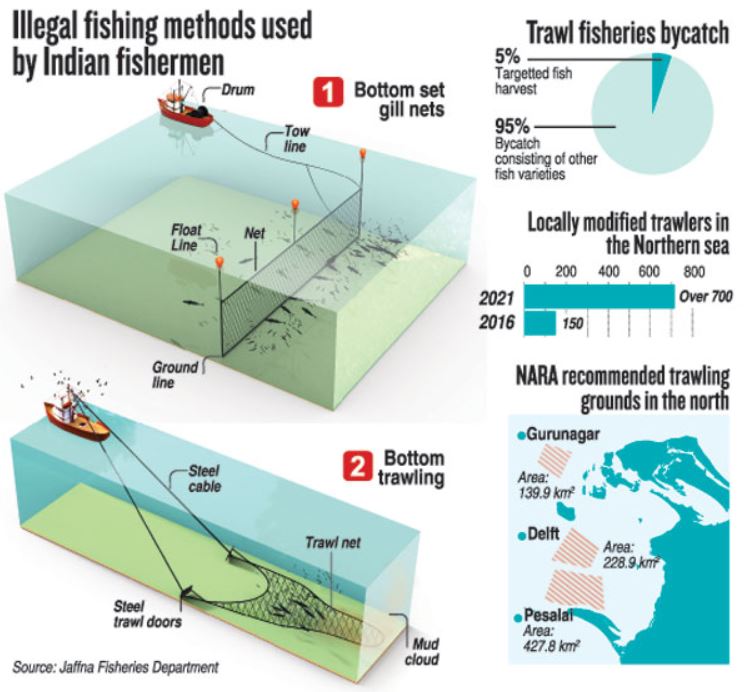
Over 700 locally modified trawlers are engaged in trawling in the northern sea, according to the Jaffna Fisheries Department. The number has increased from 150 trawlers reported in 2016.
In recent months, groups of north-based fishermen staged many protests across the province with a sole demand: implement the amended the law passed in 2017 that declared any type of trawling as ‘illegal fishing’ and introduced hefty fines. Yet, there had been no arrests made under this law.
The amendment to the Fisheries and Aquatic Resources Act banned bottom trawling, a harmful fishing practice. It also introduced hefty fines for violators. The law makes it illegal to either fish from, operate, or own a boat engaged in bottom trawling. The offence carries a fine of Rs 50,000 and up to two years of imprisonment.
Instead of implementing the law, the Fisheries Ministry commissioned the National Aquatic Resources Research and Development Agency (NARA), to identify potential trawling grounds around the island to issue licences for shrimp and prawn harvesting. Delft, Gurunagar in Jaffna and Pesalai, Mannar are the three trawling grounds recommended by NARA in the North.
Dr A. S. Soosai, a retired professor from the University of Jaffna and a Mannar-based fisheries researcher, said there are many factors contributing to the depletion of fish stocks, but over exploitation in the post-war period was a big reason.
“There has been no proper fisheries resources management or monitoring mechanism in place. The politicization and apparent corruption in the industry went to another level in recent years along with the number of individuals engaged in fishing,” Prof Soosai said, insisting that the Fisheries Department should stop issuing fresh permits for trawling.
Source: Jaffna Fisheries Department /The Sunday Times
In trawling, for every kilo of targeted fish harvest, another 18 kilos of bycatch consisting of other fish varieties are caught in nets unintentionally, Prof. Soosai pointed out.
To avoid potential legal action, northern fishermen dump the bycatch in mid-sea, or transfer it to other fishing vessels to be claimed as their own catch. They would later sell it at much lower prices to wholesalers.
While there is a mandatory annual 61-day ban in India to protect marine resources, Prof Soosai said there were no steps taken in Sri Lanka to protect the seasonal fish banks and ensure the sustainability of fish stocks. “If overfishing and exploitation of fish resources continue at this scale, the consequences would be felt within the next decade,” he said.
Dr Rekha Maldeniya, former principal scientist of the Marine Research Division of NARA, told the Sunday Times, that since the sea bottom in the northern sea is unique due to massive historical coral reef patches, unregulated local trawling and Indian bottom trawling will cause immense damage at the expense of disrupting marine biodiversity in the region.
“Unlike Indian bottom trawlers who use steel/ iron bars, local fishermen use wooden slabs to reduce the damage,” Dr Maldeniya said stressing that some coral patches weigh 10-15 tons.
Nishan Perera, marine biologist and co-founder of Blue Resources Trust, a nonprofit marine research and conservation group, also expressed serious concerns over the entire marine eco-system being disrupted in the northern sea if trawling continues.
“These resources are already under stress due to other illegal fishing activities like dynamite fishing, which forced traditional fishermen to look for new fishing grounds as some endangered species in marine habitats are destroyed, accidentally get caught, or tangled in trawling and die,” Mr Perera said.
The two-month ban generally starts from April 14 and was introduced in 2014 based on recommendations by an expert committee set up by the Tamil Nadu State Fisheries Department. However, this ban is not applicable to traditional Indian fishermen who operate ‘vallams’ or catamarans.
At least 12,000 mechanised trawlers from 13 coastal districts of Tamil Nadu complied with a directive issued by the Fisheries Department of Tamil Nadu. However, Indian traditional fishermen are allowed to go fishing during this period.
“During my field research, I noticed that there has been a subtle decrease of some of the specific fish varieties, particularly sharks, promfret (Vaakal) in the northern sea due to extensive trawling and the increasing use of illegal fishing methods,” said Ramajeyam Gobiraj, a marine biologist of the Blue Resources Trust.
Mr Gobiraj said catches of these species have become rare, while the export demand skyrocketed in recent years.
For example, Kooral ((black-spotted croaker), is now rare in the northern sea and difficult to track despite a huge export demand. A kilo sell for more than Rs 10,000.
Northern fishermen say that use of monofilament nets by the Indians in Sri Lankan waters threaten the livelihood of some 50,000 fishing families in the province. They fear the country’s fisheries resources could be exploited further by overfishing and mismanagement of fisheries.
Compared with boats operated by small-scale Sri Lankan fishermen, the country boats, or vallams, operated by Indian fishermen are relatively large and high-powered enough to cross the International Maritime Border Line (IMBL).
Their monofilament nets known as ‘Thangus’ locally, were spread within the Sri Lankan maritime border as navy vessels intercept them. Though the use of monofilament nets is legal in India, the practice is banned in Sri Lanka.
After nearly a year of no arrests made due to COVID-19 concerns, in October the navy started arresting Indian fishermen who venture into Sri Lankan waters. So far, over 70 Indian fishermen have been detained and then released after being brought before courts. Their fishing vessels and equipment are seized.
The northern fishermen also stressed that Indian fishermen — trawler operators and traditional fishermen — trespass into Sri Lankan waters because the fish stocks in their waters have been cleaned up.
The president of the Mannar Fisheries Federation, Justin Zoysa, said that in a vaththai boat, Indian fishermen would bring bottom set gill nets that weigh 200-300 kilos to block at least 10 nautical miles.
“It looked like a fence beneath the sea. Our fishermen cannot go fishing when these nets are laid. Given this irresponsible behaviour of these Indian fishermen, how can we issue fishing permits to Indian fishermen at the expense of our livelihood?” Zoysa asked.
Meanwhile, fisheries experts fear the complete depletion of fish stocks like in Tamil Nadu.
“Tamil Nadu trawlers fish in Sri Lankan waters because their own resources are badly managed and overfished. Sri Lanka’s small-scale fishing communities will be impacted from licences given to Tamil Nadu country boat owners to fish in Sri Lankan waters. The consequences would be loss of livelihood, income for fishing communities and the slow, steady destruction of marine resources on the Sri Lankan side of the Palk Bay, as has happened on the Tamil Nadu side of the Palk Bay, by Tamil Nadu boat owners,” Steve Creech, a fisheries consultant based in Sri Lanka, said.
For Kamalanathan, his fishing needs are minimal enough to support his family and live in peace considering his age. “But it is increasingly difficult to do that, let alone make any decent money.”
India holds on to ‘humanitarian’ issue line
Amid protests by northern fishermen demanding action against Indian fishermen in northern waters, a three-member delegation led by Indian High Commissioner in Sri Lanka, Gopal Baglay visited Tamil Nadu fishing villages in Rameswaram from November 21-24 to study alternatives taken by New Delhi.
It was also agreed to facilitate an early meeting of the India-Sri Lanka Joint Working Group on Fisheries as well as interactions between fishermen’s associations of both countries. The High Commission said that a team from Tamil Nadu would visit Sri Lanka to finalise modalities of the auction of the unsalvageable Indian fishing boats in various Sri Lankan harbours.
In a written response to questions by the Sunday Times, the Indian High Commission in Colombo said that the Indian central government had undertaken many steps such as diversification into deep-sea fishing, infrastructure created to facilitate deep-sea fishing, promotion of alternative livelihood through mariculture and aquaculture activities in the coastal areas as an alternative method for Tamil Nadu fishermen.
Indicating that all fisheries issues arising during the implementation of such bilateral understandings are being taken up at the higher level of the government, the High Commission said, “it has been stressed that the fishermen issue is a humanitarian and livelihood concern and that use of force or violence in any manner should be avoided, in line with the agreement between the two governments’’.
The Indian side also reiterated the need for releasing all fishing boats in Sri Lankan custody in line with the commitment given by President Gotabaya Rajapaksa during his state visit to India in November 2019. Accordingly, 130 boats are to be released, while 63 boats are under trial custody in Sri Lanka, according to the High Commission.
கடந்த வாரம் நாங்கள் வெளியிட்ட ஒரு அறிக்கையில், பொதுவாக முன்னணி ஊடவியலாளர்கள் தங்களுக்குப் பிடித்தவையாகக் குறிப்பிடும் பல புலனாய்வு தந்திரோபாயங்களை GIJN பகிர்ந்து கொண்டுள்ளது . நாங்கள் குறிப்பிட்டது போல, மழுப்பலான-சந்தேகத்திற்கிடமான ஆதாரங்கள் மற்றும் தரவுகளை அணுகுவதற்கும், ஊடகவியலாளர்களுக்கு உதவக்கூடிய ஊழல்கள் தொடர்பான (Muckraking) பல செய்தி சேகரிக்கும் நுட்பங்கள் உள்ளன. ஆனால், இந்த இரண்டு செய்திக்கதைகள் மூலம், GIJN கடந்த ஆண்டு நேர்காணல்களில் ஊடகவியலாளர்கள் மீண்டும் மீண்டும் பாராட்டி மெச்சிய அணுகுமுறைகளை முன்னிலைப்படுத்த விரும்புகிறது.
இங்கே, இதே குழுவில் கிட்டத்தட்ட எந்த புலனாய்விலும் , குறிப்பாக கொஞ்சம் டிஜிட்டல் திறன்கள் தேவைப்படும் அல்லது தேவைப்படாத புலனாய்விலும் பெறுமதிமிக்கதாகக் கண்டறிந்த பல டிஜிட்டல் கருவிகளைப் பகிர்வதில் நான் மிகவும் மகிழ்ச்சியடைகிறேன்.
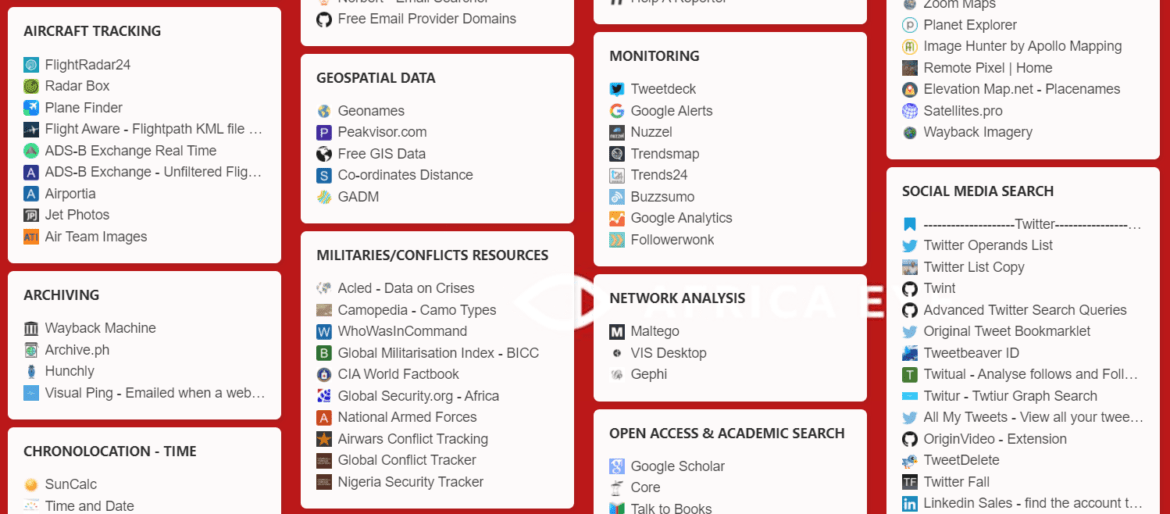
இங்கே Flourish-பற்றி முக்கியமாக குறிப்பிட வேண்டும் – இது ஒரு இலவச, பயனர் நட்பு வரைபட உருவாக்கம் மற்றும் தரவு காட்சிப்படுத்தல் கருவியாகும், இது உலகளவில் பெருமளவில் விரும்பப்படுவதாகத் காணப்படுகின்றது – மேலும் BBC Africa Eye குழுவால் தொகுக்கப்பட்ட 200 கருவிகளைக் கொண்ட இணையப் பக்கங்களிலும் இத்தளம் உள்ளடக்கப்பட்டுள்ளது. இது புலனாய்வு எனும் வகையால் வகைப்படுத்தப்பட்டுள்ளபோதும் , உலகின் தென்பகுதி (Global South) நாடுகளைச் சார்ந்த சில குறிப்பிட்ட தரவுத்தொகுப்புகளையும் உள்ளடக்கியது.
pix credit- இரண்டு டசின் புலனாய்வு வகைகளுக்குள் 200 க்கும் மேற்பட்ட டிஜிட்டல் கருவிகளைக் கையாளும் BBC Africa Eye இன் “தடவியல் இணையப்பக்கம்”. படம்: திரையைப்படம் பிடிக்கப்பட்டது.
வீடியோ கிளிப்களைப் கண்டெடுக்கவும் பதிவிறக்கவும் இலவச தளங்கள். ஜனவரி 6 அன்று US Capitol இல் நடந்த கலவரத்தின் போது, இலாப நோக்கற்ற புலனாய்வு செய்தித்தளமான Bellingcat இன் நிருபர்கள் ஒரு முக்கியத்துவமான நிகழ்வின் சாத்தியமான ஆதாரங்களைத் கண்டெடுக்க, ஒரு பொதுவான நுட்பத்தைப் பயன்படுத்தினர்: அவர்கள் சமூக ஊடக கிளிப்புகள், ஸ்ட்ரீம்கள்எனப்படும் நேரலைகள் (streams)மற்றும் படங்களை TweetDeck நெடுவரிசைகளில் அனுப்பினர். ட்விட்டருக்கு twittervideodownloader.com, Facebook வீடியோவிற்கு FBdown.net மற்றும் YouTube க்கு y2mate.com ஆகிய தளங்களைப் பயன்படுத்தி அவர்கள் கண்டறிந்த விடயங்கள் பதிவிறக்கம் செய்யப்பட்டு காப்பகப்படுத்தப்பட்டது. சமூக ஊடகப் பயனர்கள் தமது உள்ளடக்கத்தை பின்னர் அகற்றியிருந்தாலும், அன்று வாஷிங்டன், டிசியில் என்ன நடந்தது என்பதைப் புரிந்துகொள்வதற்கு அவர்கள் அந்த காட்சிகோவைகளையும் தம்மிடம் வைத்திருந்தார்கள் என்பதே இதன் பொருள்.
இந்த மூன்றாம் தரப்பு தளங்களிலிருந்து ஏதேனும் இயங்குதள உரிமைக் கொள்கைகளை மீறும் அபாயம் இருந்தால், YouTube-dl போன்ற கட்டளைகளை கொண்டியங்கும் மென்பொருளைப் பயன்படுத்தி YouTube பதிவிறக்கங்களைப் பயன்படுத்தவும்.
ஊடகவியலாளர்கள் காப்பகப்படுத்துவதற்கும், ‘தமக்கு விரும்பிய நேரத்தில் திரும்பி எடுப்பதற்கும்’ உதவும் கருவிகள். மோசமான பேர்வழிகள் சில சமயங்களில் அவர்கள் செய்த தவறுக்கான இணைய ஆதாரங்களை மாற்றவோ அல்லது அகற்றவோ முயற்சி செய்கிறார்கள் – குறிப்பாக நீங்கள் அவர்களை அணுகி உங்கள் கண்டுபிடிப்புகளை தெரிவித்த பிறகு. அந்த ஆதாரத்தைப் பாதுகாக்க, முன்னணி ஊடகவியலாளர்கள் இந்தக் கருவிகளைப் பயன்படுத்த விரும்புகிறார்கள்: Hunch.ly — இது உங்கள் இணைய தேடலைக் காப்பகப்படுத்துகிறது; Wayback Machine -வேபேக் மெஷின் – GIJN சமீபத்தில் விரிவாக அறிக்கை செய்த ஒரு தளம்; மற்றும் archive.today, இது வலைப்பக்கங்கள் மற்றும் நீண்ட உரையாடல் தொடர்களை நகலெடுத்து பாதுகாக்க முடியும்.
டெலிகிராமில் தவறான தகவல்களையும் தீவிர வலதுசாரி குழுக்களையும் கண்காணிக்க புதிய கருவிகள்.
Facebook தேடல் தளமான CrowdTangle பல ஆண்டுகளாக, Facebook, Instagram மற்றும் Twitter போன்ற சமூக ஊடகங்களில் பகிரப்படும் தவறான தகவல்களைக் கண்காணிப்பதற்கான ஓர் முக்கிய தளமாக இருப்பதுடன் முன்னணி சைபர் குழுக்களை புலனாய்வு செய்வதற்கான கருவிகளில் ஒன்றாகவும் உள்ளது.
சமீபத்தில், BuzzFeed தளத்தினைச் சேர்ந்த Jane Lytvynenko போன்ற தவறான தகவல் தொடர்பில் புலனாய்வு செய்யும் ஊடகவியலளார்கள் Telegram இல் சேனல்களை எவ்வாறு பின்பற்றுவது என்பதில் முன்னேற்றம் கண்டனர்; அவர்கள் tgstat, Telegago போன்ற தேடல் தளங்களில் முக்கிய குறி சொற்களை தேடல்களுக்குப் பயன்படுத்தினார், மேலும் Site:t.me/* போன்ற வைல்டு கார்டுகளுடன் (wildcards) Google இல் குறிப்பிட்ட தேடல் சொற்களைப் பயன்படுத்தினர். இந்த விடயத்தை பின்தொடரும் ஊடகவியலாளர்கள், OSINTcurio.us தளத்தில் வாரந்தோறும் வெளியாகும் புதிய தேடல் அணுகுமுறைகள் பற்றிய விடயங்களை தாம் கற்றுக்கொள்வதாக கூறுகிறார்கள். தவறான தகவல் பிரச்சாரங்களை மேப்பிங் செய்வதற்கு அடிக்கடி மேற்கோள் காட்டப்படும் மற்றொரு முக்கியமான தளம் Hoaxy ஆகும்.
இது உங்களின் தற்போதைய தொலைபேசி எண்கள் மற்றும் எப்போதாவது பயன்படுத்தும் உங்களின் ஹோட்டல் அறை எண்ணையும் கூட, இலகுவில் கண்டுபிடிக்க முடியாத ஒற்றை எண்ணுடன் இணைக்க இந்த சிஸ்டம் உங்களை அனுமதிக்கிறது –ஒரு வகையில் இதுவே உங்களுக்கு எப்போதும் தேவைப்படும் ஒரே எண்ணாகவும் இருக்கும். இது தேடக்கூடிய குரல் அஞ்சல் (voicemail )செய்தி வழங்குவதோடு ஒரு மெய்நிகர் உதிரி தொலைபேசி என்ற வகையில் ஊடகவியலாளர்களை துன்புறுத்தல்களிலிருந்து பாதுகாக்கவும் முடியும்.
“செய்ய வேண்டிய பணிகளின் பட்டியல்களை (to-do lists) நிர்வகிக்கும் கருவிகள். புதிய டிஜிட்டல் நிறுவன கருவிகள் சிக்கலான புலனாய்வுகளை மேற்கொள்வதில் வியக்கத்தக்க வகையில் பயனுள்ளதாக இருப்பதாக ஊடகவியலாளர்கள் கூறுகின்றனர். அவர்கள் Things app போன்ற இயங்குதளங்களையும், கோப்புறைகளுக்குப் பதிலாக ஊடாடும் குறிப்புகளையும் பயன்படுத்தும் குறைந்தபட்ச, இணைய அடிப்படையிலான WorkFlowy திட்ட மேலாண்மைக் கருவியையும் பரிந்துரைக்கின்றனர்.
ஊடக கண்காணிப்பு மற்றும் நெருக்கடி உள்ள நாடுகளில் ஊடகவியலாளர்கள் அடக்குமுறை அதிகாரிகளால் தங்கள் உபகரணங்களை கையகப்படுத்தபடுவதை தவிர்க்கும் முகமாக தமது ஆவணக்கோப்புறைகளை VeraCrypt குறியாக்க கருவி மூலம் பாதுகாக்க முடியும். இது அந்த கோப்புறைகளை மறைத்துவிடும், அதனால் அவை தவறான கைகளுக்கு சென்றாலும் அவர்களின் கவனத்தை ஈர்க்காது.
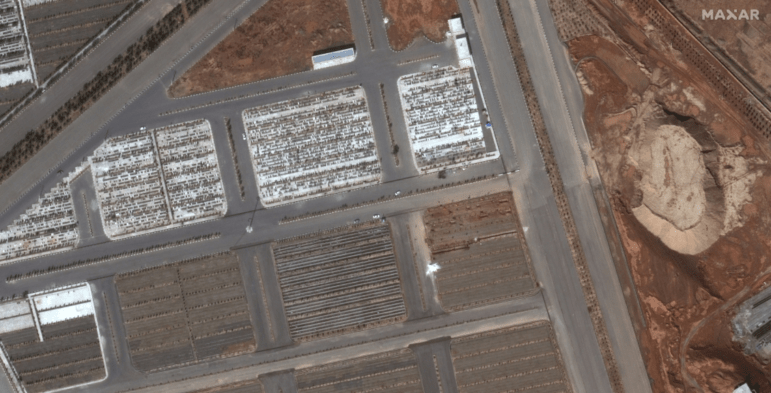
உங்கள் புலனாய்வு தொடர்பான இலவச செயற்கைக்கோள் படங்கள். செயற்கைக்கோள் (Satellite )படங்கள் சில சமயங்களில் விசாரணைக்கு மிகவும் முக்கியமானதாக இருக்கும், உதாரணமாக, போட்ஸ்வானாவின் புலனாய்வு லாப நோக்கமற்ற நிருவனமான -Ink இல் உள்ள இரண்டு பத்திரிகை உதவி ஆசிரியர்கள் ஒரு முறை செயற்கைக்கோள் நிறுவனத்திடமிருந்து ஒரு படத்தை வாங்குவதற்காக தமது தனிப்பட்ட சம்பளத்தில் ஒரு பகுதியை கொடுக்க வேண்டி இருந்தது. போட்ஸ்வானாவின் ஜனாதிபதி ஒரு தனியார் விளையாட்டு விடுதியை உருவாக்க இராணுவ வளங்களைப் பயன்படுத்தினார் என்பதை இச்செய்மதிப் படம் நிரூபித்தது. இருப்பினும், பல செயற்கைக்கோள் பட நிறுவனங்கள் தங்கள் புலனாய்வுகளுக்கு இவ்வாறான செய்மதிப்பட ஆதாரங்களை இலவசமாக வழங்குவதைக் கண்டு பல ஊடகவியலாளர்கள் ஆச்சரியமடைந்திருந்தனர். உதாரணமாக, ஈரானில் கோவிட்-19 இறப்பு எண்ணிக்கை பற்றிய அரசாங்கத்தின் கூற்றுகளை இது போன்ற ஒரு செய்மதிப்படம் நிராகரித்தது. இது தொடர்பான GIJN இன் விரிவான வழிகாட்டியை இங்கே பார்க்கவும்.
கிரேக் சில்வர்மேனின் முக்கியமான டிஜிட்டல் கருவிப்பெட்டி. சில்வர்மேனின் இலவச-பயன்பாட்டு சரிபார்ப்பு கையேட்டை ஊடகவியலாளர்கள், சர்ச்சைக்குரிய கூற்றுக்களை சரிபார்ப்பதற்கும் இணையத்தில் மோசமான நடிகர்களைக் கண்காணிப்பதற்கும் திறந்த மூலக் கருவிகளின் ஒரு வகையான சுவிஸ் இராணுவ கத்தி என்று ஒப்பிட்டு விவரிக்கின்றனர்.
இதற்கிடையில், Citizen Lab இன் சமீபத்தியRunning in Circles report அறிக்கையானது புதிய வகையான கண்காணிப்பு தொழில்நுட்பத்தை பெற்றுகொண்டுள்ள 25 அரசாங்கங்களை பட்டியலிடுகிறது, அவை, உங்கள் தொலைபேசியை ஹேக் செய்யாது அதன் ஊடுருவலின் எந்த ஒரு தடயமும் இல்லாமல் உங்கள் தொலைபேசியின் தகவல்தொடர்புகளை இடைமறித்துக் கேட்க முடியும். Electronic Frontier Foundation, மற்ற நாடுகளில் உள்ள சட்ட அமலாக்க உளவு அமைப்புகள் பற்றிய விசாரணைகளுக்கு ஒரு கருத்தியல் திட்ட வரைபடத்தை வழங்குவதோடு அதன் தரவுத்தளத்தின் 8,000 முக அங்கீகாரம் (facial recognition) மற்றும் அமெரிக்காவில் உள்ள பிற போலீஸ் கண்காணிப்பு அமைப்புகள் பற்றிய தகவல்களைக்கொண்டுள்ளது.
இலவச, பயனர் நட்பு குறியாக்க கருவிகள்encryption tools. ஊடகவியலாளர்கள் பாதுகாப்பான மின்னஞ்சல் தொடர்புகளுக்கா க புரோட்டான்மெயில் (Protonmail) கணக்கையும், பாதுகாப்பான குறுஞ்செய்திகளுக்காக சிக்னல் (Signal) கணக்கையும் திறக்கலாம். GIJN ஆல் கலந்தாலோசிக்கப்படும் புலனாய்வு ஊடகவியலாளர்களும் LastPass போன்ற இலவச கடவுச்சொல் நிர்வாகியை பரிந்துரைக்கின்றனர், இது நீங்கள் தேர்ந்தெடுக்கும் ஒரு முதன்மை கடவுச்சொல்லுடன் இணைக்கப்பட்ட பாதுகாப்பான கடவுச்சொற்களை உருவாக்கும். Firefox போன்ற நன்கு பாதுகாக்கப்பட்ட இணைய உலாவியைப் பயன்படுத்துவதோடு Internet Explorer போன்ற பாதுகாப்பற்ற உலாவிகளை நீக்கவும்.
நேர்காணலுக்கான Otter அல்லது Pear Note போன்ற தானியங்கு டிரான்ஸ்கிரிப்ஷன் (transcription) கருவிகள். இவை நேரத்தை மிச்சப்படுத்துவது மட்டுமின்றி, முக்கியமான குறி வார்த்தைகளால் தேடக்கூடியதாக இருப்பதன் மூலம் ஒத்த வடிவங்களை இணைக்க உதவுவதாகவும் ஊடகவியலாளர்கள் கூறுகின்றனர்.
சக்திவாய்ந்த புதிய கடல் மார்க்க வழங்கி வலையமைப்புக்களை கண்காணிக்கும் கருவிகள்(shipping and supply chain trackers) . உலகின் சுமார் 90,000 கப்பல்களின் போக்குவரத்தை நெருக்கமாக கண்காணிப்பதற்கான புதுமையான முறைகளை ஊடகவியலாளர்கள் கண்டறிந்துள்ளனர், மேலும் GIJN அவர்கள் அதிகம் பயன்படுத்தும் வளங்களின் விரிவான பட்டியலை தொகுத்துள்ளது. Marine Traffic app செயலியானது அவர்களின் விருப்பங்களில் ஒன்றாகும். வர்த்தகத்தில் திறந்த மூல தரவுகளுக்கு, UN Comtrade தரவுத்தளத்தை முயற்சிக்கவும். வணிக இணையதளங்களுக்கு, Panjiva, Datamyne அல்லது ImportGenius ஐ முயற்சிக்கவும்.
மேலே இருந்து ஆதாரங்களைக் கண்டறிதல் – மற்றும் நேரத்தின் மூலம் காட்சி ஊடாக பயணித்தல். Google Earth Pro மூலம் தடயவியல் ஆய்வுகள் முதல் சிக்கலான சுற்றுச்சூழல் திட்டங்கள் வரை – ஊடகவியலாளர்கள் முக்கிய செய்திக்கதைகளை வெளிக்கொண்டு வந்திருக்கின்றனர். இது ஊடகவியலாளர்கள் நிகழ்வுகளின் துல்லியமான இருப்பிடத்தைக் கண்டறிவது மட்டுமல்லாமல், காலப்போக்கில் அந்தக் காட்சியில் ஏற்படும் மாற்றங்களையும் பார்க்க அனுமதிக்கிறது. அதன் நிலப்பரப்பு (landscape) அம்சம், ஒரு காட்சியை உங்கள் கதையின் கருப்பொருளாகப் பார்க்க உங்களை அனுமதிப்பதோடு watch icon முன் மற்றும் பின் ஒப்பீடுகளுக்கான தேதி வரம்பையும் வழங்குகிறது.
ரோவன் பில்ப்(Rowan Philp) GIJN இன் ஒரு ஊடகவியலாளர் ஆவார். ரோவன் முன்பு தென்னாப்பிரிக்காவின் சண்டே டைம்ஸ் (SundayTimes) பத்திரிகையில் தலைமை ஊடகவியலாளராக இருந்தார். ஒரு வெளிநாட்டு நிருபராக, உலகெங்கிலும் உள்ள இருபதுக்கும் மேற்பட்ட நாடுகளில் இருந்து செய்திகள், அரசியல், ஊழல் மற்றும் மோதல்கள் குறித்து அறிக்கை அளித்துள்ளார்.
Imagine yourself in your white school uniform with tie, carrying books and lunch box in your bag, and carrying a pair of shoes in your hands as you head towards school because if you walk with your shoes on, you may have to stay at home for the next two days.
This about a mother, who is a diabetic, has a ‘toe’ wound that needs dressing and treatment at the hospital, but no vehicle will come to your doorstep because if it does, it may never move again, as its engine may stall.
Consider performing your daily routine for more than three months trapped inside a house, with muddy water inside, and all what you could do is tirelessly ensure that your family, particularly your children, are safe in bed and no household goods are saturated.
For around 32 Grama Niladari Divisions out of 46 in the Wattala area, these ‘imaginary scenarios’ are a daily reality. In these 32 Grama Niladari (GN) Divisions, the majority of children, teenagers, parents, and the elderly live in their homes surrounded by contaminated water.
Wattala’s Hekiththa area, which is adjacent to the Kelani River, has been inundated for more than three months due to constant heavy downpour and a lack of an effective drainage system. There are approximately 200 households in the area, some of which have title deeds and others do not. However, the majority of the people have been dwelling there for 15 to 20 years.
Children are the worst affected. They ‘habitually’ put on their white uniforms and walk barefoot, carrying their pair of shoes in one hand and the schoolbag in the other, through a flooded passage until they are able to wear their shoes and tread to the nearby school. This routine is repeated on their return.
This flooded hamlet and its inhabitants fight for survival in houses surrounded by water and, on occasions threatened by the presence of crocodiles, snakes and other reptiles, apparently making their way from the Kelani River. Houses had been built on ‘donated’ marshy lands. Everyone who has to get home in this ‘tiny village’ must wade through the muddy water, regardless of whether they would contract infections.
Pathetic existence
Dilakshi, a 33-year-old mother of two, lives in a shelter with a sewing machine, a bed with a burning coil of mosquito repellent net next to her. Dilakshi has been a resident of Dutch Village (Olanda Gammanya) for almost eight years, and the last time her home was flooded was a week ago due to a light rain. Her house is made of timber, and every time it floods, the wood keeps decaying.
In another development, a mother of two in the same village claimed that her house collapsed during a major flood about three months ago when their village was quarantined as a result of an outbreak of coronavirus in the area. These families have been living in this village for more than 10 years and all of them have title deeds with them, despite the fact that they have been virtually built on swamps.
Meanwhile, it was observed that the authorities concerned had built a drainage system in the name of sustainable development, with the drain built three inches above the road surface. This drain has eventually become partially blocked. It would hardly serve as the inflow of water from the road and drain out to a suitable location. Sadly, this demonstrates the sluggish approach and the failure by the relevant authorities to create the necessary groundwork for an effective drainage system.
The Government’s potential Liquefied Natural Gas (LNG) power plant Project in Muthurajawela will possibly inundate more than 200,000 residents located in an area of more than 5000 hectares in Wattala as a result of filling around 100 acres in the Muthurajawela Urban Buffer Zone (UBZ) in the backdrop of implementing a nonviable infrastructure where large numbers are living under water logged conditions.
The Sri Lanka Land Development Corporation (SLLDC) has planned to recover the said land with 1.5 million cubic metres of offshore sand, as confirmed by the Divisional Secretariat Wattala. SLLDC, however, had prepared an Environmental Impact Assessment (EIA) report pertaining to the 100-acre Muthurajawela wetland.
No compensation
Reviewing the EIA, SLLDC’s Additional General Manager Chalukya Amarasinghe said, while they have observed that the neighbouring land of the 100-acre land is prone to flooding, no relevant authority has agreed to compensate the families who will face a major disaster as a result of the said project.
He further said the risk of flooding is high, due to many illegal settlements on the marshy lands, downsizing the Muthurajawela wetland. However, he emphasised on the grey areas where various concerns on the power plants could arise, such as the lack of an overall habitat management strategy, while also indicating that the SLLDC has designed a drainage system. “The Muthurajawela marsh land receives water from direct rainfall, runoff from the Attanagalu Oya Basin and catchments in the adjacent higher lands, the Kalu Oya, and the Kelani Ganga,” he explained.
Clarifying the prime concern, he noted that if the power plants are built, there would be a significant decline in irrigation, and that the CEB should focus on seeking expert advice from professionals on how to address the foreseeable ‘irrigation calamity’. “We see no such interest or action taken by the CEB or any other officers looking for possible remedies in this connection. In the wake of the massive structures lined up for erection on the marsh, hampering irrigational activities would lead to dire consequences in the long run. When a State-run institution embarks on a national programme of this magnitude, it should look at issues with an open mind and seek expert thoughts, ideas and proposals with a view to ‘balancing’ the impact,” he said.
The proposed site for the power plants being a water-catchment area, Amarasinghe expressing his concerns said, if the catchment area is gone, there will be no alternative but to drain out the water. “A large amount of rainwater is collected here, which would otherwise be spilling onto roads and cities, and the water ‘sits there’ for a considerable time before we are compelled to open the flood gate in the Ja-Ela area. If the CEB pursues with its plans to build the power plants, SLLDC has recommended to construct an additional gate, diverting rain water to the sea to prevent water from spilling into urban areas,” he said.
Sweeping the subject of flooding under the carpet, he said that while they had already identified Wattala as an area prone to flooding, he said that the majority of the population are living in low-lying areas and there may be a public outcry on their homes being inundated.
Nobody’s baby
When asked about the compensation mechanism, the SLLDC said that the said project is an initiative of the CEB with no one coming forth to discuss the topic on compensation or providing an alternative. “We intervened, because we are the regulatory agency that grants approval for land reclamation. Some of the residences in low-lying areas are already inundated and they will definitely ‘raise their voices’ once the power plants show up, vehemently protesting that their homes are getting flooded,” he said.
Meanwhile, the Gampaha District Forest Office has expressed their concerns regarding the 100-acre site in Muthurajawela, stating that the area belongs to them and disputing the outcome of the EIA which according to them, has been conducted, without considering major downsides.
In a letter to the Conservator of Forest (Planning and Progress Control) at the Department of Forest Conservation, Forest Officer Devani Jayathilaka claimed that 63 out of the 100 acres belong to the Department of Wildlife Conservation and 42 acres are in the custody of the areas’ Divisional Secretariat. As a result, she stated that the title of the land is with them and that conducting an EIA without their consensus raises issues concerning the transparency of the evaluation.
While corroborating Jayathilaka’s assertion that part of the site is in the custody of the area Divisional Secretariat and the remainder is with the Government, Amarasinghe stated that the Government had planned to build a Hindu Cultural Centre on the said area in the mid-1990s and, however, a Bo tree, had been planted at the time, in the same location. “Since the majority of the people are Catholic, no one worships this Bo tree. The Chief incumbent of the Bodhimalu temple has proposed two options viz. uproot it, upon conducting appropriate religious ceremonies or replant it on a segregated location within the project site and allow followers to worship while the power plants are operational,” he said.
When queried whether the Department of Wildlife Conservation has authority over the others, he responded as ‘no’, and said that those areas have been declared as ‘Wildlife Conservation’ although the land areas do not come under their ambit.
In response to another query whether the CEB owns any of the properties in question, Amarasinghe said that the Government had agreed to provide the said land to the CEB upon Cabinet approval for the power plant projects.
However, claiming ownership of the site, CEB’s Additional General Manager, Eng. G. J. Aluthge, said the Government has allotted plots of land to CEB for the construction of LNG Power plants, and the project would get off the ground as envisaged.
Meanwhile, a team from the Gampaha Forest Office indicated that around 217 fauna and 84 flora species could be endangered if the 100 acres of land were utilised to build the power plants.
According to the SLLDC’s EIA report, the Dutch Canal will be widened and dredged near the Kerawelapitiya interchange (approximately 400m in length) and improvements to the drainage system will be made prior to ‘land filling’, which the team from the Forest office said, will harm the Dutch Canal’s fragile ecosystem and flora.
Flood-prone
According to Amarasinghe, the project area consists of a marshy-flat terrain, and around four acres of this land has been filled. Forest officers have stressed that the project area will be stretched across a plain wetland and will span an area of approximately four acres. “In fact, this project location is in the Gampaha District’s lowest land area in terms of sea level. During the rainy season, water from the Ja-Ela and Wattala Divisional Secretariats will be collected in this region. The reclamation of four acres, on the other hand, may flood the Ja-Ela and Wattala Divisional Secretariats after severe rains. Following the completion of this project, the inhabitants of the aforementioned Divisional Secretariats will face a larger threat than the threat of flooding to Kotugoda, Ekala, and Minuwangoda districts caused by the recent landslides on the Gampaha Expressway,” they stated.
SLLDC conducted a field ecological assessment and recorded 84 flora species, one of which was endemic and two were nationally threatened. According to the survey, native species made up 68 per cent of the total 217 fauna species reported, while exotic species made up 18 per cent. Three of the 217 fauna species observed were endemic, two were fragile, and eight were nationally threatened.
The forest authorities expressed their dissatisfaction with SLLDC’s proposal to restore vulnerable species located in the proposed project area in the Muthurajawela sanctuary area. They pointed out that it is impossible to predict how practical or effective such a replacement will be, and that the unnatural addition of new species to an ecosystem is damaging to its equilibrium. Furthermore, it is unknown whether there are persons in the project who have the motivation and expertise to develop such a replacement once the project has been implemented.
However, as environmentalists have analysed from the project report, it will result in the extinction of species.
No more space
As there is no more space for ecosystem protection, the SLLDC and Forest officers expressed concerns that the entire ecosystem will be destroyed within the proposed project area due to filling of the sand land. They said that the ecosystem’s dependents would lose their food and breeding habitats. Migratory species will lose feeding grounds in the planned site, although these species will have plenty of space in the Muthurajawela Sanctuary and the Muthurajawela Sanctuary’s Buffer Zone.
The EIA has cited that Filaria is endemic in the area and other vector borne diseases that are prevalent in the region are most likely to spread if unmitigated, including Dengue Haemorrhagic Fever (DHF) transmitted by Aedes aegypti and Aedes Albopictus that breed in fresh water collections.
“Japanese Encephalitis (JE) transmitted by Culex tritaeniorhynchis that generally breed in marshes, paddy fields and other stagnant pools. Pig rearing is common among the low-income communities in Muthurajawela, and domestic pigs are considered major hosts, although the disease infects a wide range of vertebrates. Leptospirosis is widespread in the area,” he said.
Sri Lanka has remained a developing country for decades, in spite of more than 70 years of independence and numerous governmental changes. Sri Lanka, as an island, has a wealth of natural beauty and a host of hospitable people. In every election manifesto the phrase ‘sustainable development’ was depicted and displayed and when the progress of developments were scrutinised, it stands no -where near sustainability.
When people have been living in water for years, creating walkways, motorways or port cities is not sustainable development. Treating them as strangers is also not sustainable development. Officers and politicians should explore better, viable options than simply turn a blind eye. Have pity on these citizens who have chosen slums as their haven. Isn’t it high time a housing complex comes into being in the Wattala area to bring redress and relief to the beleaguered?
This story was produced as part of a journalism fellowship under CIR’s ‘Stories from the Margins” initiative supported by the Earth Journalism Network (EJN) and Internews. It was originally published in Ceylon Today Newspaper.
டிரம்பிற்கு சார்பான சுமார் 100 இணையதளங்களை இயக்கி, மாசிடோனிய இளைஞர்கள் கணிசமான எண்ணிக்கையிலான அமெரிக்க வாக்காளர்களின் வாக்களிக்கும் முடிவில் செல்வாக்கு செலுத்தும் வகையில் தமது செயற்பாடுகளை வெற்றிகரமாக முன்னெடுத்தனர்.
இந்த ஆண்டு, சில்வர்மேன் தனது கவனத்தை COVID-19 கொள்ளைநோய் தொற்றினை ஆதாரமாக கொண்டு சுரண்டும் வணிக மோசடியாளர்கள் தொடர்பில் தனது கவனத்தை திருப்பியுள்ளார்.
பேஸ்புக் பக்கங்கள், ஒரு குறிப்பிட்ட பக்கத்தை உருவாக்கியவர் பற்றிய ஏராளமான தகவல்களை வழங்க முடியும் என்று அவர் கூறினார். மிக முக்கியமாக கவனத்தில்கொள்ளப்பட வேண்டியவை: பக்கம் தொடர்பில் வெளிப்படைத்தன்மை பெட்டி, தொடர்புடைய பக்க பரிந்துரைகள், பக்கப்பட்டி (sidebar items) உருப்படிகள், உட்பொதிக்கப்பட்ட URLகள் மற்றும் ஒரு குறிப்பிட்ட பக்கத்தில் பதிவேற்றப்பட்ட முந்தைய புகைப்படங்கள் என்பனவாகும்.
“விஷயம் என்னவென்றால், ஊடகவியலாளர்களுக்காக நிறைய கருவிகள் உருவாக்கப்படவில்லை, ஏனெனில் செய்தி அறைகளில் அதற்காக நிறைய பணம் இல்லை,” என்று அவர் GIJN இடம் கூறினார். “எனவே நான் பயன்படுத்தும் பல கருவிகள் சந்தைப்படுத்துபவர்கள் அல்லது தகவல் பாதுகாப்பு நபர்களுக்காக உருவாக்கப்பட்டவை, எனவே ஊடகவியலாளர்கள் நினைவில் கொள்ள வேண்டியது என்னவென்றால், பிற நோக்கங்களுக்காக உருவாக்கப்பட்ட கருவிகளைப் பயன்படுத்த நாம் அடிக்கடி கற்றுக் கொள்ள வேண்டியதுடன் அவற்றை நமது தேவைகளுக்காக மாற்றுவதற்கான வழிமுறைகளையும் நாம் கைக்கொள்ள வேண்டும். .”
சில்வர்மேன் கூறுவது என்னவென்றால் , Facebook பக்கங்களில் உள்ள நிலையான அம்சங்கள், பக்க வெளிப்படைத்தன்மை பெட்டி- Page Transparency box (மேலே) மற்றும் தொடர்புடைய பக்கங்கள் பெட்டி- Related Pages box, போன்றவை தவறான தகவல் வலையமைப்புக்கள் தொடர்பில் புதிய திறப்புக்களுக்கு வழிகோலும் வகையில் அமையலாம் என்பதாகும். படம்: திரையைப்படம் பிடித்தல்/Screenshot
மே மாதம் CrowdTangle எனப்படும் சமூக ஊடகங்களைக் கண்காணிக்கும் கருவியினைக்கொண்டு தவறான தகவல்களைப் பற்றிய புகார்களை புலனாய்வு செய்யும்போது சில்வர்மேன், அரிசோனாவில் உள்ள ஒரு தீவிர சிகிச்சைபிரிவில் பணிபுரியும் தாதிய ஊழியர் ஒருவரினால எழுதப்பட்டு பரவலாக Facebookஇல் பகிரப்பட்ட பதிவினைக் கண்டார். அதில், எரிக் சர்டோரி, வைரஸ் என்பதில் ஒன்றும் உண்மையில்லை என்ற புரளி கூற்றுகளின் அடிப்படையில் இயங்கி வரும் குழுவினரால் அவரும் கொரோனா வைரஸ் நோயாளிகளுக்கு சிகிச்சையளிக்கும் சக தாதிய ஊழியர்களும் இணையவழி துஷ்பிரயோகம் மற்றும் மரண அச்சுறுத்தல்களுக்கு இலக்காகிறார்கள் என்று குறிப்பிட்டார். மேலும் சர்தோரி ஒரு “நெருக்கடி நடிகர்” என்றும் பொய்யாக குற்றம் சாட்டப்பட்டார்.
அந்த நபர் உண்மையில் ஒரு தாதிய உத்தியோகத்தர் என்பதை உறுதிப்படுத்த, சில்வர்மேன் இணையத்தில் அவர் தொடர்பில் சில அடிப்படை விடயங்களை ஆராய்ந்தார். பின்னர் மெசஞ்சர் மூலமாக அவரை நேரடியாக அணுகி, தொலைபேசி பேட்டியைத் தொடர்ந்தார்.
அவரது இந்த செய்தியறிக்கையானது, அவரின் மிகப்பிரபலமான செய்திப்புலனாய்வுகளில் ஒன்றாக இல்லாதுவிடினும், சில்வர்மேன் தனிப்பட்ட முறையில் ட்ரோலிங் (trolling) செய்தல் எனப்படும் இணையரீதியான தொந்தரவுகள் தொடர்பில் மிகுந்த கரிசனை கொண்டிருந்தார்.
“என்னைப் பொறுத்தவரை, உலகின் மிகவும் நம்பகமான தொழில்களில் ஒன்றான தாதியத்தொழில் இந்த வழியில் தாக்கப்பட்டது அதாவது, அவர்கள் இப்போது தங்கள் தனிப்பட்ட பாதுகாப்பில் மிகுந்த அக்கறை கொள்ள வேண்டியிருப்பதுடன், மேலும் தவறான தகவல்களின் திட்டமிட்ட பரவலுக்கும் இலக்காகியுள்ளமை மிகவும் தொந்தரவாக இருந்தது” என்கிறார் சில்வர்மேன். “திடீரென்று, மக்கள் தாதியர்களை பொய்யர்கள் என்று அழைத்தனர். இது, ஒரு தாதியருக்கு, மிகவும் கஷ்டமான ஓர் சூழ்நிலையாகும். அமெரிக்காவில், தொடர்ச்சியாக 17 ஆண்டுகளாக மிகவும் நம்பகமானதாக இருந்த ஒரு தொழில்முறை தாதிய நிபுணரின் கருத்தை [நியாயமற்ற முறையில்] மாற்றும் வகையில் தவறான தகவல்களின் பாதிப்பை இக்கதை மிருதுவானதாக அமைத்தது என்று நான் நினைக்கிறேன்,”
டிஜிட்டல் விசாரணைகளுக்கான சில்வர்மேனின் சிறந்த கருவிகள்
ஊடகங்களை பிழையாக கையாளுதல் தொடர்பாக புலனாய்வு செய்வதற்கான சிறந்த கருவிகள்
CrowdTangle
“இப்பட்டியலின் முதலாவதாக CrowdTangle இருக்க வேண்டும். குறிப்பாக, CrowdTangle தேடல் வசதி, இது உண்மையில் இலவசம், ஆனால் நீங்கள் இதற்காக ஒரு இலவச கணக்கைப் தொடங்கியிருக்க வேண்டும். Instagram, Facebook மற்றும் Reddit போன்ற தளங்களில் மக்கள் எவ்வாறான விடயங்களைப் பகிர்கிறார்கள் என்பதைப் பார்க்க, நேரம், நாடு, மற்றும் பல [அளவுகோல்] வாரியாக வடிகட்டி தவல்களை பெறலாம். ஒரு விடயம் தொடர்பில் மிக முக்கியமான தேடல் கண்டுபிடிப்புக்களை செய்வதற்கு இது உதவியாக இருக்கும். இது மிகவும் நேரடியான ஒரு தேடல் கருவியாகும். இது இதுவரை இருக்கும் சிறந்த Facebook மற்றும் Twitter தளங்களுக்கான தேடல் கருவியாகும். இது 2016 இல் இந்த வடிவத்தில் இருந்திருந்தால்!
“நான் TweetDeck தளத்தையும் பரிந்துரைக்கிறேன், ஏனென்றால் நீங்கள் குறிப்பிட்ட ஹேஷ்டேக்குகள்/குறி சொற்கள் (hashtags) அல்லது அமைவிடங்களை அடிப்படையாகக்கொண்டு தகவல்களைப்பெற வடிகட்டிகளைப் பயன்படுத்தலாம்; இது ஒரு முக்கிய கண்காணிப்பு கருவியாகும். TweetDeck மற்றும் CrowdTangle இடையே, உங்கள் பகுதியில் ட்விட்டரில் செயற்படும் Facebook பயனர்கள் அதிக எண்ணிக்கையில் இருந்தால், நீங்கள் ஒரு விஷயத்தில் நல்ல தெளிவான விளக்கத்தை பெறலாம்
DNSlytics
“ஒரு இணையதளம் ஒரு பாரிய வலையமைப்பின் ஒரு பகுதியாக இருக்குமா என்பதை நீங்கள் கண்டுபிடிக்க முயற்சிக்கும்போது, DNSlytics அதை இயக்கும் நபரை அடையாளம் காண உதவுவதுடன், நீங்கள் ஆராயும் தளம் தனித்து இயங்குகிறதா இல்லையா என்பதையும் கண்டுபிடிக்க உதவுகிறது. இது குறிப்பாக நிதி சார்ந்து ஆராய்பவர்களுக்கு மிக உதவியாக இருக்கும், ஏனென்றால் அதே Google விளம்பர அடையாளமானது (ID) மற்ற தளங்களில் உள்ளதா என்பதை உங்களுக்குத் தெரிவிக்கும் பட்சத்தில் தொடர்ந்து தேடுதல் தொடர்பான மேலதிக உந்துதலைக் கொடுக்கும்.
“இதில் ஒரு இலவச நிலை உள்ளது, ஆனால் அது மிகவும் விலை உயர்ந்தது அல்ல. அமெரிக்க டொலர் ($27) க்கு மாதாந்திர அனுமதியை பெறலாம். நீங்கள் ஒரு டொமைனில் (domain) தொடங்கலாம், மேலும் சில IP தகவல்களையும், அதே Google Analytics குறியீடு மற்றும் IP முகவரியைப் பகிரக்கூடிய பிற தளங்களைப் பற்றிய தகவலையும் நீங்கள் பெற்றுக்கொள்ள முடியும். ஒரு டொமைனை மற்ற தளங்களுடன் இணைப்பதற்கான சில அற்புதமான கருவிகள் இதில் உள்ளன. நீங்கள் AdSense ஐடி அல்லது டொமைனை உள்ளிடலாம், அது இணைக்கப்பட்ட இடங்களைக் காண்பிக்கும். அதைச் செய்வதற்காக சில சேவைகள் உள்ளன, ஆனால் இது ஒரு நல்ல தரமான தரவுத்தளத்தைக் கொண்டிருப்பதை நான் காண்கிறேன்.”
“Hoaxy எனப்படும் செயலியானது இந்தியானா பல்கலைக்கழகத்தின் ஒரு திட்டமாகும். நீங்கள் ட்விட்டர் உரையாடல்களை காட்சிப்படுத்தலாம். குறிப்பாக ஒரு ஹேஷ்டேக் அல்லது ஒரு குறிப்பிட்ட உரையாடல் எங்கிருந்து தொடங்கியது அல்லது அதில் மிகவும் செல்வாக்கு மிக்கவர்கள் யார் என்பதைக் கண்டுபிடிக்க முயற்சிக்கிறீர்கள் என்றால் அதற்கு , Hoaxy மிகவும் உதவியாக இருக்கும். இது பெரும்பாலும் ஆங்கில மொழி தரவுத்தளத்தைக் கொண்டுள்ளது, ஆனால் நீங்கள் அரபு, பங்களா, ஃபார்ஸி, சீனம், பிரஞ்சு உள்ளிட்ட சுமார் 10 மொழிகளில் தேடலாம். நிறைய ஊடகவியலாளர்களுக்கு இதைப் பற்றி தெரியாது, மேலும் இது இவ்வாறான புலனாய்வு விசாரணைகளுக்கு மிக உதவியானவற்றில் ஒன்றாக இருக்கும்.
{Credit} ட்வீட்ஸ் மற்றும் ஒரு செய்திக்கதையின் “பரவல் வலையமைப்பு ” புரளி பற்றிய பகுப்பாய்வு. ஸ்கிரீன்ஷாட்
விளம்பர உளவு கருவிகள்
“நீங்கள் குறிப்பாக தயாரிப்பு மோசடிகள் மற்றும் கொரோனா கொள்ளை நோய்தொற்று வைரஸ் தொடர்பான போலி குணப்படுத்துதல்களில் கவனம் செலுத்துகிறீர்கள் என்றால், நீங்கள் உண்மையில் விளம்பரத்தில் சில தெரிவுநிலைகளைக் கொண்டிருக்க வேண்டும், ஏனெனில் இது மோசடிகள் மற்றும் போலியான சிகிச்சைகளுக்கு வழிசெய்யும் ஒரு பெரிய கருவியாக உள்ளது. மக்கள் தளங்கள், மின்னஞ்சல்கள் மற்றும் பல இடங்களில் விளம்பரம் செய்கிறார்கள், எனவே அவர்களைக் கண்காணிக்க உங்களுக்கு தானியங்கி உதவி தேவையாகும்.”
“ஒரு நல்ல கருவி Adbeat.com என்று அழைக்கப்படுகிறது. இது பெரும்பாலும் மோசடியான விளம்பரங்களில் சிலவற்றைப் கண்காணித்து அடையாளம் காணும், ஏனெனில் அவை தொடர்புடைய சந்தைப்படுத்துபவர்களை நோக்கியவை, ஆனால் அவை மிகவும் விலை உயர்ந்தவை. Adbeat மாதத்திற்கு சுமார் $250 வரை அறவிடுகிறது. WhatRunsWhere என்று ஒரு தளம் உள்ளது, இது முதற்குறிப்பிட்ட செலவுகளுக்கு ஒத்தது, ஆனால் ஒரு மாதத்திற்கு அதற்கான செலவு $300 ஆகும்.
GIJN இதுவரை வெளியிட்ட தவறான தகவல்கல் தொடர்பில் மேலும் படிக்க
ரோவன் பில்ப்(Rowan Philp) GIJN இன் ஒரு ஊடகவியலாளர் ஆவார். ரோவன் முன்பு தென்னாப்பிரிக்காவின் சண்டே டைம்ஸ் (SundayTimes) பத்திரிகையில் தலைமை ஊடகவியலாளராக இருந்தார். ஒரு வெளிநாட்டு நிருபராக, உலகெங்கிலும் உள்ள இருபதுக்கும் மேற்பட்ட நாடுகளில் இருந்து செய்திகள், அரசியல், ஊழல் மற்றும் மோதல்கள் குறித்து அறிக்கை அளித்துள்ளார்.
Hakka patas, an improvised explosive device that detonates when bit, is the number one killer of elephants in Sri Lanka.
The first reports of these “jaw bombs” emerged in 2008, and although the main target of poachers is wild boars, there have been an increasing number of instances where elephants are targeted.
The jaw bombs are made by the hunters themselves from widely available supplies and sold to farmers at the village level, making it difficult to crack down on the practice.
With Sri Lanka’s fireworks industry suffering massive job losses under the COVID-19 pandemic, experts are warning of a possible increase in skilled workers turning to make hakka patas.
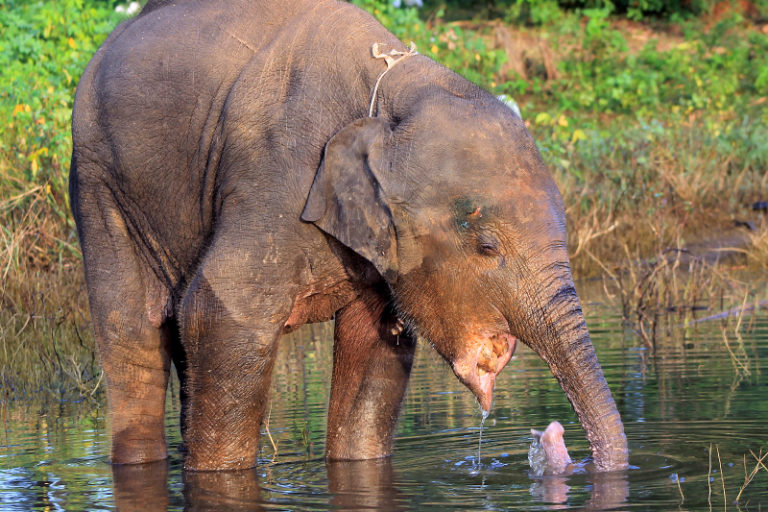
WASGAMUWA, Sri Lanka — Elephant calves arriving at dusk to drink at the Weheragala reservoir tank in Wasgamuwa National Park can be particularly playful. But one day in September 2020, a lonely young elephant was spotted exhibiting uneasy behavior. After all the other members of its herd had gone back to the wilderness to retire for the night, this calf remained in the water. It appeared exhausted, and a closer inspection revealed why: its mouth had been severely mutilated, with saliva coming out of the swollen wounds. Unable to eat or drink, the calf died the next day.
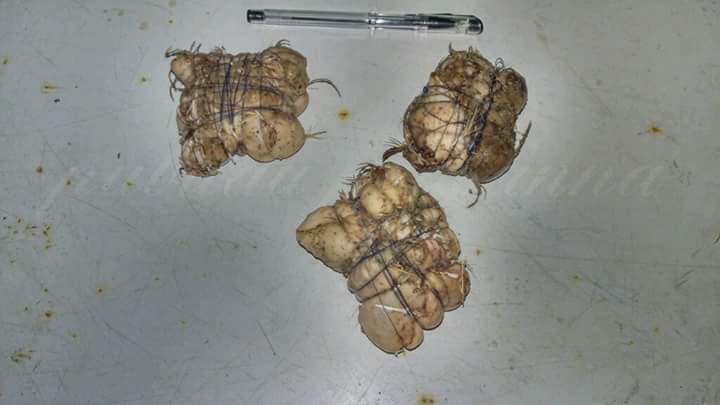
This young elephant was yet another victim of “jaw bombs” — an improvised explosive device concealed in fodder bait that detonates when bitten. Its local name is hakka patas: jaw exploder.
Hakka patas are typically targeted at wild boars and other wildlife for bushmeat, which they kill instantly. Elephants are much bigger, so while the explosives don’t kill them right away, they inflict gruesome mouth injuries and a long-drawn-out death from infection or starvation.
The first reported cases of Sri Lankan elephants (Elephas maximus maximus) killed by hakka patas came in 2008. A decade later, these explosives have become the number one killer of this endangered species. Sri Lanka has consistently recorded more than 200 elephant killings a year for the past three years, one of the highest rates per capita of any country with a wild elephant population.
Jaw bombs, or hakka patas, used by hunters and farmers mainly to catch crop-destroying wild boars, have now become the leading cause of elephant deaths in Sri Lanka. Image courtesy of the Department of Wildlife Conservation./Mongabay
Easy-to-make explosives
The elephant calf at the Weheragala reservoir last year was the first reported case of a hakka patas being used in Wasgamuwa National Park, an ostensibly protected area. So the Sri Lanka Wildlife Conservation Society (SLWCS), an NGO that works closely with villagers to help minimize human-elephant conflict, sought to explore a little more this now-dominant threat to the country’s elephants.
“We conducted covert investigations and found that some farmers have started to use this horrible method of killing animals since June and July of 2020” said Ravi Corea, founder and president of the SLWCS.
Corea and his team tried to identify the perpetrators and raise awareness among villagers to discourage them from resorting to this inhumane method of dealing with elephants. But over the course of the next year, more elephants fell victim to the jaw bombs, showing an increase in the use of the explosive bait.
Hakka patas are easy to make. Gunpowder is mixed with gravel and metal scraps that serve as the shrapnel, and the mixture is tightly packed together. It’s then balled up with fodder and left in areas frequented by animals.
“As the trade in wild boar meat has become a huge business in some of the villages around Wasgamuwa, it also has become the most common meat consumed by villagers” Corea told Mongabay.
Corea learned through SLWCS’s local network that the explosive baits are manufactured by just a few people in the area, who sell them for around 1,500 rupees ($7.50) apiece.
Pop pop crackers, the kind that explode when thrown against a hard surface, provide the ideal ingredient that make jaw exploders work, says SLWSC researcher Chandima Fernando. In Sri Lanka, firecrackers are mainly used in April for the traditional Sinhala-Hindu New Year celebrations take place, and villagers typically keep a few packets on hand throughout the year to shoo away crop-raiding elephants and other wildlife.
But the widespread availability of pop pop crackers now means it’s easy for anyone in the community to make jaw bombs, Fernando said.
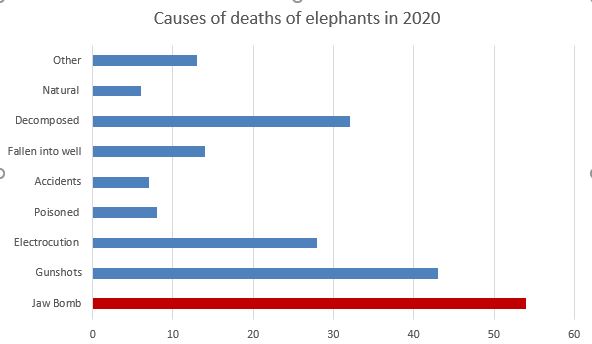
Out of a total of 323 elephant deaths in 2020, 54 were caused by jaw bombs, the main cause of elephant killings in Sri Lanka. Graph by Malaka Rodrigo./Mongabay
The hunters
“Villagers know who the hunters in the area are and who sets the jaw bombs,” says Deepani Jayantha, a community worker from the Hambegamuwa community near Udawalawe National Park, a known hotspot for poachers. The community was struck by tragedy in 2016 when a 10-year-old boy was killed when a hakka patas that he found while playing exploded.
The hotspot for hakka patas use against elephants appears to be Anuradhapura in Sri Lanka’s North Central province, along with parts of Eastern province. The Galgamuwa region in Anuradhapura is particularly famous for its dense elephant population. Susantha Punchi Banda, not his real name, is known within the community here for his ability to make potent jaw exploders.
“I’ve been hunting using this method for nearly 10 years” Banda told Mongabay. “I set up jaw bombs inside the forest patch at the edge of the village and collect the victims later. After making the explosives, we cover it with dried fish particles and this draws the wild boars. There are instances that other animals also bite on these explosives, including the occasional jackal.”
Banda said he was not aware of any elephants taking his bait, “but I have seen a number of elephants suffering due to biting on jaw bombs set up by others, as our village is full of hunters like me.”
He added, “I feel sorry for the elephants as they do not die instantly like other animals, but it is the fate of the beast.”
Banda used to hunt wildlife with a gun, before a colleague taught him how to make hakka patas, a method he found much easier for hunting.
“It is dangerous and if the device gets unnecessarily crushed, it can prove disastrous,” Banda said, recalling an instance when one of his colleagues lost fingers while trying to make a jaw exploder.
“It is not hard to learn, but I do not teach others. Those who hunt know how to make it, but farmers come to buy jaw exploders from me to protect their crop,” he said.
Banda also said that some farmers deliberately target elephants with jaw bombs, often out of a vengeful response from extensive damage to their crops or home. The bait of choice when targeting elephants is a pumpkin, he added.
The jaw bomb detonates when bitten. Elephants that survive the blast die a slow and painful death from either infected wounds or starvation because they can no longer eat or drink. Image courtesy of the Department of Wildlife Conservation./Mongabay
Source of explosives
Hakka patas only get attention when elephant deaths are reported, but plenty of other wildlife fall victim to these explosives, largely unnoticed, according to veterinary surgeons at the Department of Wildlife Conservation (DWC).
Due to the widespread use of hakka patas, some environmentalists say it’s possible the jaw bombs are being manufactured for commercial purposes centrally and distributed throughout Sri Lanka through a covert network, though there’s no evidence yet to substantiate this allegation.
What is known is that hakka patas are made by a handful of people at the local level and sold on order, which means the industry could be considered a commercial enterprise at the local level, Corea said.
If they were manufactured in factories and sold covertly through secret networks, then these factories would most likely be linked to fireworks manufacturers or people who work for them, given the need for a reliable supply of gunpowder.
For now, there’s no evidence of any such practice.
But conservationists warn that with the COVID-19 pandemic bringing the fireworks industry to a grinding halt, it’s possible that job losses in the industry might push some people to transfer their skills into producing jaw exploders. The risk is always there, they warn, which underscores the need for better surveillance.
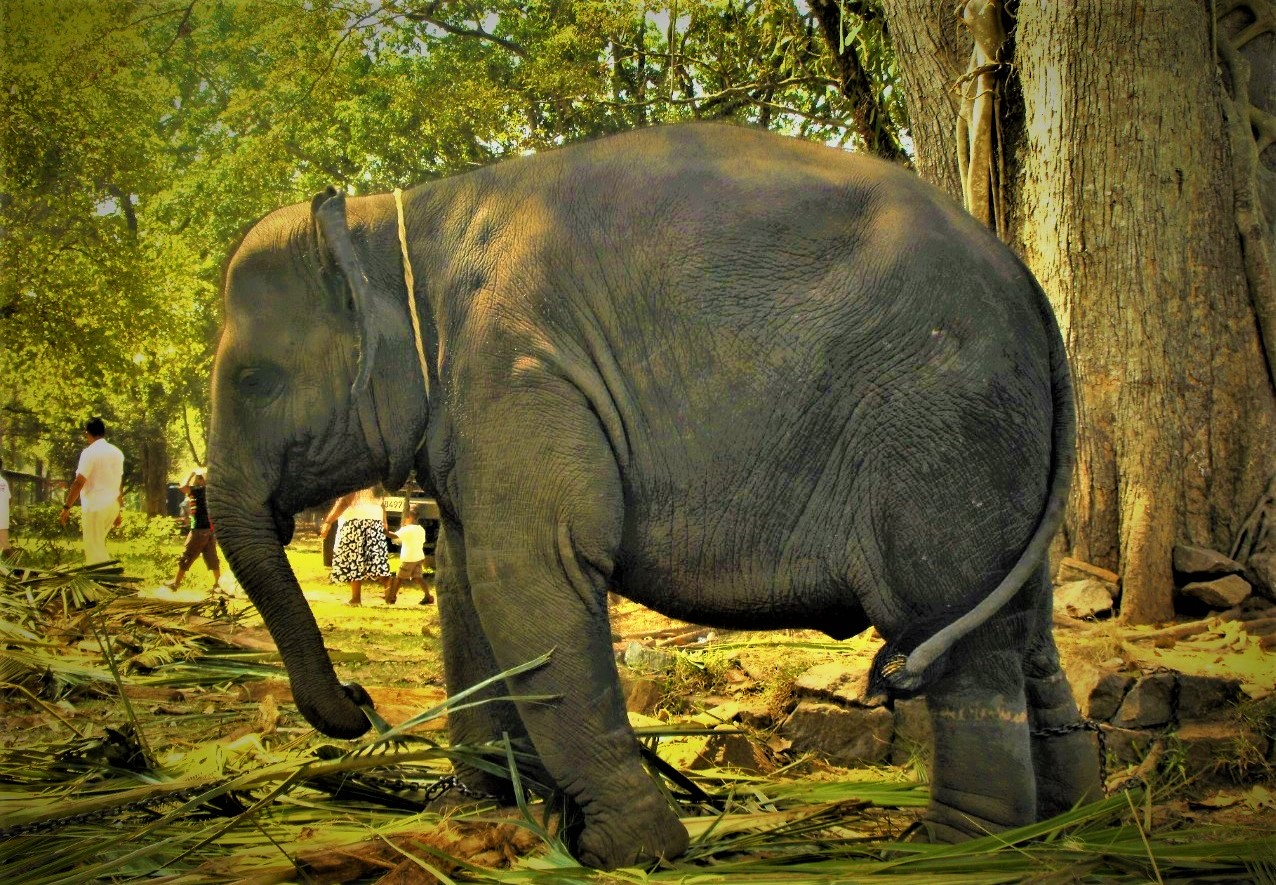
Banner image of a young elephant, the first reported victim of a jaw bomb in Wasgamuwa National Park, a protected area, courtesy of Chandima Fernando.
This story was produced as part of a journalism fellowship under CIR’s ‘Stories from the Margins” initiative supported by the Earth Journalism Network (EJN) and Internews. It was originally published in Mongabay.
When the war came to an end, there was an expectation that women will be able to pursue peace, secure their rights and seek justice.
Many reasons keep women down in post-war Sri Lanka including the lack of inclusion, a safe environment that helps us move forward and economic stability in the former conflict zones. When the socio-cultural context is not conducive, there is no space for women to make decisions on their own.
“Some 12 years after the war, our future is unclear and no change has taken place despite serious attempts to create awareness,” says Jeyavadhani Anton Roy, the senior project manager with the Social Activity Center in Jaffna.
Anton Roy was among the five guests who joined ‘Bharathy’ on DAN TV, a special program designed to communicate via national television the impacts of violent extremism by highlight grassroot experiences.
She highlighted how women are still left behind and how demanding of sexual bribes and exploitation are preventing women from utilising the limited opportunities to move forward and resume life.
“Bharathy’ was conceptualised and designed by the Center for Investigative Reporting (CIR) and telecast over Dan TV. The five-part discussion series looked at the prevalence of online hate and mis/disinformation and conflict through a gendered lens. This initiative was supported by UNDP Sri Lanka and the European Union.
Conservationists have slammed a move by a Sri Lanka court to return 14 endangered elephants to the suspected traffickers they were originally seized from in 2015.
The elephants are part of a group of 38 confiscated by the Department of Wildlife Conservation following an investigation that revealed the widespread kidnapping of elephant calves from the wild for use in cultural events, tourism attractions, and even just as status symbols.
The release, ordered by a court this past September, has been criticized as a “move to regularize theft,” with conservationists alleging the influence of the “elephant mafia” pervades the highest ranks of power in government and politics.
Today, there are 210 elephants in captivity in Sri Lanka: 102 in state-owned facilities, and the rest held by private keepers, including high-profile individuals and Buddhist clergy.
UDAWALAWE, Sri Lanka — Environmental activists in Sri Lanka have slammed a court order releasing endangered elephants into the custody of individuals suspected of involvement in their illegal capture and trade.
Thirty-eight captive Sri Lankan elephants (Elephas maximus maximus) were taken into the custody of the state in 2015 following an investigation that uncovered a trafficking racket targeting baby elephants born in the wild. On Sept. 6 this year, however, acting on a request from the Attorney General’s Department, a court has ordered 14 of the elephants to be released back to their keepers — the same people they were confiscated from six years ago on trafficking suspicions and who remain under investigation.
“Illegal catching of elephant calves from the wild is the most hideous wildlife crime in Sri Lanka, and we are extremely concerned about how things are unfolding,” said environmental lawyer Jagath Gunawardana. He added there was a lot of ambiguity surrounding the circumstances in which the elephants were released.
The owners retook possession of the elephants the day after the court order, which the Centre for Environmental Justice (CEJ), a leading NGO, has now filed a case against.
A recent study identifies 55 cases of elephant abductions in Sri Lanka. This calf found in 2009 in the southern town of Balangoda died a few days later. Image courtesy of Sajeewa Chamikara./Mongabay
‘Regularizing theft’
Activists see this latest development in the case as part of wider moves by those in power to effectively whitewash the provenance of captive elephants in Sri Lanka, where taking the animals from the wild has been illegal since 1980.
The AG’s request for the elephants to be returned to the owners followed the issuance of a government gazette on Aug. 19 that effectively loosened the requirements for keeping captive elephants. Under the Fauna and Flora Protection Ordinance (FFPO), possession of an elephant requires a license issued by the Department of Wildlife Conservation (DWC). But the gazette introduced provisions allowing elephants kept without a license to be registered without this paperwork.
“Bringing in a regulation to register those elephants without proper registration during the pendency of a court case being heard is a move to regularize theft,” Gunawardana told Mongabay.
Sujeewa, shown here in 2012, was taken from the wild when she was about 3 years old. She is now 15 years old and has recently given birth. Image courtesy of Sajeewa Chamikara./Mongabay
Beasts of burden and status
In Sri Lanka, captive elephants have been an integral part of cultural events for centuries, and are today a popular tourist attraction, including in elephant safaris, where visitors ride on the endangered species.
Up until 1980, the government allowed elephants to be caught from the wild. Since then, the Pinnawala Elephant Orphanage (PEO), which also runs a successful captive-breeding program, has become the main source for Sri Lanka’s demand for captive elephants.
Today, there are 210 elephants in captivity in Sri Lanka. Of these, 102 are in state-owned facilities, and the rest are held by private keepers, including high-profile individuals and Buddhist clergy.
Private owners generally keep elephants for one of two reasons: for work, or for status. Elephants under the former category are trained to participate in cultural events, tourist activities, and are even used for logging activities. Those in the latter category are kept as a symbol of prestige and class. In both cases, the demand for captive elephants clearly exists, and it’s this that drives the abduction of baby elephants from the wild, conservationists say.
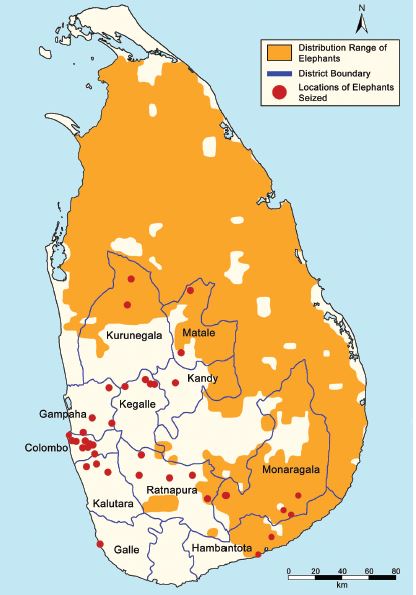
This map shows the locations from where 38 captive elephants were confiscated in 2015 after they were found to have been illegally removed from the wild by traffickers. Image courtesy of Supun Lahiru Prakash./Mongabay
Baby elephants out of the blue
Signs that an organized elephant-trafficking racket was at work emerged after 2008, as calves started to appear at various cultural events. Sri Lanka didn’t have a breeding program among the privately held elephants, and there were no records of elephant births within this population, so environmentalists began suspecting something wasn’t right.
At the same time, isolated incidents of illegally kept baby elephants began being reported from different parts of the country. A covert year-long investigation by a group of environmentalists, including Sajeewa Chamikara, resulted in the publication of a list of 23 elephant calves suspected to have been illegally taken from the wild in 2013. A study analyzing the period from 2008 to 2018 revealed 55 instances of baby elephants being snatched from the wild.
“Even under proper facilities, there are mortalities of nearly 40% of orphaned baby elephants, so in the process of illegally acquiring elephants, minimum facilities would result in a much higher mortality rate, indicating that victims of this ongoing wildlife crime being much higher in number,” said Supun Lahiru Prakash, lead author of the study.
Elephant herds, especially the mother elephant, are very protective of calves. This suggests it’s highly likely that the traffickers kill the mother elephant to get the calf, Chamikara told Mongabay.
But even if a calf survives such an encounter, it’s still not out of danger. The Udawalawe Elephant Transit Home (ETH) in southern Sri Lanka takes in and cares for orphaned calves, rehabilitating them so that they can eventually be released back into the wild. Upon release, they’re still vulnerable to traffickers, and researchers are now studying whether these elephants too are being targeted for kidnap.
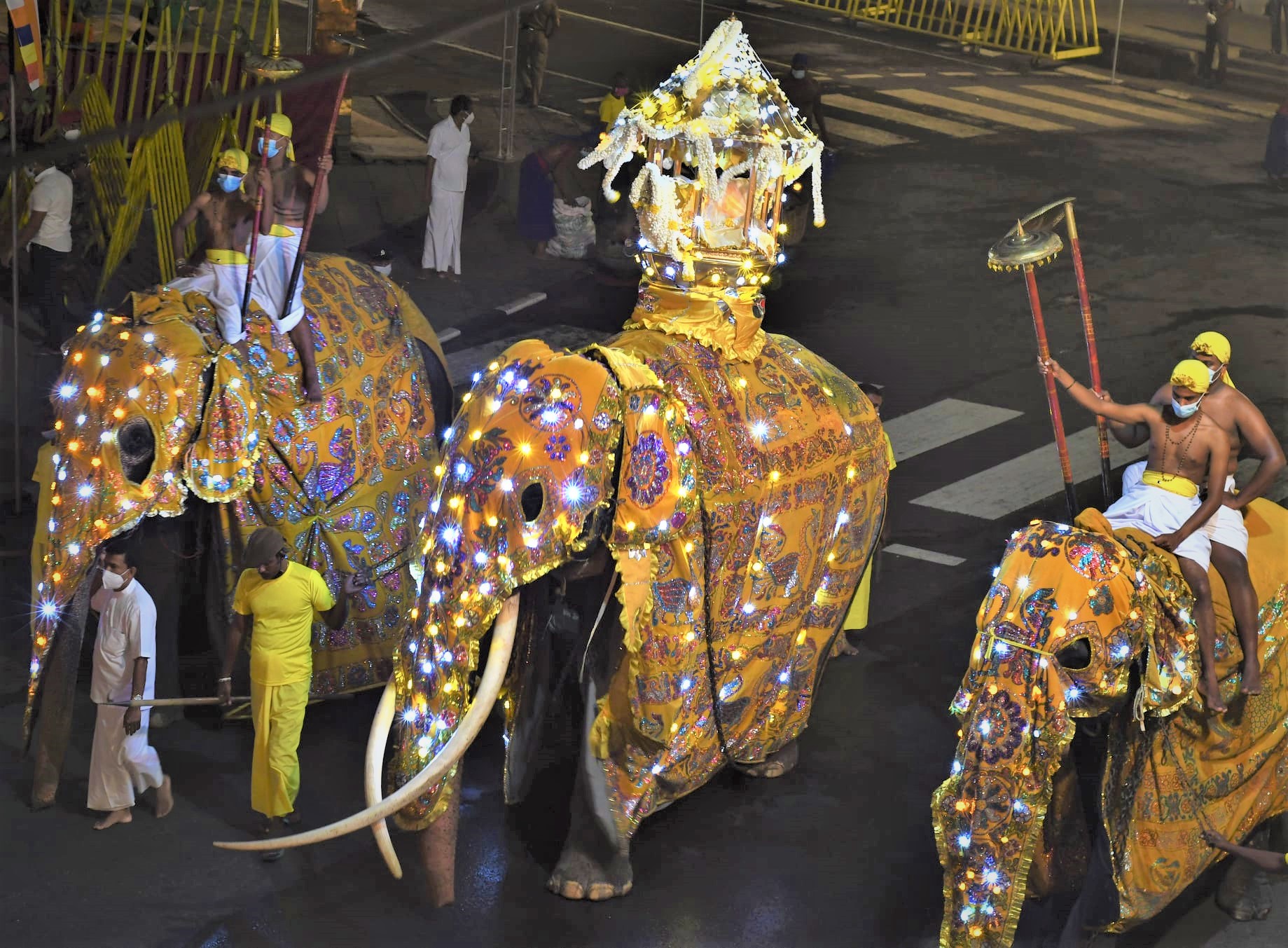
Captive elephants are an integral part of Sri Lanka’s cultural events and are regularly used in Buddhist religious processions to carry caskets bearing relics. Image courtesy of Dilsiri Welikala./Mongabay
‘Elephant mafia’
Politicians, high-ranking officials, wildlife officers, and even trained veterinary surgeons are linked to the elephant trafficking racket, which has the blessings of top leaders, says Rukshan Jayawardene, a conservationist.
As all captive elephants must be registered with the DWC, the elephant registry is a starting point to investigate the trafficking racket. But in 2015, this elephant registry went missing for several weeks. When it reappeared, some of the entries had been destroyed or amended — evidence, conservationists say, of the influence wielded by this “elephant mafia.” Given half a chance, they will do this again, Jayawardene said.
After the 2015 investigation that led to the state seizing the 38 elephants, there was considerable pressure on the DWC to get the elephants released back to their keepers.
Sumith Pilapitiya, who was the director-general of the DWC for a short period in 2016, said the country’s top leaders wanted him to request a court order for the release of the animals from DWC custody.
“As the head of the national agency dedicated to wildlife conservation, it was not my responsibility to ensure adequate elephants are available at various cultural events,” he told Mongabay. “My job was to conserve wildlife and ensure baby elephants were not illegally captured from the wild. I flatly refused to pursue the suggested path.”
These elephants, now juveniles, have lived in isolation for more than six years, with minimum human intervention to improve the chances of a successful return to the wild. If the traffickers have their way and the elephants are instead returned to captivity, the outcome would be devastating, says Panchali Panapitiya of the advocacy group Rally for Animal Rights & Environment (RARE). Having grown “wilder” in isolation, getting them back into a state of docility will require the use of brutal tactics to crush their spirit and “retrain” them, she said.
Citation:
Prakash, S. L., Indrajith, W. A., Aththanayaka, A. M., Karunarathna, S., Botejue, M., Nijman, V., & Henkanaththegedara, S. (2020). Illegal capture and internal trade of wild Asian elephants (Elephas maximus) in Sri Lanka. Nature Conservation, 42, 51-69. doi:10.3897/natureconservation.42.57283
Banner image of elephant calves that were taken from the wild, courtesy of Sajeewa Chamikara.
This story was produced as part of a journalism fellowship under CIR’s ‘Stories from the Margins” initiative supported by the Earth Journalism Network (EJN) and Internews. It was originally published in Mongabay.
2011 ஆம் ஆண்டில், தி நியூயார்க் டைம்ஸ் பத்திரிகை (The New York Times) ட்ரோன் (Drone) ஊடகவியலின் வருகையை அறிவித்தது. செய்தி அறைகள் ட்ரோன்களைப் பயன்படுத்தத் தொடங்கி இருந்ததுடன் ஊடகவியலாளர்கள் கலந்துகொள்வதற்கு கடினமான நிகழ்வுகளான – ஆர்பார்ட்டங்கள் மற்றும் சுற்றுச்சூழல் பேரழிவுகள் பற்றிப் பாதுகாப்பாகப் அறிக்கையிட இது மிகவும் உதவியது. அப்போது ட்ரோன் பற்றிய நல்ல அபிப்பிராயம் இருந்ததுடன் அது பேசு பொருளாகவும் விளங்கியது.
தகவல்தொடர்பு ஊடகங்கள் தொடர்பான ஆய்வாளர்களான லிசா பார்க்ஸ் (Lisa Parks ) மற்றும் கேரன் கப்லான் ( Caren Kaplan )குறிப்பிடுவது போல், செய்தி ஊடகங்கள் ட்ரோன் தொடர்பில் கிட்டத்தட்ட தீராத பசியைக் கொண்டிருந்தன. இதே நேரம் ஆளில்லா விமானங்கள் எரிமலைகளுக்குள் பறக்கும் புதுமையைக் கொண்டாடும் அதேவேளை ட்ரோன்கள்உள்ளூர் இடங்களை ஆக்கிரமிப்பதைப் பற்றிய பீதியும் காணப்பட்டது.
செய்தி ஊடகங்கள் ட்ரோன்களைப் பயன்படுத்தி பொதுமக்களுக்கு சிறப்பாகத் தகவல்களை தெரிவிக்க முடியுமா? இதன் பாவனையானது புதிய தரவுகளை பெற்றுக்கொள்ளவா அல்லது சிறிய ஆளில்லா விமானம் மூலம் வேறொரு இடத்தில் உண்மைச் சரிபார்ப்பைச் மேற்கொள்ளவா? வன்முறைக்கு இலக்காகக்கூடிய ஊடகவியலாளர்களை ட்ரோன்கள் மூலம் பாதுகாக்க முடியுமா? இது தொடர்பில் அப்போது அளவுகடந்த உற்சாகம் காணப்பட்டது ஆனால் ஒரு தசாப்தத்திற்குப் பிறகு, அந்த உற்சாகம் குறிப்பிடத்தக்களவு குறைந்து போனது.
2011 ஆம் ஆண்டு முதல் நெப்ராஸ்கா-லிங்கன் பல்கலைக்கழகத்தில் (University of Nebraska-Lincoln) ட்ரோன் ஜர்னலிசம் ஆய்வகத்திற்கு (Drone Journalism Lab) தலைமை தாங்கிய ட்ரோன் ஊடகவியலின் “பீடாதிபதி” என்று கருதப்படும் மாட் வெயிட்டின் (Matt Waite, the “de facto dean” of drone journalism) கூற்றுப்படி, ட்ரோன் ஊடகவியல் தற்போது ஸ்தம்பித்துள்ளது.
“நாங்கள் பல ஆண்டுகளுக்கு முன்பு ட்ரோன்களைப் பற்றிப் பேசியபோது, புகைப்பட ஊடகவியலுக்கு சிறந்த தளம் எங்களிடம் உள்ளது என்பது தொடர்பில் நிறைய எதிர்பார்ப்புக்கள் இருந்தன ” என்று வெயிட் கூறினார்.”அது நடந்தது. COVID-19 கொள்ளைநோய் தொற்று தொடர்பில் எடுக்கப்பட்ட மிகவும் நெகிழ்வான படங்களில் ஒன்று, உணவு விநியோகம், பரிசோதனை வசதிகள் மற்றும் தடுப்பூசியேற்றல் நிலையங்களுக்காக காத்திருந்த நீண்ட கார் வரிசைகள். அவைகள் ட்ரோன் கமாராக்கள் மூலம் எடுக்கப்பட்டன. அடுத்த கட்டத்திற்கு [ட்ரோன்களுடன்] செல்வோமா இல்லையா என்பதை இனித்தான் நாம் பார்க்க வேண்டும்,”
அவர்களின் ட்ரோன்கள் பற்றிய விமர்சனங்கள், எரிச்சலூட்டும் சலசலப்புக்கள் மற்றும் ஆக்கிரமிப்பான போக்குகள், செய்தி ஊடகங்களின் பலவீனங்களான சர்ச்சைக்குரிய விடயங்களாக மாற்றுதல் மற்றும் ஊடுருவுதல் போன்றவற்றை பிரதிபலிக்கின்றன. இதற்கு உதாரணமாக சமீபத்தில் ஜப்பானிய டென்னிஸ் வீராங்கனை நவோமி ஒசாகா (Naomi Osaka) பிரெஞ்சு ஓபன் டென்னிஸ் போட்டியில் பத்திரிகையாளர்களுடன் பேச மறுத்ததை எடுத்துக்காட்டலாம். “பொதுமக்கள் பெரும்பாலும் ட்ரோன்களை நம்புவதில்லை” என்று வெயிட் கூறினார்.
படம்: ஸ்பானிய தீவான மல்லோர்காவில் கடற்கரைக்கு செல்வோரின் ட்ரோன் மூலம் எடுக்கப்பட்ட இப்படத்தைபோல மனிதர்களால் எளிதில் அணுக முடியாத இடங்களிலிருந்து வான்வழி புகைப்படங்களை எடுக்க ட்ரோன்கள் பெரும்பாலும் பயன்படுத்தப்படுகின்றன. ஆனால் அவற்றைக்கொண்டு இன்னும் நிறைய செய்ய முடியும். படம்: ஷட்டர்ஸ்டாக்( Shutterstock)
ட்ரோன் கமெரா மூலம் எடுக்கக்கூடிய அகலக்காட்சிகள்(Panoramic Shots)
2021 ஆம் ஆண்டில், ட்ரோன்களின் மிகவும் பொதுவான பயன்பாடு காணப்படுவது புகைப்பட ஊடகவியலிலாகும். புகைப்பட ஊடகவியலாளரின் கேமரா பையில் காணப்படுகின்ற ரிமோட் கண்ட்ரோல் லென்ஸாக (remote controlled lense) ட்ரோன்கள் செயல்படுகின்றன.
“மேலே இருந்து வான்வழியாக எடுக்கப்படும் காட்சி ஒரு எளிய நிகழ்வுக்கு சினிமாக் கண்ணோட்டத்தைக் கொண்டுவருகிறது” என்று இஸ்ரேலிய நாளிதழான ஹாரெட்ஸின் (Haaretz) புகைப்படக் கலைஞரான டோமர் அப்பெல்பாம் (Tomer Appelbaum) கூறினார்.
2020 ஆம் ஆண்டில் இஸ்ரேல் பிரதமர் நெத்தன்யாகுக்கு எதிராக டெல் அவிவில் (Tel Aviv) சமூக இடைவெளியுடன் கூடியதாக நடத்தப்பட்ட எதிர்ப்புப் போராட்டங்களின் வான்வழி படக்காட்சிக்காக அப்பெல்பாம் சியனா (Siena award) விருதை வென்றார்.
புகைப்பட ஊடகவியலுக்கு ட்ரோன்கள் பயன்படுத்தப்படுவதில் ஆச்சரியமில்லை; ஊடக நுகர்வு காட்சிகளை மையமாக நோக்கி சென்று கொண்டிருக்கின்றது என்று தொழில்நுட்பங்கள் மற்றும் சமூகங்கள் தொடர்பில் ஆராயும் மிச்சிகன் மாநில பல்கலைக்கழகத்தின் (Michigan State University) STEM ஆசிரியர் பேராசிரியர் மரிசா பிராண்ட் (Marisa Brandt) கூறினார்.
“படப்பிடிப்புக்கு தகுதியான மற்றும் குறிப்பிடத்தக்க படங்களை [ட்ரோன்கள் மூலம்] பெறுவது மிகவும் நல்லது,” என்று அவர் கூறினார். “இத்தொழில்நுட்பமானது, தாமாகவே சுயமான நிலையை விபரிக்கும் படக்காட்சிகளை உருவாக்க இடமளிக்கிறது. மேலும் இது விளக்கம் கோரும் விடயங்களை விட, அதிகமுறை பார்க்கப்படுவதாகவும் இருக்கின்றது,”
இங்கு வேறு சில கதைகளும் உள்ளன. தரவுகளைக்கொண்டு கட்டமைக்கப்பட்ட செய்திக்கதைகளை கூறுவதற்கு ட்ரோன்கள் ஊடகவியலாளர்களுக்கு உதவும். வெப்பநிலையை கண்காணிக்கும் மேப்பிங், 3-டி நிலப்பரப்பு மேப்பிங், உணர்வு மாசுபாடு அல்லது கட்டிடங்களின் 3-டி மாடல்களை உருவாக்க ட்ரோன்களைப் பயன்படுத்துவது போன்றவை ஊடகவியலாளர்களுக்கு சிறந்த சந்தர்ப்பமளிக்கும் விடயங்கள் என்று வெயிட் கூறினார்.
ஆயிரக்கணக்கான சதுர மைல்களுக்கு அப்பால் உள்ள பழங்கால புராதன இடங்களை ஆளில்லா விமானத்தால் உருவாக்கப்பட்ட லிடார் (lidar) வரைபடங்களுடன் கண்டறிய, லேசர்கள் பொருத்தப்பட்ட ட்ரோன் விமானங்களை அறிஞர்கள் மற்றும் ஊடகவியலாளர்கள் பயன்படுத்தி வருவது குறித்து நியூயார்க் டைம்ஸ் செய்தி வெளியிட்டுள்ளது.
மேலும் வெயிட் கூறியது என்னவென்றால், அவர் எதிர்பார்த்ததை விட குறைவான முயற்சிகளே இதுவரை மேற்கொள்ளப்பட்டுள்ளன. சென்சார் பொருத்தப்பட்ட ட்ரோன்களைப் கையாள்வது தொடர்பில் கற்றுகொள்வதற்கு , சிறப்பு உபகரணங்கள் மற்றும் மேலதிக அறிவு தேவைப்படுகிறது. சில வேளைகளில் அத்தகைய ட்ரோன்கள் மிகவும் விலையுயர்ந்ததாக இருப்பதோடு, சில நேரங்களில் கொள்வனவு செய்ய முடியாத அளவுக்கு அவற்றின் விலைகள் அதிகரித்துள்ளன. “அத்தகைய பாரிய முதலீடென்பது பல செய்தி அறைகள் மற்றும் சுதந்திர ஊடகவியலாளர்களுக்கு சாத்தியப்படமுடியாததாக இருக்கலாம்” என்று வெயிட் கூறினார்.
நாம் இன்னும் அனைத்தையும் இழக்கவில்லை. விமர்சன ரீதியான தரவு சார் ஊடகவியலை முன்னோக்கி கொண்டு செல்வதற்கு, ஊடகவியலாளர்கள் மற்றும் செய்தி அறைகள் ட்ரோன்கள் அல்லது ட்ரோன் தொழில்நுட்பத்தைப் பயன்படுத்தும் பொறிமுறைகளளுக்கான வழிகள் உள்ளன.
இருண்ட தோற்றம்: ட்ரோன்களின் சுருக்கமான வரலாறு
கடந்த கால் நூற்றாண்டு காலமாக ட்ரோன்கள் அவற்றின் கவர்ச்சிகரமான வடிவமைப்பு, மற்றும் கணணி விளையாட்டுக்களின் (Computer games) அழகியல் தன்மை காரணமாக, ரிமோட் கண்ட்ரோல் மூலம் இயக்கும் விமானப் பொழுதுபோக்காளர்கள் மத்தியில் வெகு பிரபலமாக இருந்தன.
கண்காணிப்பு, இராணுவ உளவு மற்றும் இலக்கு வைத்து படுகொலை செய்தல் போன்ற செயற்பாடுகளுக்காகவே முதலில் ட்ரோன்கள் உருவாக்கப்பட்டமை என்பதை ஊடகவியலாளர்கள் முதலில் நினைவில் கொள்ள வேண்டும்.
The Bureau of Investigative Journalism என்ற நிறுவனம் சேகரித்த தரவுகளின்படி, 2010-2020 வரையான காலப்பகுதியில் பாகிஸ்தான், ஆப்கானிஸ்தான், சோமாலியா மற்றும் ஏமன் உள்ளிட்ட நாடுகளில் ஆயிரக்கணக்கான மக்களை கண்காணிக்க, காயப்படுத்த அல்லது கொன்று குவிக்க அமெரிக்கா ட்ரோன்களை பயன்படுத்தியுள்ளது தெரிய வந்துள்ளது.
இதற்கிடையில், NPR எனப்படும் National Public Radio வானொலி சேவை, முதல் முறையாக 2021 ஜூன் தொடக்கத்தில், லைபீரியாவில் இயக்குனர் ஒருவரின் மேற்பார்வையின்றி தானியங்கும் முறையில் செயற்படும் ட்ரோன் கருவி ஒன்று மனிதனைக் கண்டுபிடித்து கொன்றதாக கூறப்படும் குற்றச்சாட்டை ஐக்கிய நாடுகள் சபை விசாரித்து வருவதாக அறிவித்தது.
இது தொடர்பில் கண்காணிப்பு உள்கட்டமைப்பு விடயங்களில் நிபுணரும், சாண்டா பார்பராவின் கலிபோர்னியா பல்கலைக்கழகத்தின் (University of California, Santa Barbara) புகழ்பெற்ற பேராசிரியருமான பார்க்ஸ் (Parks) இவ்வாறு எழுதுகிறார். மில்லியன் கணக்கான மக்களுக்கு, ” அவர்களின் அன்றாட வாழ்க்கை என்பது வான்வழியான கண்காணிப்பு மற்றும் குண்டுவீச்சு போன்றவற்றால் அச்சுறுத்தலுக்கு உள்ளாக்கப்பதுவதாக இருந்தது”
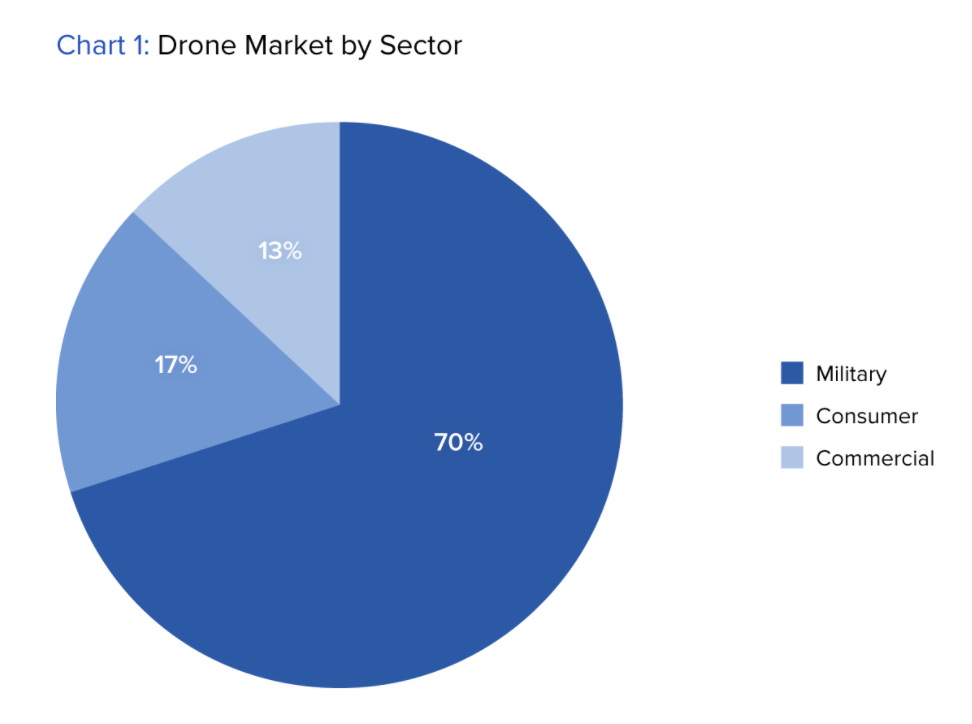
வணிக ரீதியான ட்ரோன்கள் சந்தையில் குறைவாகவே உள்ளன, ஆனால் அவை வருவாயின் பெரும்பகுதியினை ஈட்டுகின்றன என்று கோல்ட்மேன் சாக்ஸ் (Goldman Sachs) குறிப்பிடுகிறது. படம்: திரையை படம்பிடிக்கப்பட்டது (Screenshot)
கடந்த தசாப்த காலத்தில்தான் ட்ரோன்கள் வணிக மற்றும் தனியார் துறைகளில் குறிப்பிடத்தக்க சந்தைப் பங்கைப் பெற்றுள்ளன. கோல்ட்மேன் சாக்ஸ் (Goldman Sachs) அதன் மதிப்பு சுமார் $100 பில்லியன் அமெரிக்க டொலர் என்று கூறுகிறது.
உலகளவில், ஆளில்லா வான்வழி வாகனங்கள் (Unmanned Aerial Vehicles -UAV) அல்லது ஆளில்லா வான்வழி அமைப்புகளின் (Unmanned Aerial Systems UAS) மிகப்பெரிய நுகர்வோர் தளமானது இராணுவம் மற்றும் சட்ட அமலாக்க முகவரமைப்புகளிலும் அதனைத்தொடர்ந்து விவசாயம் மற்றும் கட்டுமானத்துறையில் உள்ளது.
அறிவியல் புனைகதைகளை விட கண்காணிப்புத்துறை மிகவும் சாதாரணமானதாகத் தோன்றினாலும், அதற்கு காரணம் 21 ஆம் நூற்றாண்டின் ஆரம்பத்தில் கண்காணிப்புகூட அன்றாட வாழ்க்கையின் சாதாரண அம்சமாக இருப்பதேயாகும்.
இணையத்துடன் இணைக்கப்பட்டுள்ள குழந்தை கண்காணிப்பு கருவிகள் முதல் கையடக்க தொலைபேசி கண்காணிப்பு கோபுரங்கள் வரை, உள்நாட்டு சந்தைக்கு கொண்டு வரப்பட்ட போர் தொழில்நுட்பங்களில் ட்ரோன்களும் அடங்கும், ” இதுஅன்றாட வாழ்க்கையில் இராணுவமயமாக்கலை மிகவும் தீவிரப்படுத்துகிறது” என்று பார்க்ஸ் எழுதுகிறார்.
ட்ரோன் தரவுகள் மூலம் உங்கள் கதைகளை மேலும் மெருகேற்றுங்கள்
இந்த யதார்த்தத்தை ஊடகவியலாளர்கள் நேருக்கு நேர் எதிர்கொள்ள முடியும். சட்ட அமுலாக்கம், கட்டுமானம் அல்லது காப்பீட்டு நிறுவனங்கள் உள்ளிட்ட பிற துறைகளால் சேகரிக்கப்பட்ட உள்நாட்டு ட்ரோன் காட்சிக்கோப்புக்களை தேடுவதன் மூலம் இதனை தொடங்கலாம்.
2020 வசந்த காலத்தில் அஹ்மத் ஆர்பெரி (Ahmaud Arbery), ஜார்ஜ் ஃபிலாய்ட் (George Floyd) மற்றும் ப்ரோனா டெய்லர் (Breonna Taylor) ஆகியோரின் மரணத்தைத் தொடர்ந்து, பாதுகாப்பு அதிகாரிகள் ஆர்ப்பாட்டங்களைக் கண்காணிக்க ட்ரோன்களை பறக்கவிட்டனர். ட்ரோன் காட்சிக்கோப்புக்களை அடிப்படையாக கொண்ட WFPL இன் புலனாய்வானது, ஆர்ப்பாட்டக்காரர்களின் முன் தூண்டுதலின்றி போலீஸ் தனது பலத்தை பிரயோகிப்பதை எடுத்துக் காட்டியது. விதிவிலக்காக ஒரு ஆர்பார்ட்டக்காரர் மேலே உள்ள ட்ரோனை நோக்கி ஒரு தண்ணீர் பாட்டிலை எறிந்த போது, போலீசார் அதை நோக்கி மிளகு ஸ்பிரே ரவைகளைக்கொண்டு சுட்டனர். “அது மிகவும் வேடிக்கையாக இருந்தது,” என்று ஒரு போலிஸ் அதிகாரி கூறும் குரலடங்கிய அரிய காட்சி கோப்பு ஒன்றும்கூட இதில் உள்ளடங்கியிருந்தது.
ஆளில்லா விமானங்களை மக்கள் குழுக்கள் மீது பறக்கவிடாமல் அமெரிக்கா மற்றும் ஐரோப்பாவில் உள்ள பெரும்பாலான செய்தியறைகள் தடுக்கப்பட்டுள்ளன. 2020 இன் பிற்பகுதியில், அமெரிக்காவில் உள்ள Federal Aviation Administration (FAA) வணிகரீதியாக பயன்படுத்தப்படும் ட்ரோன் கருவிகளை இரவில் பறக்க அனுமதிக்கும் புதிய வழிகாட்டுதல்களை வெளியிட்டது.
இருப்பினும், அமெரிக்கா, ஐரோப்பிய ஒன்றியம் (European Union) மற்றும் ஐக்கிய இராச்சியத்தில் (United Kingdom) உள்ள தகவல் சுதந்திரச் சட்டங்களின் மூலம் தகவல் கோரிக்கைகளைப் (Information Requests) பயன்படுத்தி, சட்ட அமுலாக்கல் பிரிவு போன்ற மாநில கூட்டாட்சி அரச நிறுவனங்களினால் எடுக்கப்பட்ட ட்ரோன் காட்சிக்கோப்புக்களை ஊடகவியலாளர்கள் பெற்றுக்கொள்ள முடியும்.
மேலும், ஊடகவியலாளர்கள் ட்ரோன்களைப் பயன்படுத்துவதை விட செயற்கைக்கோள் படங்களைக் கோரலாம். 2015 ஆம் ஆண்டில், அசோசியேட்டட் பிரஸ் (Associated Press) செய்திச்செவையின் புலனாய்வு நிருபர்கள் டிஜிட்டல் குளோப்- DigitalGlobe (இப்போது Maxar) எனப்படும் செயற்கைக்கோள்களைப் பயன்படுத்தி, சரக்குக் கப்பல்கள் மியான்மரில் இருந்து அடிமைப்படுத்தப்பட்ட மனிதர்களை கடத்திச் சென்று அவர்களை மீன்பிடிக்க கட்டாயப்படுத்துகின்றன என்பதற்கான ஆதாரங்களை சேகரித்தனர். பின்னர் புலிட்சர் பரிசு பெற்ற “நீங்கள் வாங்கும் மீனை அடிமைகள் பிடிக்கிறார்களா?” (“Are Slaves Catching the Fish You Buy?”)என்ற தலைப்பிலான புலனாய்வு அறிக்கையிடலுக்கு இந்தத் தரவு பயன்படுத்தப்பட்டது. இவ்வறிக்கை வெளியீட்டிற்குப் பிறகு, 2,000 அடிமைகள் விடுவிக்கப்பட்டதுடன் இதுதொடர்பான விசாரணை அமெரிக்காவில் சீர்திருத்த முயற்சிகளை மேலும் ஊக்கப்படுத்துவதாக அமைந்தது.
பேரிடர் மற்றும் இயற்கை அனார்த்தங்கள் தொடர்பான அறிக்கைக்கான தரவுகளையும் செயற்கைக்கோள்கள் மூலம் பெற்றுக்கொள்ள முடியும். குவார்ட்ஸ் இதழின்(Quartz) டேவிட் யானோஃப்ஸ்கி (David Yanofsky ) கலிபோர்னியா வறட்சியின்போது செயற்கைக்கோள் படங்கள் மற்றும் தரவுகளைப் பயன்படுத்தி கிட்டத்தட்ட 100 வரைபடங்கள் மற்றும் அட்டவணைகளை உருவாக்கினார். ட்ரோன்கள் போல சிறியதாக இல்லாவிட்டாலும், செயற்கைக்கோள்கள் மூலம் குறைந்த முதலீட்டிற்கு உயர் மட்ட வளங்களை பெற்றுக்கொள்ள முடியும்.
ட்ரோன்கள் மிகவும் விலை உயர்ந்தவையாக இருப்பதுடன் அதனை கற்றுக்கொள்வதற்கு நேரம் எடுக்கும்
சில பொழுதுபோக்கு மாதிரிகளான ட்ரோன்களை புதிதாக வாங்க சில நூறு யூரோக்கள் மட்டுமே செலவாகும் அதேவேளை, நீண்ட பேட்டரி ஆயுள் கொண்ட வணிகரீதியாக பயன்படுத்தக்கூடிய ஒரு ட்ரோனிற்கு € 10,000 பவுண்ஸ் ($11,700 USD-அமெரிக்க டொலர்) க்கும் அதிகமாக செலவாகும். இவற்றிற்கு மேலாக, இதர உபகரண செலவுகள், கற்றல் மற்றும் உரிமம் போன்றவற்றிற்கு மேலதிக நேரம் தேவைப்படும்.
“ட்ரோன்களைப் பயன்படுத்துவது ஒரு சிறப்புத் திறன் ஆகும்,” என்று சுதந்திர ட்ரோன் ஆபரேட்டரான ஜானி மில்லர் (Johnny Miller) கூறுகிறார். அவர் Unequal Scenes என்ற தலைப்பிலான ட்ரோன்களைப் பயன்படுத்தி உலகளாவிய சமத்துவமின்மையினை எடுத்துக்காட்டும் தத்ரூபமான படங்களை வெளியிட்டார். இந்த புகைப்படங்கள் அமெரிக்காவின் டைம் இதழ்TIME Magazine போன்ற வெளியீடுகளில் பிரசுரிக்கப்பட்டுள்ளன.
மில்லர் தென்னாப்பிரிக்காவின் கேப் டவுனில் africanDRONE நிறுவனத்தை இணை –நிறுவனராக நிறுவியதுடன் Code for Africa என்னும் நிறுவனத்தில் பயிற்றுனர்களில் ஒருவராக (fellow) பணிபுரிந்து வருகிறார்.
“நீங்கள் ஒன்றுடன் ஒன்று தொடர்புபட்ட பல்வேறு திறன்களை இதற்காக கொண்டிருக்க வேண்டும்” என்று மில்லர் கூறினார். “காட்சிக்கோப்புக்களை உருவாக்குவதலிருந்து, உங்கள் பாதுகாப்பை உறுதிப்படுத்திக்கொள்ளுதல், சூழ்நிலை விழிப்புணர்வு என்பவற்றுடன் சிக்கல்கள் நிறைந்த ட்ரோன் பயன்பாட்டின் விளைவுகள் உண்மையானவையும்கூட.”
சிலவேளைகளில் சூழ்நிலைகள் சீக்கிரமாக எதிர்மறையாக மாற ஆரம்பிக்கலாம். பொதுவாக, ஒரு ஆளில்லா விமானத்தை இயக்கும் இயக்குனர், ட்ரோன்களை எப்போதும் தங்கள் பார்வையில் வைத்து கொள்வதோடு பாதுகாப்பாக தரையிறக்க கூடியதாக இருத்தல் வேண்டும். ஆரம்பநிலை வணிக ட்ரோன்களின் பேட்டரி ஆயுள் இருபது நிமிடங்கள் அல்லது அதற்கும் குறைவாக இருக்கலாம். மற்றொரு பத்திரிகையாளரின் ட்ரோன் கருவி நடுவானத்தில் மின்கல சக்தியை இழந்து கீழே விழுந்தது ஒரு துர்ரதிஸ்டமான”கனவு” போல உணர்ந்ததை Appelbaum நினைவு கூர்ந்தார். அது கீழே விழுந்து நொறுங்கிய போதும் அதிர்ஷ்டவசமாக யாருக்கும் காயம் ஏற்படவில்லை.
“ட்ரோனின் செயல்களுக்கு அதை இயக்கும் இயக்குனரான விமானியே எப்போதும் பொறுப்பு” என்று மில்லர் கூறினார். “அது வானத்திலிருந்து கிழே விழுந்து ஒருவர் சாக நேரிடின் , நீங்கள் சிறைக்குச் செல்ல வேண்டி வரும்.”
இது தொடர்பில் தொழில்முறைரீதியான பயிற்சிகள் மற்றும் ஆய்வகங்கள் உள்ளன. 2017 ஆம் ஆண்டில், Poynter, தேசிய பத்திரிகை புகைப்படக் கலைஞர்கள் சங்கம் (National Press Photographers Association), நெப்ராஸ்கா பல்கலைக்கழகத்தில் (University of Nebraska ) உள்ள ட்ரோன் ஊடகவியல் ஆய்வகம் (Drone Journalism Lab) மற்றும் DJI (Da-Jiang Innovation எனப்படும் ஒரு பிரபலமான சீன ட்ரோன் உற்பத்தி நிறுவனம்) ஆகியவற்றுடன் இணைந்து அமெரிக்காவில் உள்ள 400க்கும் மேற்பட்ட பத்திரிகையாளர்களுக்கு ட்ரோன்களை பாவிப்பது தொடர்பில் சட்டப்பூர்வமாகவும் பாதுகாப்பாகவும் செயல்படுவதற்கான வழிகாட்டுதல்களை வழங்கியது.
சிறிய செய்தி அறைகள் மற்றும் சுதந்திரமான ஊடகவியலாளர்கள் தமது அறிக்கையிடல்களுக்காக ட்ரோனைப் பயன்படுத்திக்கொள்வதைத் தடுக்கும் வகையில் ட்ரோன் தொடர்பான ஒழுங்குமுறைகள், நேரம் மற்றும் செலவுகள் அமைந்திருக்கின்றன. பல பயிற்சி திட்டங்கள் கிடப்பில் போடப்பட்டு விட்டன என்பது மேலும் குறிப்பிடத்தக்க ஒன்றாகும்.
கோவிட்-19 கொள்ளைநோய் தொற்று நெப்ராஸ்கா பல்கலைக்கழகத்தில் ட்ரோன் தொடர்பான இதழியல் திட்டங்களை மேலும் பின்னுக்குத் தள்ளியது என்று வெயிட் கூறினார். “ஒத்திசைவற்ற கற்றல் சூழ்நிலையில் ட்ரோன்களைப் பற்றிய ஒழுங்கு நெறிமுறை தொடர்பில் உரையாடல்களைக் நிகழ்த்துவது கடினம்,” என்று அவர் கூறினார்.
ஓரு மாற்று வழிமுறையாக, செய்தியறைகள் அனுபவம் வாய்ந்த ட்ரோன் இயக்குனர்கள் மற்றும் திறந்தவெளி தரவுகளை அடிப்படையாக கொண்ட செயற்திட்டங்களில் கூட்டு சேரலாம். உதாரணமாக, ஆபிரிக்காவினை தளமாக கொண்ட africanDRONE என்ற நிறுவனமானது ட்ரோன் ஊடகவியல் உட்பட, “ஆளில்லா விமானங்களை நன்மையான விடயங்களில் பயன்படுத்துவதில் உறுதியாக உள்ளதுடன்” அவ்வாறான திட்டங்களைச் செயல்படுத்த சமூகப் பங்காளிகளை வரவேற்கிறது.
africanDRONE இன் இணை நிறுவனரான frederick Mbuyu, உலக வங்கி மற்றும் தான்சானிய அரசாங்கத்தால் நிதியளிக்கப்பட்ட செயற்திட்டமான சான்சிபார் மேப்பிங் முன்முயற்சிக்கு (Zanzibar Mapping Initiative -ZMI) வழிநடத்தினார். இச்செயற்திட்டம், ஏற்கனேவே செயற்கைக்கோள் படங்களில் தான்சானிய தாழ்நிலங்கள் மற்றும் சேரிகளை பிழையாக அல்லது முழுமையடையாமல் சித்தரிக்கப்பட்டதை சரி செய்யும் நோக்கில் திரும்ப நிலவரைபடங்களை வரைதலை குறிக்கோளாக கொண்டு செயற்பட்டது.
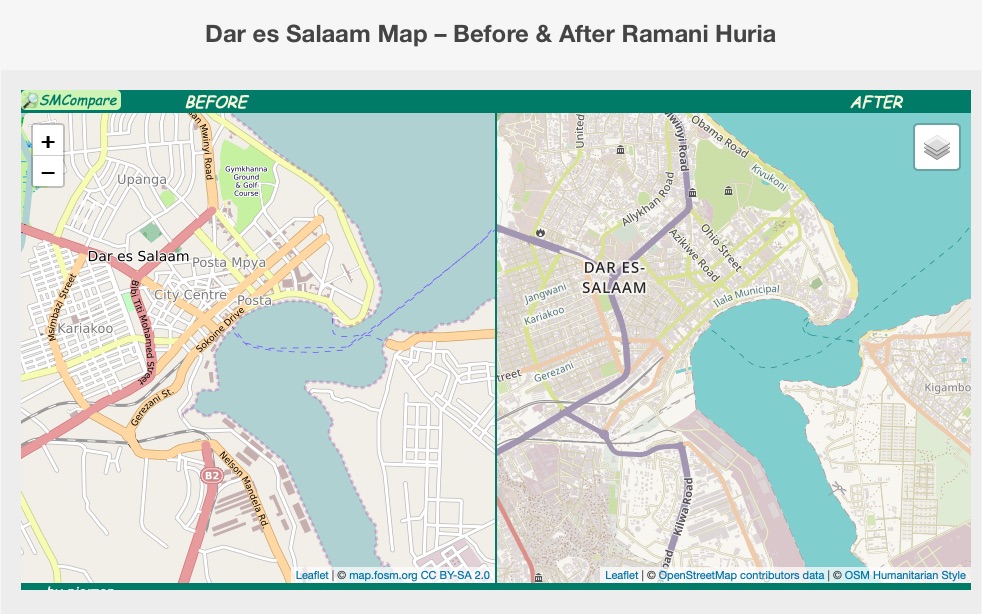
ரமணி ஹுரியா –Ramani Huria (கிஸ்வாஹிலி மொழியில் “எங்கள் வரைபடம்”) என்று அழைக்கப்படும் திட்டத்தில், ட்ரோன்கள், OpenStreetMap , மற்றும் திறந்தவெளி நிலவரைபடங்களை வரையும் மென்பொருளைப் பயன்படுத்தி, வெள்ளத்தால் மிகவும் பாதிக்கப்பட்ட பகுதிகளை அடையாளம் காணும் வகையில் வரைபடங்கள் உருவாக்கப்பட்டன. காலப்போக்கில், இவ்வரைபடங்கள் அதிக முக்கியத்துவத்தைப் பெற்றதோடு அங்கு வாழும் சமூகங்கள் தொடர்பில் மேலதிக விவரங்களை உள்ளடக்கியதாக மாறியது.
இவ்வாறான திட்டங்களில், ட்ரோன்களை பயன்பாடானது ஒரே தடவையில் முடிக்கக்கூடிய ஒரு வெறும் நிகழ்வாக மட்டும் இருக்காது. பெரும்பாலான ட்ரோன் திட்டங்களில், 80 சதவீதமானது திட்டமிடல் மற்றும் பகுப்பாய்வாக இருக்கையில் மிகுதி 20 வீதம் ட்ரோன் பறக்கும் பகுதியை குறிப்பதாக, Mbuyu உடன் சேர்ந்து பணியாற்றும் மில்லர் கூறினார். இவ்வாறான திட்டங்களை செயற்படுத்த பல மாதங்கள் ஆகும்.
“இதைச் செய்வதற்கு ஒரு குழு தேவை,” என்று மில்லர் கூறினார். “இந்த ஆளில்லா விமானங்களை பறக்க கற்றுக்கொள்வதற்கும், வரைபடங்களுக்கு தேவைப்படும் வடிவங்களில் பறக்க கற்றுக்கொள்வதற்கும், பின்னர் – முக்கியமாக – சமூகத்துடன் இது தொடர்பில் இணைந்து ஊடாட்டம் செய்வதற்கும் நீங்கள் அவர்களுக்கு பயிற்சி அளிக்க வேண்டும். முக்கியமாக சமூகத்தில் வரைபடம் செய்யக்கூடிய நபர்களை அடையாளம் காணவும். உங்களுக்கு சமூகத்தில் அடிமட்டத்திலிருந்து ஆட்கள் தேவை. தனியே ட்ரோன்கள் பாராசூட் போல பறந்து கதையைச் சொல்ல முடியாது. இங்கு கதைதான் முதலில் வருகிறது. ”
இவ்விடயத்தில் ஒத்துழைப்புடன் கூடிய கூட்டாண்மைகள் மிகவும் அர்த்தமுள்ளதாக இருக்கும்: வரைபடங்களை eBee ட்ரோன்கள் மூலம் உருவாக்குவதற்கு 10,000 இலிருந்து 20,000 பவுண்ஸ் (அமெரிக்க டொலர் $ 11,700 – 23,400) வரை செலவாகும்.
உலக வங்கி மற்றும் தான்சானிய அரசாங்கத்தின் நிதியதவியுடன் africanDRONE நிறுவனம், உள்ளூர் சமூகங்கள் மற்றும் ஊடகவியலாளர்களின் ஒத்துழைப்புடன் செயற்படுத்தப்பட்ட ட்ரோன் வரைபடத்திட்டமான ரமணி ஹுரியாவிற்கு (Ramani Huria) முன்னர் (இடது) – பின்னர் (வலது) எடுக்கப்பட்ட டார் எஸ் சலாமின் நிலவரைபடம். படம்: திரையை படம்பிடிக்கப்பட்டது (Screenshot)
சமூக கூட்டாளர்களுடன் இணைந்து நீண்ட கால திட்டங்களை உருவாக்குங்கள்
செய்தி அறைகள் மற்றும் சுதந்திர ஊடகவியலாளர்கள், கதைசொல்லலுக்கு ட்ரோன்களைப் பயன்படுத்தும் சமூக கூட்டாண்மை திட்டங்களை உருவாக்க நிதியுதவிக்கு விண்ணப்பிக்கலாம்.
பிரிட்டனில் சென்ஸ்மேக்கர் திட்டத்தின் கீழ்- Sensemaker project எடுக்கப்பட்ட ஒரு முயற்சியே இதுவாகும். மத்திய லங்காஷயர் பல்கலைக்கழகத்தில் (University of Central Lancashire) உள்ள சிவிக் ட்ரோன் மையம் (Civic Drone Centre), மான்செஸ்டர் ஈவினிங் நியூஸ் (Manchester Evening News) மற்றும் கிரிங்கிள் புரூக் ஆரம்ப பாடசாலை (Cringle Brook Primary School) ஆகியவற்றுக்கு இடையேயான கூட்டு ஒத்துழைப்பான கூகுள் நியூஸ் முன்முயற்சியின் கீழ் (Google News Initiative ) நிதியளிக்கப்பட்ட இந்தத் திட்டம், ட்ரோன்கள் உட்பட ‘சென்ஸ்மேக்கிங்’ இயந்திரங்களை ஊடகவியலுக்காக பயன்படுத்த முயன்றது.
“மாசடைதல் பற்றிய கதைகள், விவரணக்காட்சிகளின் ஊடான கதைகள், நாம் இதுவரை கற்பனை செய்யாத விஷயங்களைப் பற்றிய கதைகளை ட்ரோன்களின் மூலம் அறிக்கையிட முடியும்” என்று மத்திய லங்காஷயர் பல்கலைக்கழகத்தின் (University of Central Lancashire) திட்டத் தலைவர் மற்றும் இணைப் பேராசிரியரான ஜான் மில்ஸ் (John Mills) கூறினார். “இவை ஊடகவியலுக்கு பங்களிக்கின்றன.”
மான்செஸ்டர் ஈவினிங் நியூஸின் (Manchester Evening News) வெளியீட்டாளரான பால் கல்லாகர் (Paul Gallagher) கூறியது என்னவென்றால், “இது ஒரு தனித்துவமான முயற்சியாகும், ஏனெனில் இங்கே கதை சொல்லல் முறையில் ஏற்கனவே உள்ள தரவுத்தொகுப்பிலிருந்து ஒரு கதையைக் கண்டறியும் முயற்சியாக தொடங்கப்படவில்லை. மாறாக, ஊடகவியலாளர்கள் மற்றும் சமூகப் பங்காளிகள் கேள்விகளைக் கேட்டு, தரவுகளைச் சேகரித்து ஒரு கதையைச் சொல்ல உதவுகின்றனர்.”
மான்செஸ்டரில் (Manchester) உள்ள கிரிங்கிள் புரூக் ஆரம்ப பாடசாலையின் (Cringle Brook Primary School) நிர்வாகம் வளி மாசடைதல் குறித்து மிகுந்த கவலை கொண்டுள்ளது என்று உதவித் தலைமை ஆசிரியர் லூயிஸ் டெய்லர் (Louise Taylor) கூறினார். அவர் நைட்ரஜன் டைஆக்சைடைக்(nitrogen dioxide) கண்டறிவதில் கவனம் செலுத்தும் சென்ஸ்மேக்கர் (Sensemaker) குழுவில் சேர்ந்த அதேநேரத்தில் மான்செஸ்டர் ஈவினிங் நியூஸ் (Manchester Evening News) அவர்களின் முயற்சிகளைப் பற்றி அறிக்கையிடல்களை வெளியிட்டது. இப்பொறிமுறையை கண்காணித்த பிறகு, கல்லாகர் (Gallagher) கூறுகையில், காலையிலும், இடை மதியத்திலும் மாசடைதல் அதிகரிப்பதைக் கண்டறிந்ததாக குறிப்பிட்டனர். இது அவர்கள் பள்ளியை விட்டு வீடு செல்லும் மற்றும் அழைத்துச் செல்லும் நேரங்களுடன் ஒத்துப்போகிறது. இந்த முயற்சி தொடர்பில்பாடசாலை நிர்வாகம், பெற்றோருக்கு ஒரு பொதுவான விளக்கத்தை அளித்தது, இது ஒரு நடத்தை மாற்றத்திற்கு வழிவகுத்தது. அது குறைவான கார்கள் மற்றும் குறைந்த மாசடைதல் என்பதாகும்.
பாடசாலையின் அதிபரான ஹெலன் சேஸ் (Helen Chase) கூறுகையில், “இது ஒன்றும் நாங்கள் கூகுளில் இருந்து எடுக்கப்பட்ட ஒரு விடயமல்ல. “இது இப்போது இங்கே நடந்து கொண்டிருக்கும் விடயங்களுடன் தொடர்புடைய ஒரு நேரடி புள்ளிவிவரம். அவர்கள் அதைப் பற்றி வாதிட முடியாது. அதுவே எங்களுக்கான பலத்தை அளிக்கிறது,”
ஒழுங்குமுறைகளில் கவனம் செலுத்துங்கள்
நாடுகளை பொறுத்தவரையில் ட்ரோன் பதிவுசான்றிதழ் தேவைகள் நாடுகளுக்கிடையே மாறுபடுவதுடன் அவை காலப்போக்கில் மாறத்திற்கு உள்ளாகும்.
ட்ரோன் ஒழுங்குமுறை தொடர்பில் ஐரோப்பிய ஒன்றிய ஏவியேஷன் சேஃப்டி ஏஜென்சி (European Union Aviation Safety Agency -EUASA), ஆபத்து அடிப்படையிலான அணுகுமுறையை கைக்கொள்கிறது. ட்ரோன் சாதனங்களின் பயன்பாடு பொழுதுபோக்கு அல்லது வணிக நோக்கங்களின் அடிப்படையில் வேறுபடுத்தப்படவில்லை. மாறாக, ட்ரோன்கள் அவற்றின் நிறை மற்றும் செயல்பாட்டின் அடிப்படையில் ஒழுங்குபடுத்தப்பட்டுள்ளன. இந்த எளிமையான விளக்களிக்கும் ஆவணத்தில் EU ட்ரோன் இயக்குனர்களுக்கான ஒழுங்குமுறை வகைகள் மற்றும் உரிமம் பற்றிய தகவல்கள் உள்ளடக்கப்பட்டுள்ளன.
ஐக்கிய அமெரிக்காவில் ட்ரோன் பதிவு சான்றிதழ் தேவைகள், வணிக மற்றும் பொழுதுபோக்கு ட்ரோன் செயல்பாடுகளுக்கு ஏற்ற வகையில் வேறுபட்டவை. பெடரல் ஏவியேஷன் அத்தாரிட்டியின் சிறிய யுஏஎஸ் விதியின் (பகுதி 107) வணிக பயன்பாட்டிற்காக-Federal Aviation Authority’s Small UAS Rule (Part 107) for commercial use, ட்ரோன் இயக்குனர்கள் பாதுகாப்பு நடைமுறைகள், செயல்பாடுகள் மற்றும் விதிமுறைகள் பற்றிய புரிதலை நிரூபிக்க ரிமோட் பைலட் அனுமதிப்பத்திரத்தை (Remote Pilot Certificate) பெற வேண்டும். அனுமதிப்பத்திரத்தினை பெற பரீட்சை ஒன்றுக்கு தோற்ற வேண்டும் அத்தோடு இரண்டு வருடங்களுக்கு ஒருமுறை அனுமதிப்பத்திரம் புதுப்பிக்கப்பட வேண்டும்.
ட்ரோன் தொடர்பான விதிமுறைகள் மற்றும் அவற்றின் சமச்சீரற்ற தாக்கங்கள் பற்றிய அறிக்கையிடல் கூட பொதுமக்களுக்கு பயனுள்ளதாக அமையும்.
“ட்ரோன் என்பது ஒரு சட்டகம்,” என்று மில்லர் கூறினார். “மேலிருந்து அனைவரையும் பார்க்க கூடியதாக இருப்பதென்பது வரலாற்று ரீதியாக பணக்காரர்களுக்கும் அரசாங்கங்களுக்கும்உரியதாக கருதப்பட்டது. பின்னர், திடீரென்று, சாதாரண ஓர் சாமானியர் கூட தன்னைச் சுற்றியுள்ள நிலத்தை ஆய்வு செய்ய [ட்ரோன்களைப் பயன்படுத்த முடியும்]. [அது] ஜனநாயகப்படுத்தும் தொழில்நுட்பமாக இருக்கலாம், ஆனால் அது ஒரு அதிசயமான தீர்வு அல்ல. இது ஒரு மனநிலை மாற்றமே ஆகும்.”
இந்த கட்டுரை மோனிகா செங்குல்-ஜோன்ஸ் (Monika Sengul-Jones) என்பவரால் எழுதப்பட்டு முதலில்DataJournalism.com தளத்தில் வெளியிடப்பட்டது. இது அனுமதியுடன் இங்கு மறுபிரசுரம் செய்யப்படுகிறது.
மோனிகா செங்குல்-ஜோன்ஸ் PhD (Monika Sengul-Jones), ஒரு சுதந்திர ஆய்வாளர், எழுத்தாளர் மற்றும் டிஜிட்டல் கலாச்சாரங்கள் மற்றும் ஊடகத் தொழிற்துறைகளில் நிபுணர் ஆவார். அவர் 2018-19 இல் OCLC Wikipedian-in-Residence சிறப்பு அதிதியாக தேர்வு செய்யப்பட்டிருந்தார். அவர் விக்கிக்ரெட்(WikiCred) மூலம் நிதியளிக்கப்பட்ட Reading Together: Reliable Sources and Multilingual Communities என்னும் நம்பகமான ஆதாரங்கள் மற்றும் விளிம்புநிலை சமூகங்கள் பற்றிய கலை+பெண்ணியவாதத் திட்டத்தை தலைமை தாங்குபவர்களில்ஒருவராவர்.
Al comparar casinos en línea, teniendo en cuenta la variedad de juegos, pensando en un uso regular, una plataforma que puede revisarse de forma independiente es chicken subway juego , mientras una revisión independiente también puede abarcar la experiencia móvil y la navegación, junto con las reglas de retirada y los límites antes de registrarse.
Vor der Entscheidung, welche Seite näher geprüft werden soll, beim Vergleich von Navigation und Bedienkomfort, als Teil eines unabhängigen Vergleichs, eine Option für den direkten Vergleich ist fugu casino 5 , separat kann man auch betrachten die aktuellen Aktionsbedingungen, zusammen mit den wichtigsten Bedienungsdetails ohne die endgültige Wahl zu überstürzen.
Før man beslutter hvilken side der bør undersøges nærmere, ved vurdering af mobil brug, fra et praktisk brugerperspektiv, en platform der kan vurderes uafhængigt er https://spinlander-casino.dk/ , mens en uafhængig vurdering også kan omfatte registrerings- og verifikationsprocessen, med kundesupportens tilgængelighed i tankerne uden at forhaste den endelige beslutning.
Dla użytkowników zestawiających kilka platform jednocześnie, z uwzględnieniem metod wpłat i wypłat, na potrzeby wstępnej oceny, jednym z punktów odniesienia może być kasyno na prawdziwe pieniadze jeśli jednocześnie ocenia się najważniejsze warunki korzystania z serwisu, wraz z zasadami dotyczącymi wypłat w ramach szerszego porównania podobnych serwisów.