
Speed Read
- Ending a five-year trial, a Colombo High Court trial-at-bar has convicted 15 of 24 men accused of being involved in the 2019 Easter Sunday bombings.
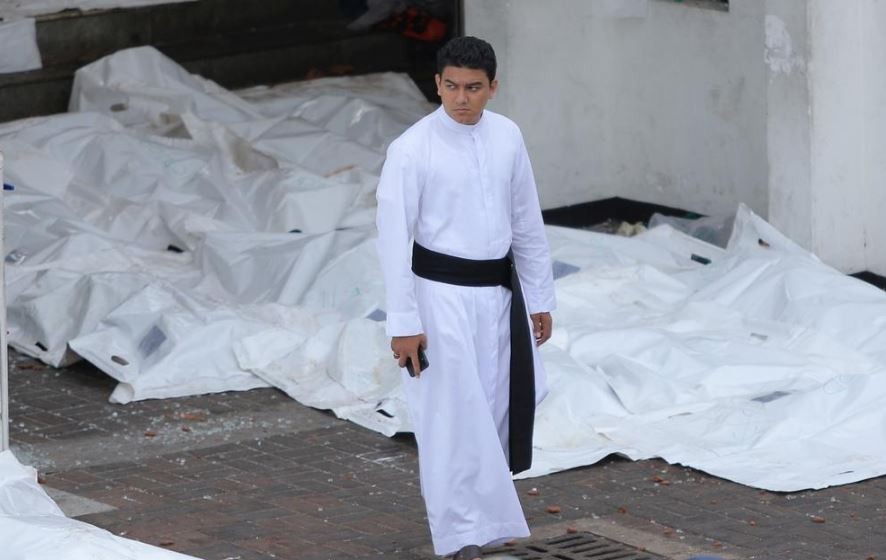
- The multiple bombings killed 270 people, including 45 foreigners, and injured more than 500 people.
- A total of 23,270-charges were filed against those indicted and 15 convicted 15 received prison terms ranging from 200 to 260 years.
- The court heard evidence from 2,309 prosecution witnesses and the three-bench judge held 14 of them guilty on all charges, which included murder, conspiracy to commit acts of terrorism and possessing firearms and explosives under the Prevention of Terrorism Act.
- In separate legal proceedings last month, two former senior security officials were sentenced to death for criminal negligence that resulted in the bombings.
COLOMBO — Nearly seven years after Sri Lanka’s Easter Sunday attacks shattered churches, hotels and families across the country, a high court verdict has convicted 15 people accused of helping plan, facilitate and support the coordinated bombings in 2019.
For survivors and families of those killed, the judgment marked an important moment in a judicial probe that had stretched across years of investigations and court proceedings.
“Today, I can finally go to sleep with some solace after seven years,” said Sheron Fernando, whose parents were killed in the bombing at St. Sebastian’s Church in Katuwapitiya on April 21, 2019.
“I am not overjoyed but, I find myself at ease. In my mind, I have imposed the death sentence on all involved, but I completely understand that the judiciary does not run on emotions.”
Fernando said she was among those who continued to place faith in the justice system and expressed respect for the trial-at-bar process, which heard the case through years of proceedings.
The permanent bench on Sept. 22 delivered a guilty verdict on 15 of the 24 accused persons in a case that involved 23,270 charges, including allegations of conspiracy to commit terrorism, murder and aiding and abetting the synchronized attacks. Nine were acquitted while, one died during pre-trial detention. The court also imposed prison terms ranging from 200 to 260 years on the 15 convicted. Five received 220-year terms, four were sentenced to 240 years, five to 200 years and one to 260 years. The court also ordered the confiscation of their movable and immovable property.
The judgment was delivered by High Court Judges Navaratne Marasinghe, Ramanathan Kannan and Sujeewa Nissanka.
Unprecedented trial
The case, filed by the Attorney General, was one of the largest and most closely watched criminal proceedings arising from the 2019 Easter Sunday serial bombings.
Prosecutors called 2,309 witnesses during nearly five years of court hearings. The recording of evidence by both sides concluded Aug. 24, after which the trial-at-bar fixed Sept. 22 for the delivery of judgment.
Among those convicted was Mohamed Naufar, also known as Naufar Maulavi, whom prosecutors identified as a key figure who supported the eight-member suicide bombing team.
The case concerned people accused of supporting or facilitating the attacks rather than the suicide bombers themselves, all of whom died during the attacks.
Attacks that changed Sri Lanka
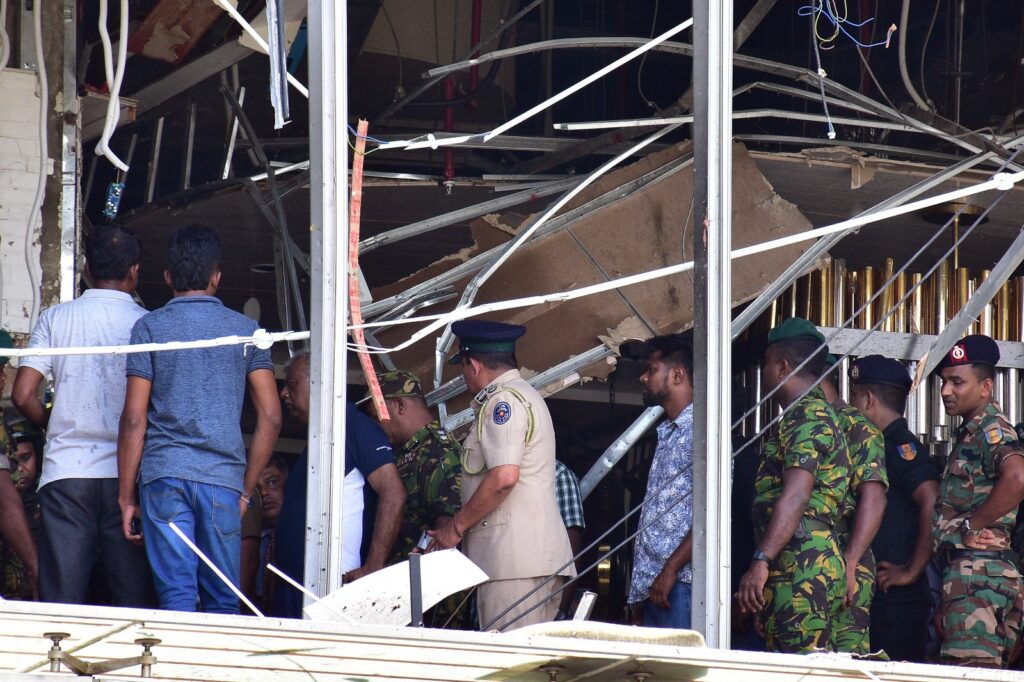
On Easter Sunday, April 21, 2019, coordinated suicide bombings struck three churches and three luxury hotels in Colombo, Negombo and Batticaloa.
The attacks killed 279 people, including 45 foreign nationals, and injured hundreds more. They were the deadliest terrorist attacks in Sri Lanka since the end of the civil war in 2009.
The bombings were attributed to local Islamist extremists inspired by the Islamic State (IS). The attackers had pledged allegiance to the group before the attacks.
The scale of the killings was compounded by the fact that Sri Lankan authorities had received intelligence warnings before April 21 but failed to prevent the attacks.
That failure has generated a separate line of criminal and constitutional proceedings involving senior state officials.
Separate case on state culpability
In July 2026, former inspector general of police Pujith Jayasundara and former secretary of the ministry of defence Hemasiri Fernando were sentenced to death after a separate trial-at-bar found them guilty of criminal dereliction of duty, criminal negligence and related offenses over their failure to act on intelligence warnings about the impending attacks. Court convicted both Jayasundara and Fernando in a majority decision with one judge recording dissent and both have the right to appeal.
Sri Lanka has not carried out an execution since 1976 and has maintained a moratorium on executions.
FR violation
In January 2023, the Supreme Court found that several senior officials had violated the fundamental rights of citizens by failing to take appropriate action on intelligence available before the attacks. The defendants included then-president Maithripala Sirisena, former police chief Jayasundara, former defence ministry secretary Fernando, former chief of national intelligence Sisira Mendis and former director of the state intelligence service Nilantha Jayawardena.
The court ordered personal compensation from the officials, with the amounts totaling Rupees 311 million (approximately $324847.94). The money was directed to a victim fund administered through Sri Lanka’s Office for Reparations.
According to the Office for Reparations, the Supreme Court proceedings concerning the compensation orders concluded on May 21, 2025. It reported that the Rupees 311 mn ($324847.94)) received had been fully disbursed to victims and beneficiaries under the established scheme.
Questions that remain
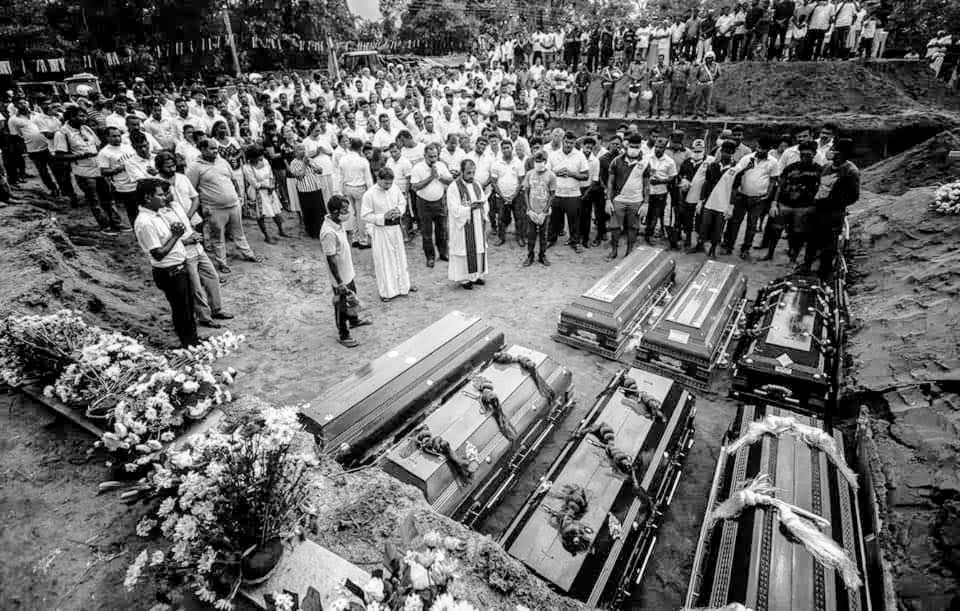
For many families, Tuesday’s verdict closes one chapter but does not necessarily answer every question surrounding the 2019 Easter attacks.
The Catholic Church and others have continued to raise questions about whether the bombings involved a wider network or whether all those responsible have been identified. Those claims remain contested and should be distinguished from matters already adjudicated upon by the judiciary. For survivors such as Sharon Fernando, however, the significance of the verdict is less about the political questions that have surrounded the attacks and more about finally seeing a long-running criminal matter reach judgment.
After seven years of waiting, a court has now imposed criminal liability on 15 accused in one of Sri Lanka’s most consequential terrorism cases.
For the families still living with the consequences of April 21, 2019, that judgment represents a measure of accountability — while leaving other questions about the attacks and the state’s failures on separate legal tracks.
Banner Image: The verdict delivered on Sept. 22, 2026, closes one chapter but does not necessarily answer every question surrounding the 2019 Easter bombings. Image courtesy of Tharaka Basnayake.
This story was written and edited by Gagani Weerakoon. She leads the editorial at the Center for Investigative Reporting (CIR).