

Speed Read
- 84,545 persons from 26,457 families across seven districts have been affected by the ongoing dry spell, according to Sri Lanka’s Disaster Management Centre.
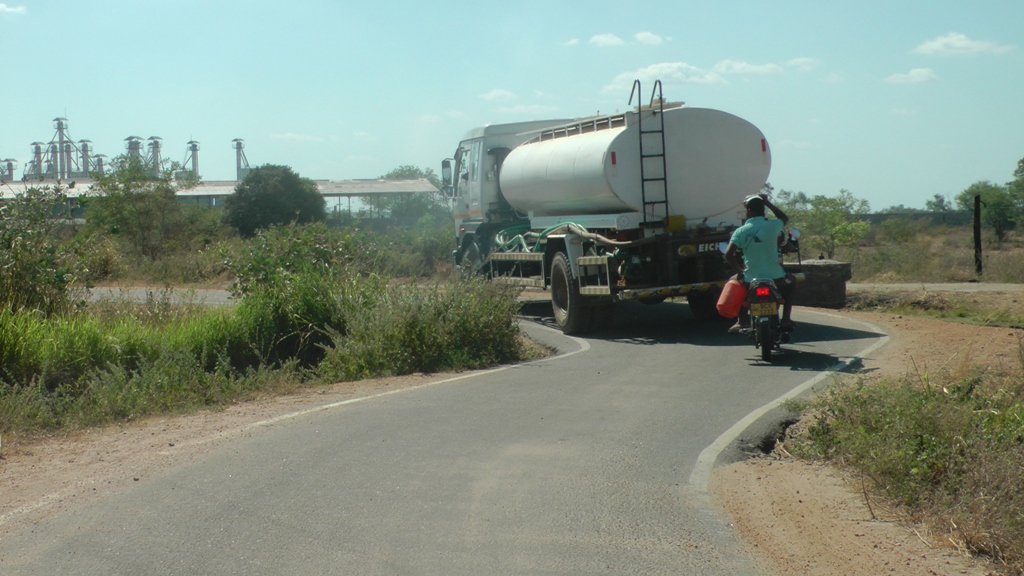
- Authorities have distributed drinking water to 24,144 families as water shortages intensify.
- Water levels in some dry-zone reservoirs have fallen below 30%, while the combined capacity of the country’s 74 major reservoirs has declined to 36%.
- The government has allocated $9 million (Sri Lankan rupees 3 billion) for agricultural insurance compensation as drought damages about 32.4 square kilometers (8,000 acres) of crops.
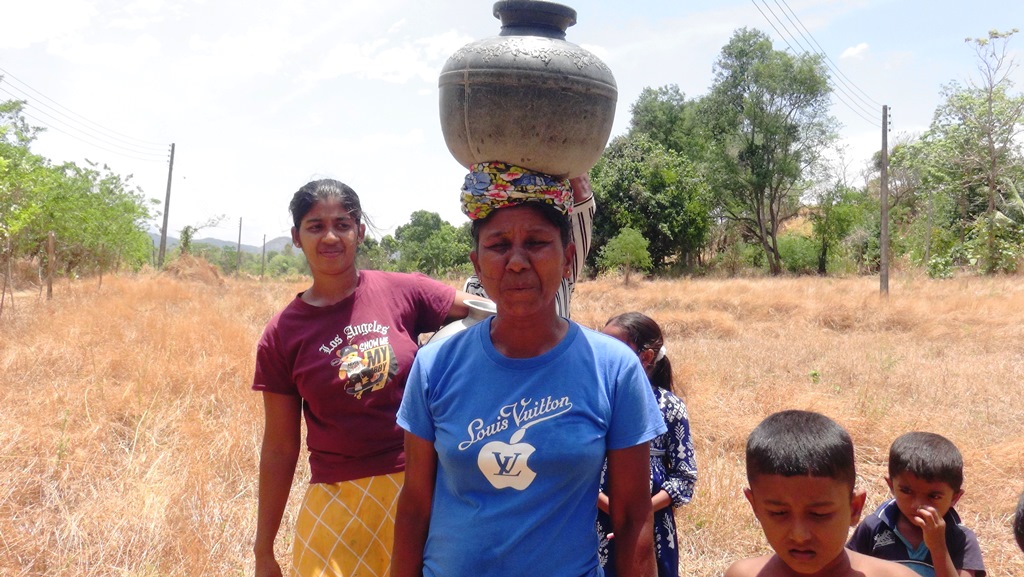
COLOMBO— Chandrakanthi’s daily routine now includes a seven-kilometer walk to secure something her family cannot live without — safe drinking water. Living in a remote village bordering Sri Lanka’s North Central Province, she makes the journey to a neighboring village to fetch water for her seven-month-old granddaughter, as the prolonged dry spell has left most wells in her area nearly dry.
Her experience reflects a growing water crisis across parts of Sri Lanka. More than 84,000 people in seven districts are now affected by drought, while declining reservoir levels and crop losses are putting additional pressure on communities and farmers. The situation is worsening as a strengthening El Niño threatens to bring more heat and water stress, forcing authorities to prioritize drinking water as available supplies shrink.
As of Aug. 26, the Disaster Management Centre (DMC) said 84,545 persons from 26,457 families had been affected by drought conditions in Ratnapura, Batticaloa, Ampara, Monaragala, Badulla, Hambantota and Polonnaruwa. The dry spell is affecting 23 Divisional Secretariat divisions across those districts.
Samanmali Matharaarachchi, assistant director of the DMC, said authorities had distributed potable water to 24,144 families affected by the shortages.
The crisis comes as the U.S. National Oceanic and Atmospheric Administration (NOAA) cautioned that El Niño is strengthening, with a greater than 90% chance of a very strong event during the Northern Hemisphere fall and winter of 2026-27. NOAA said the current event has strengthened significantly over the past month.
Dwindling water supplies
The Department of Meteorology issued a warm-weather advisory for Aug. 27 covering Polonnaruwa, Jaffna, Kilinochchi, Mullaitivu, Ampara, Batticaloa and Monaragala.
The advisory warned that the heat index — the temperature human body feels when the effects of heat and humidity are combined — could reach the “caution” level in some areas during the daytime.
Residents were advised to remain hydrated, avoid prolonged exposure to direct sunlight where possible and limit strenuous outdoor activity during the hottest part of the day.
The combination of high temperatures and dry conditions is putting additional pressure on already declining water resources.
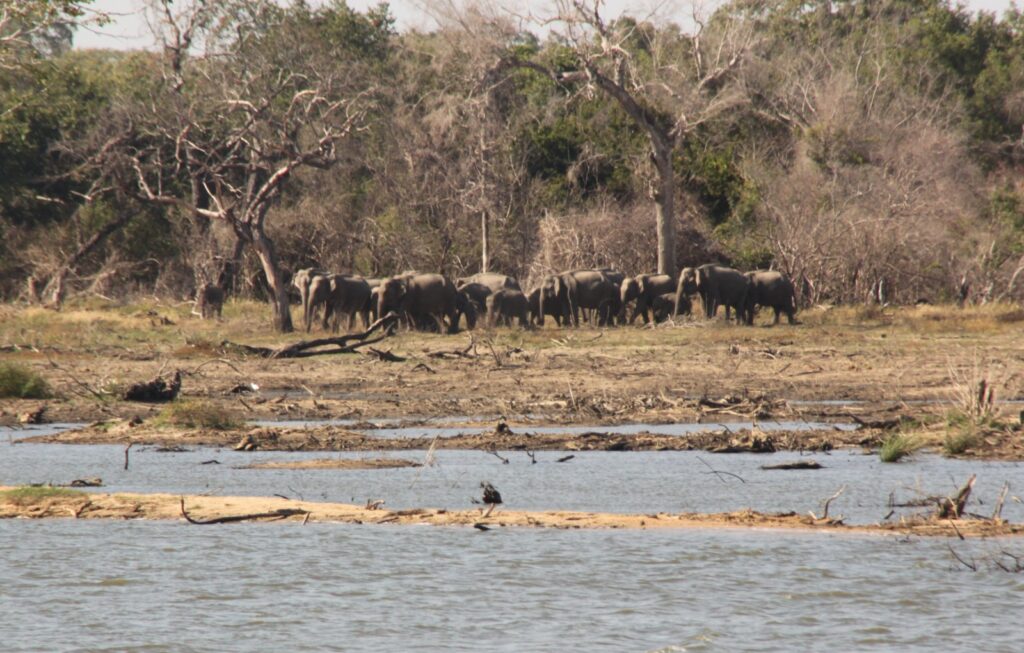
According to irrigation director engineer L.S. Sooriyabandara, water levels in the main reservoirs in the country’s wet zone remain relatively stable, but reservoirs in the dry zone are declining rapidly.
“Water capacity in some reservoirs in Hambantota, Batticaloa, Monaragala, Mannar and Trincomalee districts has fallen below 30%,” Sooriyabandara told CIR.
Overall, the water capacity of Sri Lanka’s 74 major reservoirs has fallen to 36%, according to the director.
“While dry conditions are normal in August, the situation has been aggravated this year by the prevailing El Niño conditions,” he said. Higher temperatures are also increasing evaporation, causing water levels in lakes and reservoirs to fall more rapidly.
Drinking water takes priority
The worsening water situation is creating a growing conflict between domestic consumption and agricultural needs.
As demand for water increases while supplies decline, authorities have had to prioritize drinking water and environmental requirements in areas experiencing severe dry conditions. That has limited the amount of water that can be released for cultivation.
Sooriyabandara said drinking water supplies had not been restricted so far, but measures had been taken in some areas to reduce the amount of reservoir water released for agriculture.
He urged the public to use water sparingly and adopt greater environmental responsibility as the dry conditions continue.
The director also warned that the combination of high temperatures and dry vegetation was increasing the risk of wildfires, which could spread rapidly under the prevailing conditions.
He urged the public to remain vigilant and monitor El Niño forecasts so that authorities and communities can prepare for further changes in weather conditions.
Mounting crop losses
The drought is also taking a toll on agriculture, with paddy and other crops including maize reported to have suffered damage in Monaragala, Polonnaruwa, Hambantota, Anuradhapura and Ampara.
The Agriculture and Agrarian Insurance Board has recorded paddy crop damage across five districts, with losses estimated at 5.7 square kilometers (1,401 acres) in Monaragala, 5.1 square kilometers (1,259 acres) in Polonnaruwa, 3.2 square kilometers (783 acres) in Hambantota, 4.3 square kilometers (1,055 acres) in Ampara, and 7.8 square kilometers (1,923 acres) in Anuradhapura.
The five reported district-level figures amount to about 26 square kilometers (6,421 acres) of paddy land.
The Agriculture and Agrarian Insurance Board estimates that approximately 32.4 square kilometers (8,000 acres) of farmland belonging to nearly 7,000 farmers have been affected overall, including crops beyond the paddy acreage listed above.
Field officers from the Agriculture and Agrarian Insurance Board, together with officials from the Department of Agrarian Development, are visiting affected farmland to assess the losses.
Planned compensation
The government has allocated about $9 mn (Rs. 3 bn) to accelerate agricultural insurance compensation for farmers whose crops have been damaged by the dry conditions.
The government aims to release the compensation before the next cultivation season, providing financial relief to farmers and helping them prepare for the next cycle of cultivation.
The agriculture minister has instructed officials to expedite assessments and payments for damaged paddy fields.
“For six crops, maize, big onion, potato, soybean, chili and paddy, compensation will be paid at Rs. 100,000 per hectare, with a maximum coverage of five acres per farmer under the stated scheme,” the Board in a statement noted.
Farmers who have not yet reported crop damage have been urged to notify agrarian officers or record their losses at agrarian development centers.
A wider climate warning
The immediate concern is the availability of water, but the strengthening El Niño adds another layer of uncertainty to Sri Lanka’s weather outlook.
NOAA’s latest assessment says there is a greater than 90% chance that the current El Niño will become very strong during the Northern Hemisphere fall and winter. NOAA also says there is a 69% chance that the October-December period will meet its definition of a historic El Niño event, exceeding the strength of previous events dating to 1950.
For Sri Lanka, the combination of prolonged dry conditions, high temperatures, declining reservoir storage and rising agricultural water demand creates mounting pressure on already limited resources.
With authorities prioritizing drinking water in some drought-hit areas and restricting agricultural releases from certain reservoirs, the coming weeks will be critical for both communities dependent on water supplies and farmers preparing for the next cultivation season.
Banner Image: With water levels in some dry-zone reservoirs have fallen below 30%, women and children are seen walking miles to fetch clean potable water. Image courtesy of Rahul Samantha Hettiarachchi.
This story was written and edited by Gagani Weerakoon. She leads the editorial at the Center for Investigative Reporting (CIR).