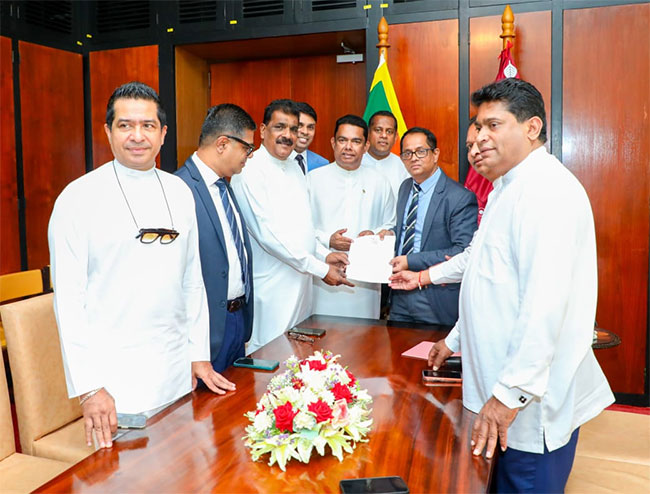
Ex-CEO of SriLankan Kapila Chandrasena found dead under suspicious circumstances hours after court ordered re-arrest in Airbus bribery case
Raises new concerns over accountability in Sri Lanka’s Airbus corruption probe
TISL warns Chandrasena death could undermine justice process in high-profile Airbus investigation
Legal experts say death of key suspect may weaken Sri Lanka’s ongoing Airbus corruption prosecution
COLOMBO- Former SriLankan Airlines CEO Kapila Chandrasena was found dead at a residence in Colombo’s Kollupitiya on Friday (7 May), in a development that has intensified scrutiny over Sri Lanka’s long-running Airbus corruption investigation and raised wider concerns about the integrity of accountability processes surrounding high-profile financial crime cases.
The death came just days after Chandrasena was released on bail over allegations linked to a multimillion-dollar Airbus bribery scandal, and only hours after the Colombo Magistrate’s Court issued an order for his re-arrest over alleged violations of bail conditions.
The incident has rapidly evolved beyond an isolated criminal investigation into a broader national debate about corruption prosecutions, witness protection, judicial accountability, and the vulnerability of individuals connected to politically sensitive cases.
It also marks the second death under suspicious circumstances linked to high-profile investigations in Sri Lanka within less than two weeks, a pattern that is likely to fuel further public concern over the safety of individuals connected to politically and financially sensitive proceedings.
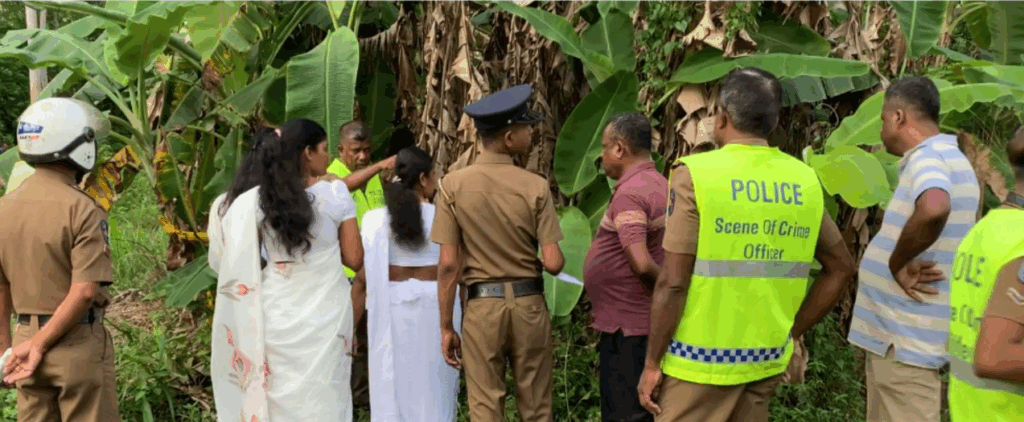
According to Police Media Spokesperson Assistant Superintendent of Police F.U. Wootler, Chandrasena’s body was discovered at a residence on Pedris Road, Kollupitiya.
The Colombo Chief Magistrate’s Court had on Thursday ordered Chandrasena’s immediate arrest after the Commission to Investigate Allegations of Bribery or Corruption (CIABOC) informed court that he had allegedly breached bail conditions imposed earlier in the week.
Chief Magistrate Asanga S. Bodharagama issued the arrest warrant after considering submissions made by CIABOC, which alleged Chandrasena had paid two individuals $47 (Rs. 15,000) each to appear as bail sureties for $3,114 (Rs. 1 million) bonds required under his bail conditions.
The court had earlier granted Chandrasena bail on Tuesday after ordering his release on a cash bail of $1557 (Rs. 500,000) and three sureties of $3,114 (Rs. 1 million) each.
CIABOC argued that arranging paid sureties constituted a direct violation of the conditions imposed by court and represented a breach of judicial trust. The Commission requested that bail be suspended under Sections 14(1) and 14(3) of the Bail Act No. 30 of 1997 and sought Chandrasena’s remand under provisions of the Prevention of Corruption Act.
After hearing submissions, the Magistrate ordered Chandrasena’s arrest and production before court.
At center of corruption allegations
Chandrasena served as CEO of SriLankan Airlines during the controversial 2013 aircraft procurement deal involving the purchase of 10 Airbus aircraft valued at approximately US$2.3 billion.
Prosecutors allege that Chandrasena conspired to solicit and accept bribes linked to the deal, including claims that US$16 million in kickbacks had been arranged through offshore structures. Investigators allege that €1.45 million was transferred into a Singapore bank account linked to a shell company allegedly established in Brunei under his wife’s name.
The Airbus deal has long been regarded as one of Sri Lanka’s most politically sensitive corruption probes due to the scale of the transaction and allegations that senior political figures may have benefited from illicit payments.
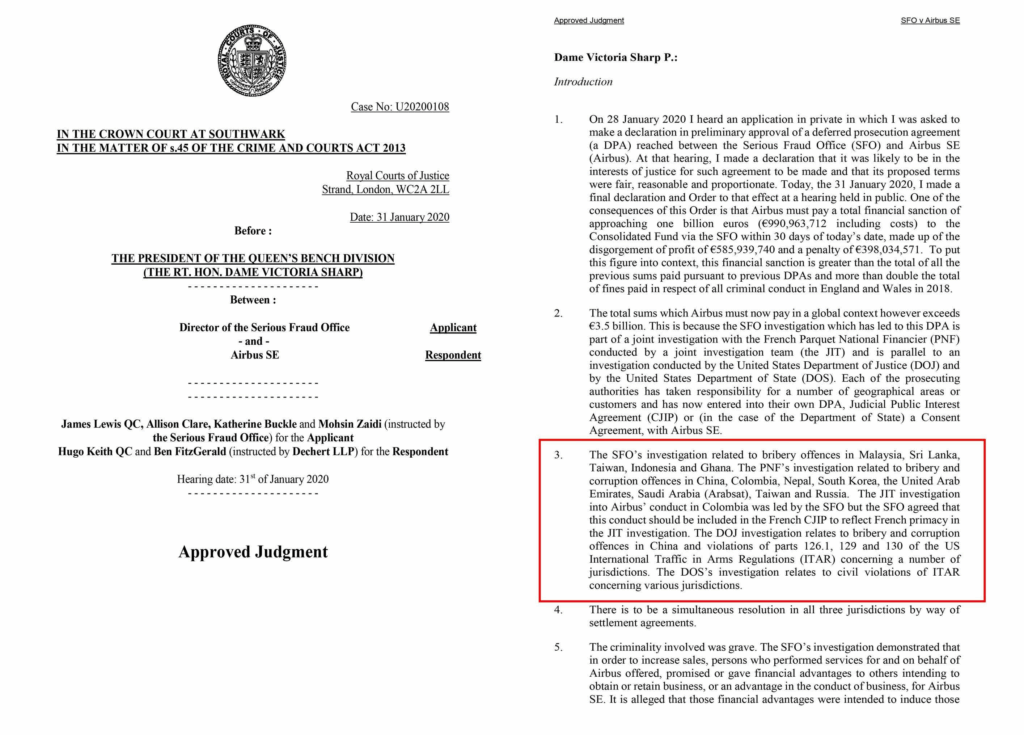
The Sri Lanka-related section of the Royal Courts of Justice judgment details allegations that Airbus used third-party consultants and agents to influence aircraft purchase deals involving senior airline executives and officials, including matters linked to former Kapila Chandrasena. The probe deepened after investigators identified suspicious payment patterns tied to Airbus deals, while Airbus later self-reported findings amid internal and external scrutiny before agreeing to pay over $3.9 billion in global penalties to settle foreign bribery and ITAR-related charges. Image via Aviation Voice Facebook page.
Affidavit claims duress
Complicating the case further, Chandrasena’s legal representatives released an affidavit dated March 18 2026, in which he claimed that statements previously made to CIABOC implicating senior political figures had been extracted under intimidation and coercion.
The affidavit emerged after CIABOC informed court that Chandrasena had stated that $186,875 (Rs. 60 million) from funds connected to the Airbus transaction had allegedly been paid to former president Mahinda Rajapaksa in three installments, while an additional (Rs. 20 million) $62,291 had allegedly been paid to former civil aviation minister Priyankara Jayaratne.
In the affidavit, Chandrasena denied voluntarily making those claims and alleged that investigators pressured him to implicate Mahinda Rajapaksa, MP Namal Rajapaksa, and members of the Rajapaksa family.
He further alleged that he had been threatened with arrest, intimidated by officials including the Director General of CIABOC, and denied access to legal counsel while his statement was being recorded.
The allegations added a politically explosive dimension to an already sensitive corruption investigation and intensified questions surrounding investigative procedures.
Judicial medical board ordered
Following submissions made by Kollupitiya Police, Fort Magistrate Pasan Amarasena ordered that the post-mortem examination be conducted by a five-member judicial medical board appointed by the director of the Colombo National Hospital.
The magistrate further directed that the findings be submitted to court by May 12.
The appointment of a multi-member judicial medical panel reflects the sensitivity of the case and the heightened public scrutiny surrounding the circumstances of Chandrasena’s death.
Concerns on accountability and process
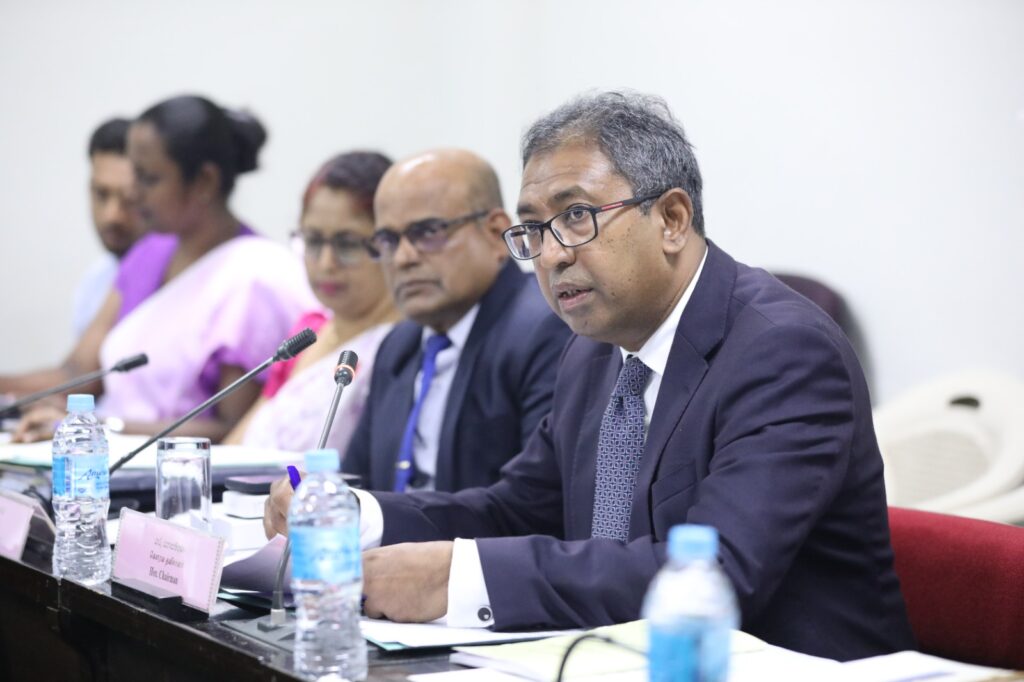
Transparency International Sri Lanka (TISL) expressed deep concern over the death, cautioning that the loss of a key suspect in such a major corruption prosecution represented a serious setback to accountability efforts.
The organization stated that regardless of the circumstances surrounding the death, the incident risks undermining public trust in the justice process and could obstruct efforts to uncover the full extent of systemic corruption tied to the Airbus procurement deal.
TISL also stressed that the Government carries a heightened responsibility to ensure the safety and security of all individuals connected to ongoing high-profile investigations and prosecutions.
The organization called for a full, transparent, and credible investigation into the death and urged authorities to ensure that accountability efforts connected to the Airbus case continue without obstruction or delay.
Meanwhile, a past president of the Bar Association of Sri Lanka (BASL) President’s Counsel Saliya Peiris said the death of a prime suspect or key witness can significantly weaken investigations and future prosecutions.
Responding to questions from the CIR, Peiris noted that when a principal witness or suspect dies before or during prosecution, investigators lose the ability to further probe allegations through that individual.
“When a high-profile witness dies before a prosecution or during the course of an investigation, the prosecution will not be able to use that person’s evidence at trial. Investigators are deprived of the opportunity to probe matters through him. To that extent, investigations or prosecutions would be affected,” he said.
Peiris also addressed questions surrounding the court-ordered re-arrest of Chandrasena, stating that police are generally expected to act “as soon as possible,” although practical delays may occur depending on available resources and information regarding a suspect’s whereabouts.
His remarks underscore the broader implications of Chandrasena’s death, particularly in a case involving international financial transactions, offshore entities, and allegations of political corruption at the highest levels.
Wider concerns over high-profile deaths
The death is likely to deepen already growing public unease over a recent pattern of deaths and sudden incidents involving individuals linked to politically sensitive or financially significant investigations.
Coming less than two weeks after another suspicious death connected to a separate high-profile case, Chandrasena’s death is expected to intensify calls for stronger safeguards, enhanced witness protections, and greater institutional transparency in Sri Lanka’s justice system.
For many observers, the incident has shifted attention away from the immediate question of individual criminal liability toward a broader concern: whether Sri Lanka’s legal and investigative institutions are adequately equipped to sustain complex corruption prosecutions involving powerful political and financial interests without key cases collapsing before reaching trial.
This story was written and edited by Gagani Weerakoon. She leads the editorial at the Center for Investigative Reporting (CIR).
A debt payment to Export Finance Australia was rerouted via email fraud despite 24/7 cyber monitoring.
The opposition demanded answers on failed controls and delayed disclosure.
Government says it is cybercrime, not debt failure. Probes underway.
Parliament committee flags weak oversight and capacity issues, deepened by a suspended official’s death.
COLOMBO- Sri Lanka’s $2.5 million Treasury cyber theft has exposed a troubling contradiction at the heart of its digital governance: a major financial breach unfolding despite the presence of a round-the-clock national cybersecurity apparatus.
The incident involving a sovereign debt repayment diverted through a sophisticated email compromise, has triggered a political showdown, multiple investigations, and renewed scrutiny of whether the country’s institutional and technical defenses are keeping pace with its rapid digital transition.
The strategy was intended to unify national security, public administration, and the digital economy under a coordinated cyber defense framework backed by dedicated monitoring systems operating around the clock.
Yet the Treasury breach has raised a central question: how did such a high-value fraud slip through systems designed for continuous vigilance?
Deputy finance minister Anil Jayantha Fernando and Treasury secretary Harshana Suriyapperuma acknowledged that the fraudulent transactions were executed through compromised email channels, with forged invoices inserted into what appeared to be legitimate communication streams. The reliance on email-based verification, even within a multi-step approval process, is now under intense scrutiny.
Confrontation forces debate
The issue escalated in Parliament after the government reversed its initial refusal to allow a debate, following a tense standoff led by opposition leader Sajith Premadasa and opposition lawmakers demanding accountability.
Premadasa called for a full breakdown of how 10 transactions totaling $2.5 million were processed and how safeguards failed.
“We need to know how these transactions were processed, who was responsible at each level, and how this could have happened within what is said to be a multi-step verification process,” he said.
He pressed for clarity on whether SWIFT or account details had been altered and questioned the timeline of disclosures to law enforcement versus Parliament. “If you had enough information to complain to the CID, then you had enough information to inform Parliament,” he said.
Premadasa also widened the scope of concern, citing reports of additional irregularities, including a $600,000 loss linked to U.S. postal payments, alleged double payments under welfare programs, and missing documentation tied to French loans all of which, he argued, demanded explanation.
Harsha de Silva, Chair of the Committee on Public Finance (COPF) points out confusion over the roles of key departments and a lack of clarity in approval authority. Image courtesy of the communications department of Sri Lanka Parliament.
Cybercrime, not default
Deputy finance minister in Parliament on Tuesday, on 5 March defended the government’s handling of the incident, detailing a payment chain involving the External Resources Department (ERD), the Public Debt Management Office (PDMO), and the Central Bank (CBSL).
Responding on behalf of the government, Fernando outlined the sequence of transactions:
November 14: three invoices totaling $713,757
November 28: $377,660
January 5: five invoices totaling $420,210
January 29: $997,799
“Invoices are received via email and verified. The Central Bank releases the funds,” he said, adding that investigations were ongoing “to establish where responsibility lies within this process.”
He confirmed that funds were released but intercepted before reaching Export Finance Australia.
“This does not indicate an inability or unwillingness by Sri Lanka to repay its debt,” he said, adding that creditors, including the Paris Club, are unlikely to classify the incident as a default given its criminal nature.
How the fraud was uncovered
The breach came to light only after a separate suspicious transaction involving India’s export credit agency raised alarms triggered by a misspelled word in an email.
A subsequent review revealed that the $2.5 million payment had been diverted months earlier through a business email compromise scheme.
Investigators later confirmed that multiple official email accounts had been infiltrated, allowing attackers to impersonate legitimate actors and redirect funds without immediate detection.
Four officials have been suspended pending investigation.
Justice minister Harshana Nanayakkara said the government is committed to identifying those responsible and recovering the funds but urged restraint while investigations continue.
The case has been further complicated by the death of one of the suspended officials linked to the transactions. Authorities have indicated the death was a suicide, though opposition figures have raised questions, adding a sensitive dimension to an already contentious investigation.
Government officials have cautioned against speculation, warning that unverified claims could undermine both the inquiry and public trust.
Structural weaknesses under spotlight
Harsha de Silva, Chair of the Committee on Public Finance (COPF), has framed the episode as evidence of deeper institutional failings.
“There are serious gaps in accountability and processes,” he said, pointing to confusion over the roles of key departments and a lack of clarity in approval authority.
He also questioned the erosion of expertise within the system, arguing that critical positions are increasingly held by less experienced personnel.
“If the Treasury secretary and the department heads do not have the required experience and skills, it is not surprising that processes fall apart,” he said.
Economist Umesh Moramudali warned that the breach reflects broader weaknesses in Sri Lanka’s debt management framework.
“This time, we got away with $2.5 million but, this could be worse,” he said, pointing to gaps in technical capacity and the challenges of transitioning debt management functions to new institutions without adequate expertise.
Suspended assistant director of the Treasury took his own life adding more confusion to ongoing investigations. Image via Facebook.
A system tested
The government maintains that the incident is a contained cybercrime within an otherwise functional system. The opposition argues it reveals systemic governance failures.
But the broader implication is harder to dismiss: even with a national cybersecurity strategy and 24/7 monitoring infrastructure in place, critical financial systems remain vulnerable, not just to external attackers, but to gaps in coordination, expertise, and oversight.
In that sense, the $2.5 million loss may be less significant than what it has revealed.
This story was written and edited by Gagani Weerakoon. She leads the editorial at the Center for Investigative Reporting (CIR).
This story was produced with support from Report for the World, a global media service strengthening local independent journalism.
Sri Lanka’s fuel system is constrained by limited storage capacity, not supply, with only about 150,000 metric tons available across key terminals.
Absence of a strategic fuel reserve forces reliance on operational stocks, leaving little buffer against global disruptions.
Major infrastructure projects including new tanks, pipelines and expanded facilities will not deliver relief until the late 2020s.
Financial constraints, fossil fuel dependence, policy inconsistency and underused renewable energy continue to compound long-term energy insecurity.
COLOMBO – Sri Lanka is not running out of fuel but, it is running out of space to store it.
As global volatility strains supply chains, the country’s limited storage capacity is emerging as a critical weakness, raising the risk of an energy crisis driven not by availability, but by infrastructure constraints.
Excluding facilities operated by Lanka Indian Oil Corporation (LIOC) in Trincomalee, the country’s main storage hubs at Kolonnawa and Muthurajawela provide a combined capacity of about 150,000 metric tons. However, these facilities cannot operate at full capacity at all times, as stocks must be carefully managed in line with shipment schedules and distribution cycles.
According to Ceylon Petroleum Corporation (CPC), at the onset of the current crisis, only around 103,000 metric tons were in storage—well below maximum capacity. Meanwhile, daily fuel demand stands at approximately 1,800 metric tons, including aviation fuel, while the Sapugaskanda refinery supplies about 1,080 metric tons per day. The remaining requirement must be met through imports, leaving the system exposed to logistical disruptions.
Petrol storage capacity stands at 161,087 metric tons, with 136,270 metric tons available at the start of the crisis. Yet Sri Lanka does not maintain a separate strategic reserve. Operational and buffer stocks are held within the same facilities, requiring tight coordination to avoid shortages.
Aviation fuel stocks currently provide a buffer of 49 days, while crude oil inventories are sufficient for 26 days, extendable to 44 days with shipments already at sea. Despite these margins, officials and industry sources acknowledge that the real constraint is not procurement, but storage and unloading capacity.
Infrastructure plans offer long-term relief
In March, President Anura Kumara Dissanayake outlined a series of infrastructure projects aimed at addressing these constraints, though most are years from completion.
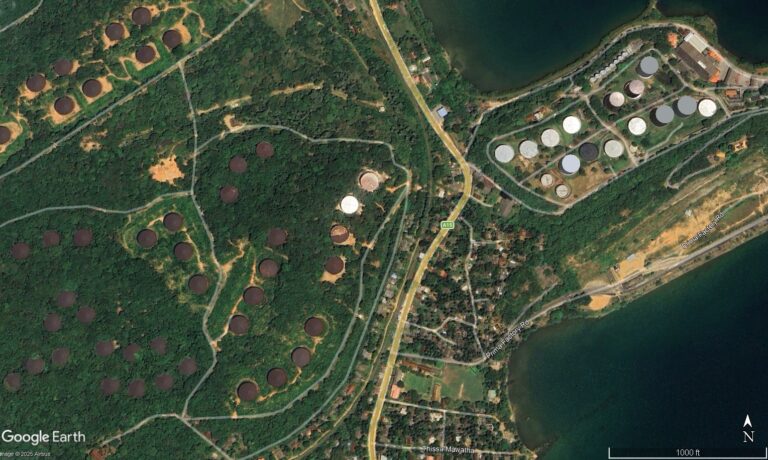
In Trincomalee, 24 tanks are available, with 21 under government control after allocations to Prima. Each tank holds 10,000 metric tons, totaling 210,000 metric tons. However, only a portion is currently operational. Four tanks have been selected for refurbishment under the first phase, with two already completed.
President Dissanayake also said: “A new pipeline system linking the port to storage facilities estimated at Rs. 7.37 billion ($116,911,596.56) is expected to enable an initial operational capacity of 40,000 metric tons.
At Kolonnawa, an 86,000-metric-tonne storage complex is under construction, with completion scheduled for January 2028. The project, comprising eight new tanks, is expected to extend national fuel coverage by approximately 10 days.
Muthurajawela is also set for expansion, with an additional 40,000 metric tons of storage planned at a cost of Rs. 3.5 billion ($10,953,200.20). A further 63,000 metric tons of dedicated aviation fuel storage is proposed, alongside a pipeline connecting Muthurajawela to Katunayake.”
Legacy infrastructure also remains a critical weakness. The 90-year-old pipeline from the Kolonnawa storage facility to the Colombo Port is to be replaced with modern 14-inch (35.56 cm) and 18-inch (45.72 cm) lines at a cost of Rs 12.8 billion ($ 40,058,631.86), while the naphtha (a flammable liquid hydrocarbon mixture) pipeline to Kelanitissa power station will be replaced at a cost of Rs. 1.5 billion ($ 694,110.11). In total, the government has allocated approximately Rs. 30 billion ($ 93,881,683.10) for energy infrastructure upgrades.
Storage limits shape supply strategy
Industry officials say the country’s storage ceiling directly shapes its fuel procurement strategy.
“We have storages in Kolonnawa, Muthurajawela and 10 other sub locations to store refined fuel,” said Mayura Neththikumarage, managing director of the CPC. “Sapugaskanda refinery stores crude oil enough for 45 days.”
He noted that refined fuel storage capacity allows for roughly 25 days of supply, underscoring the system’s reliance on continuous imports and tightly managed inventories.
On the Trincomalee oil tank farm, Neththikumarage highlighted long-standing underutilization. Of the 99 tanks at the facility, only a fraction has historically been in use. While some were transferred to the Indian Oil Corporation (IOC) in the early 2000s, others remain under joint or state control, with refurbishment efforts ongoing.
Gas shortages mirror storage constraints
Liquefied petroleum gas (LPG) storage presents a similar challenge. National capacity stands at just 8,000 metric tons, against a daily demand of between 1,000 and 1,200 metric tons.
To bridge the gap, President Dissanayake told parliament, authorities are considering temporary use of 15,000 metric tons from a privately owned 30,000-metric-tonne terminal. Additional measures include the import of 100,000 new Litro gas cylinders to stabilize domestic supply.
For sustainability expert Vidura Ralapanawe, the storage problem is as much about economics as infrastructure.
Maintaining strategic reserves, potentially covering two months of demand, requires significant working capital, tying up scarce financial resources in inventory that may remain unused for extended periods.
“Wealthier economies can afford to maintain large reserves, but for Sri Lanka, the question is not just whether we can store fuel, but whether we can afford to,” he told CIR.
This financial constraint feeds into broader energy insecurity. Sri Lanka remains heavily dependent on imported fossil fuels, leaving it exposed to global price shocks and supply disruptions.
Seasonal dynamics further complicate the picture. Between February and May, reduced hydropower output increases reliance on oil-based power generation. When global price spikes coincide with this period, the strain on both fuel supplies and public finances intensifies.
Despite these vulnerabilities, progress toward energy diversification has been uneven.
“Policy reversals have slowed initiatives such as electric vehicle adoption and renewable energy expansion, while investment continues in fossil fuel infrastructure. At the same time, limited battery storage capacity forces the grid to curtail significant volumes of solar power during the day. Up to 1.3 gigawatt-hours (GWh) of renewable energy is wasted daily—energy that could otherwise offset costly diesel generation during peak evening demand. The result is a system that remains both inefficient and expensive, with diesel-based electricity generation costing around Rs. 100 per unit,” he pointed out.
Crisis risk extends beyond fuel
Looking ahead, climate variability is expected to intensify these risks. A potential El Niño event could reduce rainfall, limiting hydropower output while increasing electricity demand during heatwaves.
Operational risks at coal-fired plants, including the Norochcholai facility, add another layer of uncertainty.
Ralapanawe cautioned that these overlapping pressures, fuel storage constraints, climate shocks and policy delays, could converge into a high-risk scenario for power shortages. Even without widespread blackouts, increased reliance on diesel generation would impose significant economic costs.
As a precautionary measure, the government has introduced remote work guidelines to maintain public services during potential energy disruptions.
Meanwhile, the ministries of Digital Economy and Public Administration have issued interim protocols enabling government institutions to operate remotely, supported by legally recognized electronic documentation under the Electronic Transactions Act.
The initiative reflects a broader effort to mitigate the impact of energy constraints on public administration, as global instability, particularly unrest in West Asia since late February, continues to influence fuel markets.
President Dissanayake meanwhile has assured the absence of an immediate fuel shortage. However, he has acknowledged the potential impact of an escalating global conflict could force the government to reassess its response.
Sri Lanka’s challenge, then, is not simply securing fuel but building the capacity to store, manage and deploy it effectively.
Without that, the country risks entering an energy crisis not because fuel is unavailable, but because it has nowhere to store it.
This story was written and edited by Gagani Weerakoon. She leads the editorial at the Center for Investigative Reporting (CIR).
This story was produced with support from Report for the World, a global media service strengthening local independent journalism.
In Sri Lanka, air quality consistently deteriorates between October and March, driven by monsoon wind shifts carrying polluted air toward the island.
Data deficiency limits scientific attribution and policy response.
Difficulties in substantiating transboundary impact continues to weaken legal and diplomatic action.
National air quality limits lag far behind global benchmarks, potentially masking the true scale of the Sri Lanka’s air pollution crisis.
COLOMBO – Sri Lanka’s worsening air quality is no longer just a seasonal inconvenience. It is an increasingly complex environmental and public health challenge shaped as much by what is known as by what remains unmeasured. Despite recurring air pollution spikes between October and March, authorities continue to grapple with a critical lack of data sharing, limited monitoring technology, and resource constraints that hinder both scientific certainty and policy action.
This combination of weak institutional coordination and insufficient evidence has left the country struggling to definitively attribute pollution sources, particularly when it comes to transboundary air flows raising urgent questions about accountability, preparedness, and public health risk.
Sri Lanka has long recorded a cyclical decline in air quality during the inter-monsoon and north-east monsoon months from October to March. However, officials say the scale and spread of the problem have intensified in recent years.
Vernika Ranawaka Arachchi, director of air quality, noise and vibration monitoring at the Central Environmental Authority (CEA), said while overall ambient air quality remains within national standards, particulate matter tells a more concerning story.
“Earlier we detected a drop in ambient air quality in several areas in the Northern province. However, in recent years we have witnessed the prevalence of polluted air in several areas across the country. This depends on the wind pattern too,” she said.
Fine particulate matter (PM2.5), the most harmful pollutant due to its ability to penetrate deep into the lungs, rises sharply during this period. According to Ranawaka Arachchi, the increase is closely tied to shifting wind patterns that transport polluted air masses into Sri Lanka.
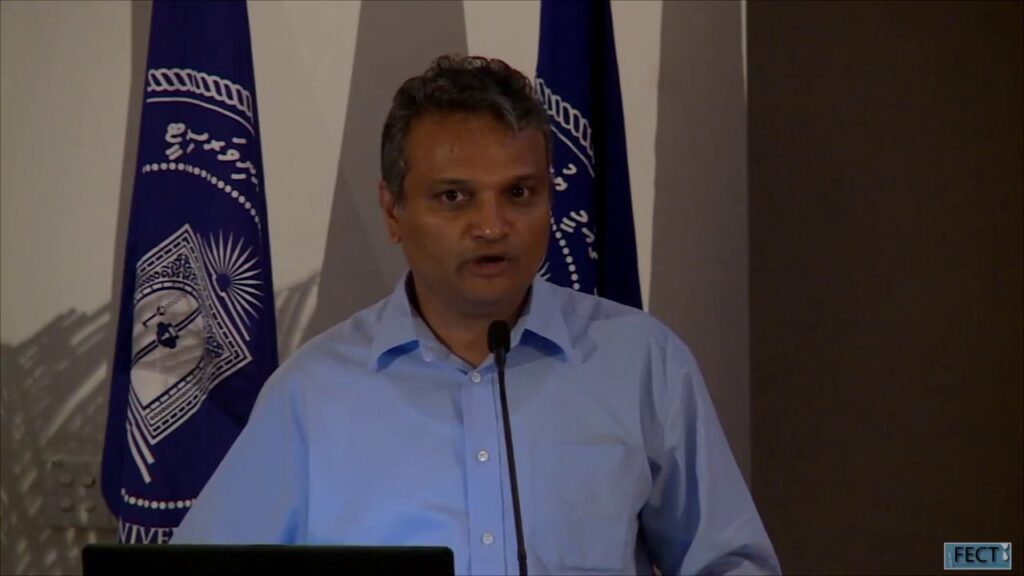
Lareef Zubair, principal scientist at the Federation for Environment, Climate and Technology (FECT). Image courtesy of FECT.
Problem without borders or proof
A significant driver of these pollution spikes is believed to be transboundary air pollution originating from parts of South Asia. Seasonal agricultural practices including post-harvest burning in countries such as India, Pakistan, and Bangladesh release large volumes of pollutants into the atmosphere.
“Generally, this is the time countries like India, Pakistan and Bangladesh engage in harvesting their corn, paddy, maize produce. After this, they burn the residue and these pollutants are carried to this part of the region by winds creating a haze in our atmosphere,” Ranawaka Arachchi explained.
Yet proving this link remains a major scientific and diplomatic challenge.
“Lack of sophisticated and upgraded technology and gaps in data sharing remain biggest obstacles in establishing our air quality is affected by transboundary pollutants,” she said.
Sri Lanka’s relatively small geographic and political footprint further complicates the issue.
“Since we are a very small country and other countries in the region experience extremely low air quality index, our case for cleaner air at international forums almost goes unnoticed,” she added.
Climatological factors reinforce this pattern. Lareef Zubair, principal scientist at the Federation for Environment, Climate and Technology (FECT), pointed to the decisive role of regional wind systems.
“During October to March, north-easterly winds originating over the Indian subcontinent and parts of Southeast Asia carry polluted continental air toward Sri Lanka. These air masses contrast sharply with cleaner marine air from the Indian Ocean, resulting in periodic spikes in pollution levels.”
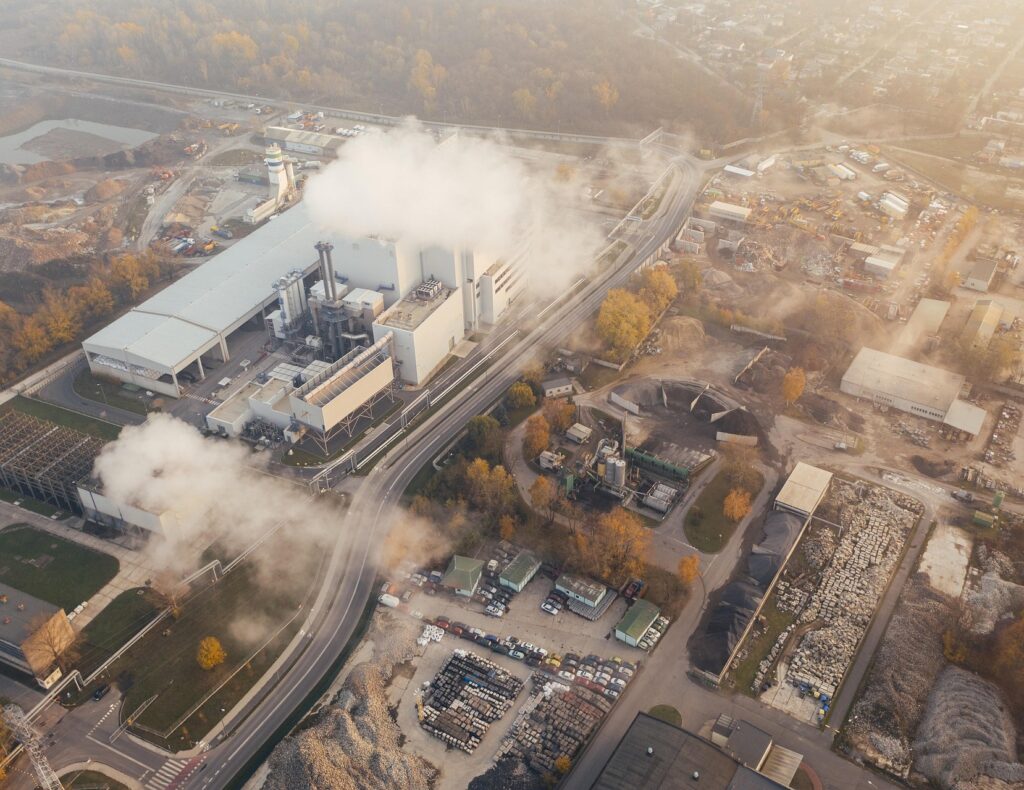
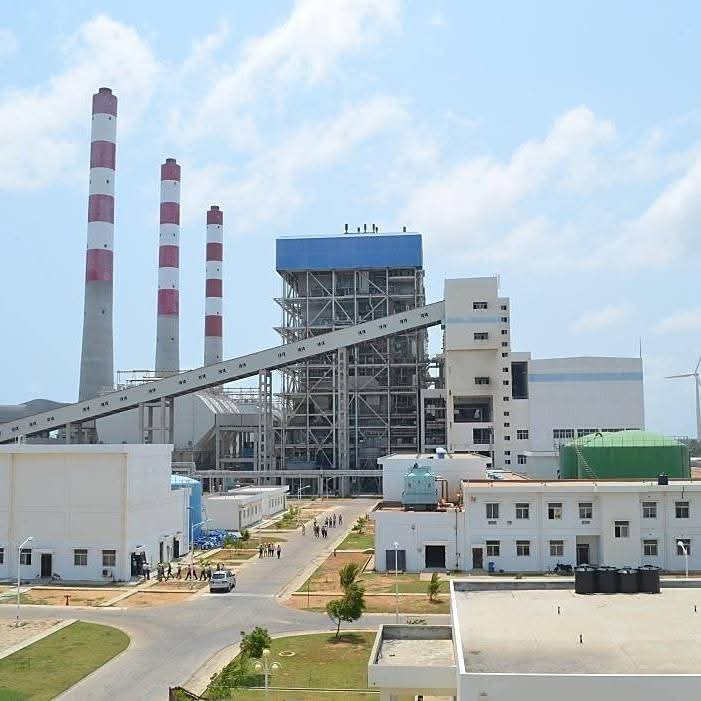
However, Zubair cautioned against attributing the problem solely to external sources. Domestic emissions—from traffic, open burning, and industrial facilities such as the Norochcholai Coal Power Plant—also contribute to pollution peaks. Under certain atmospheric conditions, these emissions can travel far beyond their source, affecting areas including Colombo.
The result is a layered pollution profile in which local and regional sources interact, complicating efforts to assign clear responsibility.
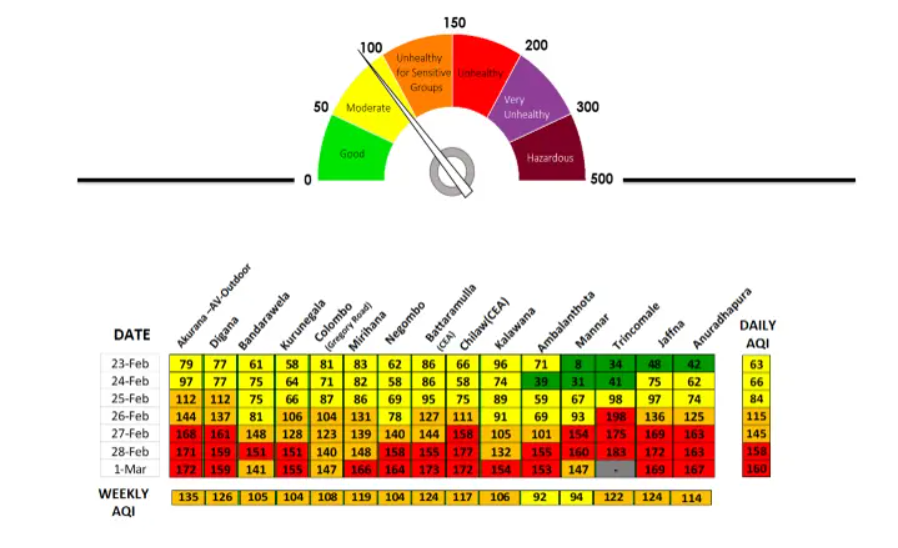
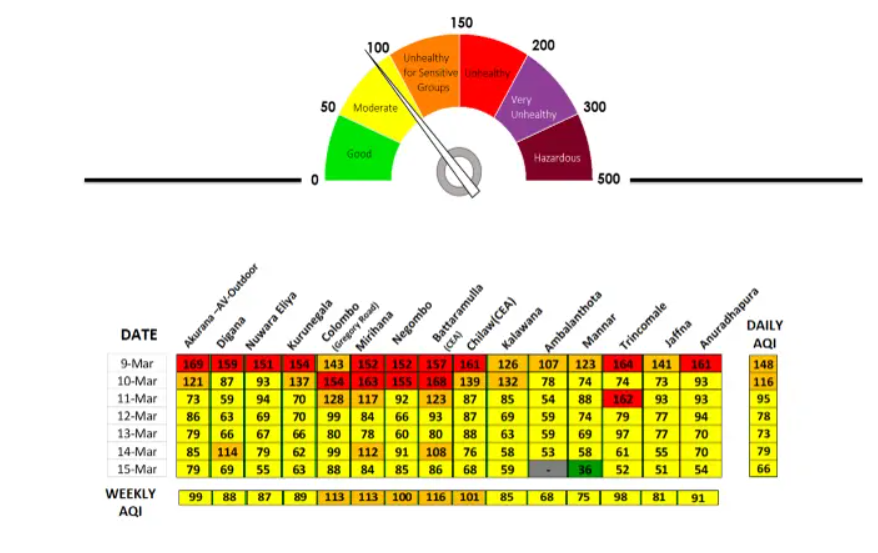
Sri Lanka’s air quality index dropped to unhealthy levels in several areas this February and March. Graph courtesy of FECT.
Public health risks -without the data
The health implications of deteriorating air quality are widely acknowledged but insufficiently documented.
Authorities have attempted to correlate pollution spikes with rising respiratory illnesses, particularly during high-risk months. However, the absence of integrated, time-linked health datasets remains a major obstacle.
“We have requested data from the Ministry of Health on respiratory diseases and other conditions that may have triggered an increase during October–March period. However, what we understood was that there is no such data available or there is no mechanism to share data,” Ranawaka Arachchi said.
This lack of coordination limits the ability to establish causal links between pollution exposure and health outcomes, leaving policymakers to rely on correlations rather than definitive evidence.
In response to worsening conditions, the CEA has developed a multi-agency contingency plan aimed at reducing local emissions during high-pollution periods.
The plan involves coordination with key ministries, including power and energy, transport, health, and foreign affairs but progress has stalled.
“Though it was almost two years since preparing this plan, we are yet to present it as a Cabinet paper. Also, due to lack of resources and funds, we couldn’t even test this contingency plan with drills,” Ranawaka Arachchi added.
Fiscal constraints and competing national priorities continue to delay implementation, raising concerns about the country’s readiness to respond to severe air pollution episodes.
Sri Lanka’s legal framework allows authorities to act against identifiable local polluters. Under the National Environment Act, activities such as open burning and improper waste disposal are punishable offences.
However, transboundary pollution presents a far more complex legal challenge. Environmental lawyer Ravindranath Dabare underscored the difficulty of pursuing accountability without definitive scientific attribution.
“If the source of pollution is certain, action can be taken. But with transboundary pollution, proving origin is extremely difficult,” he said.
Without verifiable data linking pollutants to a specific source, both legal action and diplomatic engagement remain constrained.
Compounding the issue is the inadequacy of Sri Lanka’s air quality standards. Established in 2008, current limits for PM2.5 stand at 50 micrograms per cubic meter—ten times higher than the World Health Organization (WHO) guideline of 5 micrograms.
This disparity raises concerns that official assessments may significantly underestimate the severity of air pollution.
“At the very least, Sri Lanka should move closer to WHO guidelines. The current limits are no longer scientifically justifiable,” Dabare noted.
Updating these standards is seen as a critical step toward strengthening both enforcement and public awareness.
Sri Lanka’s air quality index dropped to unhealthy levels in several areas this February and March. Graph courtesy of FECT.
A regional problem demanding regional solutions
Ultimately, Sri Lanka’s air pollution crisis cannot be addressed through domestic measures alone.
While local enforcement and policy reform remain essential, experts stress that meaningful progress will depend on regional cooperation, supported by robust scientific data and sustained diplomatic engagement.
“This is not a problem unique to Sri Lanka. The entire region is affected. What is needed is coordinated action—regional agreements and sustained diplomatic engagement to mitigate air pollution at its source,” Dabare said.
Until such frameworks are established, Sri Lanka remains caught in a difficult position, able to act on local violations, yet largely powerless against pollution that drifts across its borders, unseen, unproven, and unresolved.
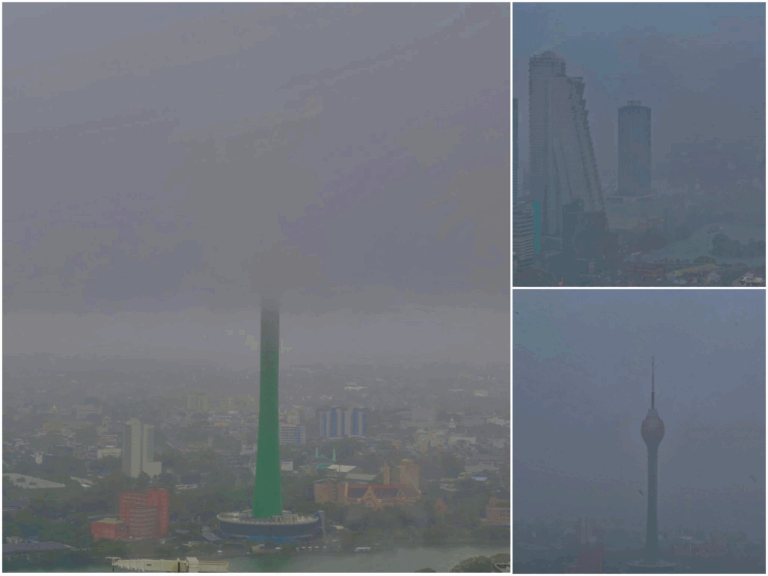
Much like the clouds, takes shape when air becomes saturated with water vapor – water in its gaseous state. Excess moisture is released, coalescing into myriad minuscule and densely-packed water droplets.
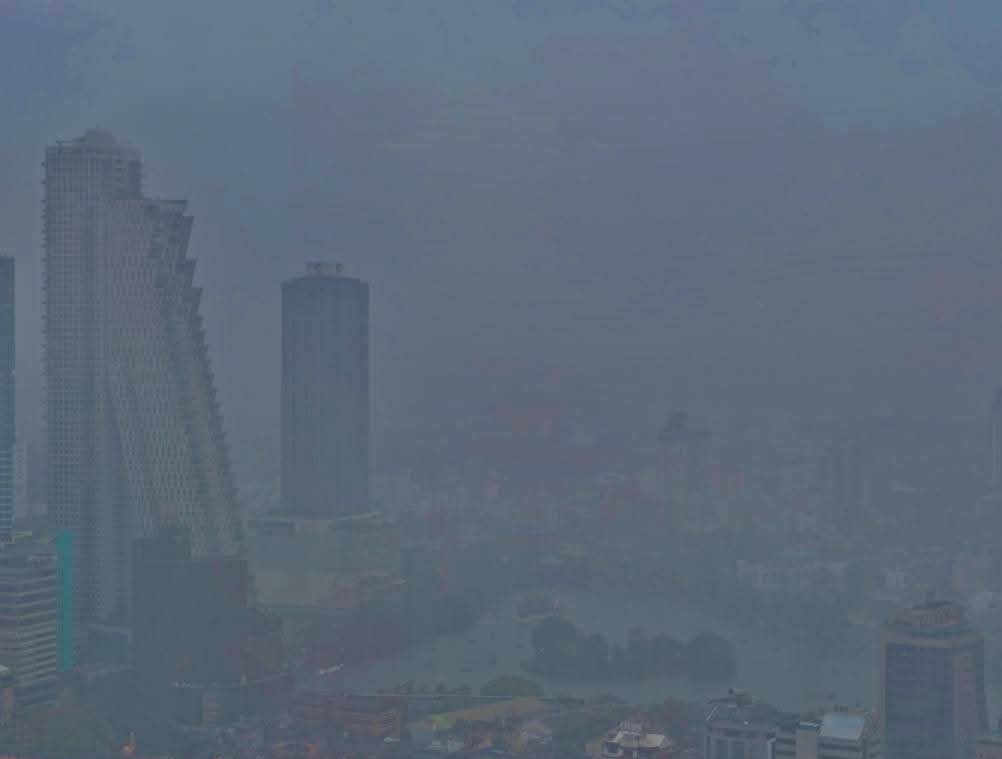
Haze: Image courtesy of Jayasinghe Weerasekara.
Haze
Unlike fog, which is composed of liquid or frozen water particles, haze is a condition in which the air’s lower layer, closest to the surface, contains a high concentration of solid and dry particles that remain suspended for an extended duration. These can include mineral dust, ash and even pollen.
it is a combination of the words “smoke” and “fog”, and it was coined to describe a state of extreme air pollution, mostly caused by human activity like burning fossil fuels or industrial chemical processes.
This story was written and edited by Gagani Weerakoon. She leads the editorial at the Center for Investigative Reporting (CIR).
This story was produced with support from Report for the World, a global media service strengthening local independent journalism.
Mercury(hg) concerns linked to substandard coal at the Lakvijaya Coal Power Plant have raised fears of toxic exposure, with no national standards regulating mercury content in imported coal.
Emission data suggests possible legal violations, while studies indicate mercury may already be entering the food chain through fish, putting coastal communities at risk.
An official audit exposed major procurement failures, including weak supplier criteria, unverified quality checks and billions in financial losses due to inefficient coal use.
The crisis now under a Presidential Commission probe has become a key test of the government’s pledge to ensure transparency, accountability and environmental protection.
COLOMBO – Increasing evidence suggest a potentially dangerous convergence of environmental exposure, public health risks and governance failures surrounding Sri Lanka’s coal-fired power generation.
There are fresh concerns about recent coal consignments containing elevated mercury(mg) levels, resulting in intensified scrutiny of operations at the Lakvijaya Coal Power Plant, Sri Lanka’s largest power station located in northwestern Norochcholai, with environmentalists warning against toxic contamination of marine ecosystems and the human food chain.
The controversy erupts at a politically sensitive moment. The entire coal procurement process has become a litmus test for the ruling National People’s Power (NPP) Government, which swept into office in 2024 pledging transparency and an end to corruption. The resignation of energy minister Kumara Jayakody on April 17 and the appointment of a Presidential Commission of Inquiry chaired by Supreme Court Judge Gihan Kulatunga to probe more than a decade of coal imports underscores the gravity of the crisis. What began as a technical dispute over fuel quality has now evolved into a broader reckoning over weak accountability, regulatory failure and lack of environmental justice.
As the mercury levels in coal purchases give rise to fresh concerns, the Centre for Environmental Justice (CEJ) has claimed the lack of binding national standards for mercury content in imported coal, leaving a critical gap in Sri Lanka’s environmental safeguards. CEJ’s chairperson and environmental scientist Hemantha Withanage cautioned that, “International studies show that mercury content in coal can vary significantly. However, Sri Lanka has still not established a maximum permissible mercury level for imported coal.”
He noted that regulating emissions alone is not enough: “While the environmental protection license (EPL) allows mercury emissions of up to 0.01 mg/Nm³, regulating emissions alone is inadequate without controlling mercury levels at the source.
Mercury poses unique dangers. Released during combustion as vapor, it largely escapes conventional pollution controls such as electrostatic precipitators. While some is absorbed into seawater through flue gas desulfurization systems (to remove Sulphur dioxide), a significant portion is emitted into the atmosphere. Over time, mercury can transform into methylmercury, a potent neurotoxin that accumulates in fish and magnifies along the food chain.”
The CEJ referred to a 2018 study conducted in the Kalpitiya peninsula, near Puttalam, which found troubling levels of mercury exposure among coastal communities. “Twenty-eight out of 36 women, about 77 %, had mercury levels exceeding the internationally accepted safety threshold of 1 ppm,” Withanage told CIR, adding that “the most disturbing finding was a recorded level of 15.584 ppm in one individual.”
“These women were regular consumers of fish from the Puttalam lagoon, suggesting a bioaccumulation pathway,” he said, warning that coastal and fishing populations remain especially vulnerable.
According to Withanage, two separate environment and health tests should be conducted and residents should be compensated. Local legal jurisdiction limitations should not prevent people from being compensated. With wind patterns expected to be changed from next month, environment and health are to be greatly affected. If the North Western Provincial Environment Authority is unable to conduct monitoring based on EPL they issued or impact assessments, the provincial authority should let the Central Environment Authority (CEA) or the Industrial Technology Institute (ITI) to conduct tests, Withanage noted.
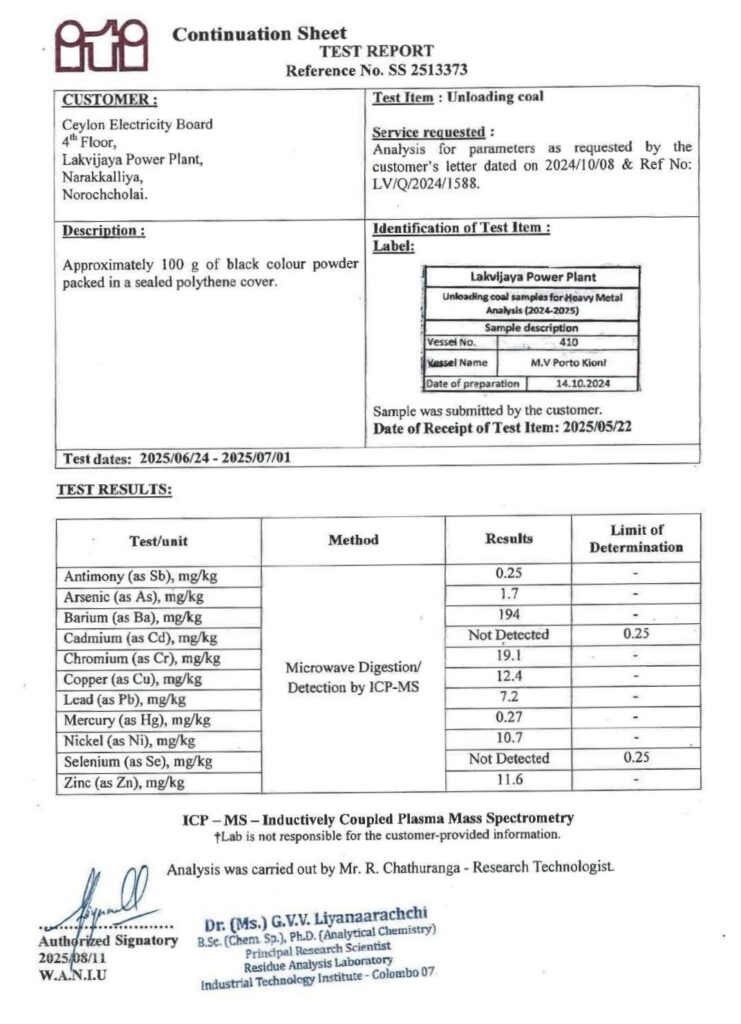
He also said that a test done in 2024 by ITI also proved the presence of heavy metals including mercury and arsenic.
An ITI test has proved that ash emitted by LVPP contain mercury and arsenic above the permissible limits in the EPL.
Regulatory beaches
Sustainability specialist Vidhura Ralapanawe noted that between 600 and 650 kilograms of mercury could be released annually from coal combustion at Norochcholai. “Since we are using 2.2 to 2.5 million MT of coal a year, this comes to about 600–650 kilograms of mercury per annum,” he said.
Ralapanawe also pointed to emission data suggesting regulatory breaches. “The stack emission data shows a value of approximately 36 micrograms per Nm³ – or normal cubic meter – or 0.036 mg/Nm³,” he said, adding that “this is a clear violation” of the permitted 0.01 mg/Nm³ limit.
Recent coal shipments, particularly from South Africa, have significantly higher ash content, compounding environmental risks. Fly ash generation has reportedly surged from around 800 MT per day to between 1,500 and 1,800 MT.
“These numbers indicate the ash content is indeed above the 16 % limit,” Ralapanawe said. He cautioned that the plant has been forced to resume open dumping: “This practice has now come back due to the poor coal quality, and the community is the one paying the price.”
He added that the situation could worsen during seasonal shutdowns of cement plants: “The plant will have to dump the full amount of generated ash to the ash yard… this will increase community impact greatly.”
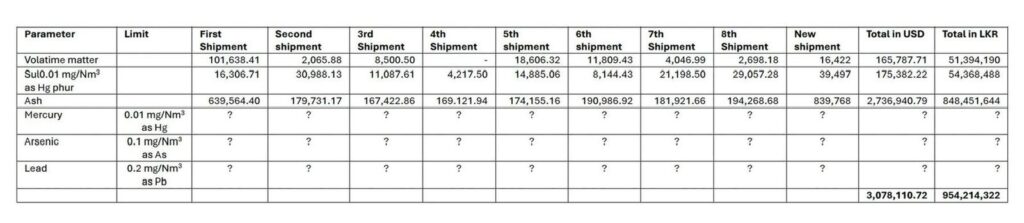
According to CEJ’s Hemantha Withanage, the government has no plans to claim compensation for the presence of heavy metals including mercury, arsenic and lead.
Committee’s chairperson MP Hector Appuhamy told CIR that deteriorating coal quality had significantly increased ash volumes during power generation. The Committee which met on 17 March warned that failure to manage this waste properly could lead to long-term environmental damage, particularly in surrounding communities.
“Officials were instructed to immediately formulate an environmentally sustainable disposal plan under the leadership of Puttalam’s district secretary. The Committee also called for an assessment of whether the ash could be repurposed for industrial use, with any revenue directed toward welfare initiatives for communities affected by the plant’s operations,” he said while adding these reports will be taken up at the next meeting on May 5, 2026.
According to the chairperson Appuhami, the committee strongly believe the CEA should intervene in conducting comprehensive study and submitting a report on environmental impact as they (the SOC) does not believe the provincial environment authority is in possession of expertise required.
“Though Lakvijaya Plant is in NWP, the smoke once enters the atmosphere doesn’t stay in the province, the impact of pollutants discharged to the sea and coal fall into sea during the unloading process, is not restricted to NWP. This is why we thought on calling Health Ministry officials, CEA, all private and state environment and marine stakeholders who have carried out studies or made some kind of intervention regarding negative impact to health and environment of the people in the area to the SOC meeting on 5th May” Appuhami said.
Meanwhile, Sugath Emanuel, secretary of Kalpitiya Peninsula Tourism Association claimed they constantly lobbied with authorities and environmental groups to take necessary action to mitigate environment pollution caused as a result of coal power generation.
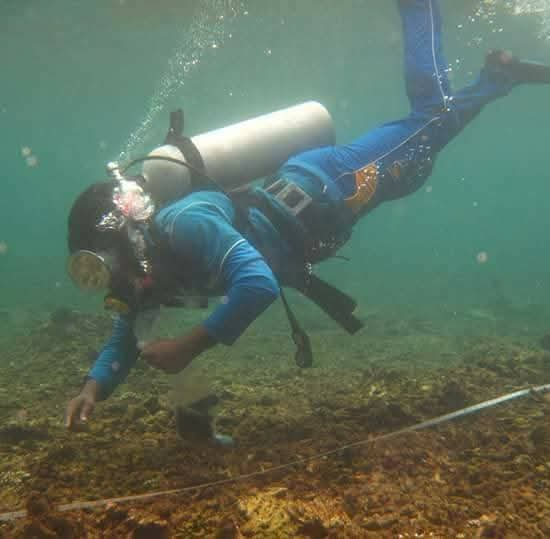
“The hot water discharged by the plant to the see from its cooling system creates hot waves in the seas affecting marine bio diversity. Over the years tons of call fell into the see while being unloaded and we have observed it affect our corals. This in return is affecting tourism in the peninsula,” Emmanuel told CIR.
The North Western Provincial Environmental Authority has also been given a two-week deadline to respond to a series of queries raised by NWP lawmakers.
While provincial officials maintained that existing filtration systems are capable of handling the increased ash output, the issue of environmental compliance, including the conditions tied to the plant’s environmental protection license, remains under close scrutiny.
The intervention signals growing institutional pressure to address both the immediate environmental risks and the systemic failures that have brought Sri Lanka’s coal dependency under renewed scrutiny.
Director of NWP environment authority, S. K. A. Wanniarachchi said they have conducted an immediate stack emission test at Lakvijaya power plant following SOC meeting.
“This was in addition to quarterly stack emission tests we conduct and we also convened a meeting of our experts panel to get their views and ideas and prepared a report as requested by the parliament committee,” he said
Meanwhile, a special audit by Sri Lanka’s National Audit Office painted a damning picture of systemic failures in the 2025/2026 coal procurement cycle. The state-owned Lanka Coal Company (LCC) is accused of diluting supplier criteria, allowing companies with questionable track records to qualify.
Independent inspectors tasked to verify coal quality at loading ports were found to be unaccredited or operating with expired licenses, rendering test reports unreliable.
The operational consequences were immediate. The plant, designed to generate 300 megawatts per unit, was frequently forced to run at reduced capacity. Lower-quality coal increased fuel consumption significantly, contributing to an estimated financial loss of Rs2.24 billion ($ 6,948,711) across nine shipments, according to the audit report.
The government’s decision to appoint a presidential commission to investigate coal imports dating back to 2009 signals that the crisis extends beyond a single procurement cycle. The probe will examine hundreds of shipments over 15 years, with authorities pledging legal action if wrongdoing is established.
Sugath Emanuel claimed coal fell into sea while being unloaded from the ship and polluted hot water discharged to the sea from the power plant has affected marine bio diversity. Image courtesy of Sugath Emanuel.
Substandard shipments
Environmentalists argue that the absence of mandatory testing for toxic elements such as mercury, arsenic and lead at loading ports, combined with logistical constraints that prevent rejecting substandard shipments once unloaded, leaves Sri Lanka exposed to repeated failures.
With shifting wind patterns expected in the coming months, the dispersion of pollutants could intensify, expanding the zone of environmental and health impacts. For communities around Norochcholai, the risks are immediate, Withanage noted.
For the government, the implications are equally significant. The unfolding coal controversy has become a defining test of its commitment to transparency, environmental protection and accountability, one that may shape both the future of Sri Lanka’s energy sector and public trust in its institutions.
This story was written and edited by Gagani Weerakoon. She leads the editorial at the Center for Investigative Reporting (CIR).
This story was produced with support from Report for the World, a global media service strengthening local independent journalism.
The Global Investigative Journalism Network (GIJN) has launched the GIJN Academy, a global hub designed to connect, support, and expand the investigative journalism community. The initiative brings together early-career reporters, experienced investigative journalists, academics, trainers, and subject experts into a shared space for training, networking, and knowledge exchange. At a time marked by growing threats to democracy, climate challenges, disinformation, and risks faced by journalists in exile or under repression, the Academy aims to strengthen resilience by equipping journalists with the tools, skills, and networks needed to hold power to account.
Through a mix of masterclass videos, online and in-person training programs, webinars, and mentorship opportunities, GIJN Academy supports journalists at every stage of their careers. Its current offerings cover a wide range of topics, including investigative fundamentals, online scams, satellite imagery, corruption schemes, environmental crimes, AI and technology, data journalism, and more. The Academy emphasizes practical, up-to-date learning, encouraging collaboration among participants while fostering innovation and continuous professional development.
Looking ahead, GIJN plans to expand the Academy with new courses, multilingual resources, academic materials, and global partnerships with universities and journalism organizations. With a strong focus on accessibility, the initiative will provide free training manuals and resources while also offering customized and fee-based programs to ensure sustainability. By building a comprehensive curriculum and strengthening global collaboration, GIJN Academy seeks to empower journalists worldwide and contribute to greater transparency and accountability in the public interest.
Seven years ago, on 21 April 2019, sun dawned to just another Sunday. Churches in Sri Lanka were crowded than on any other Sunday as worshipers gathered for early morning mass to celebrate Easter, a holy day that marks Jesus rising from the dead, three days after his execution. In Colombo, hotels were prepared for another day of tourists seeking the island’s post-war calm and special breakfast offers to mark Easter Sunday.
Families gathered in quiet rituals as on any other Easter. For the rest of the Sri Lankans, it was a ‘normal Sunday’. Yet, by nightfall, the country was counting its dead.
A morning of fire
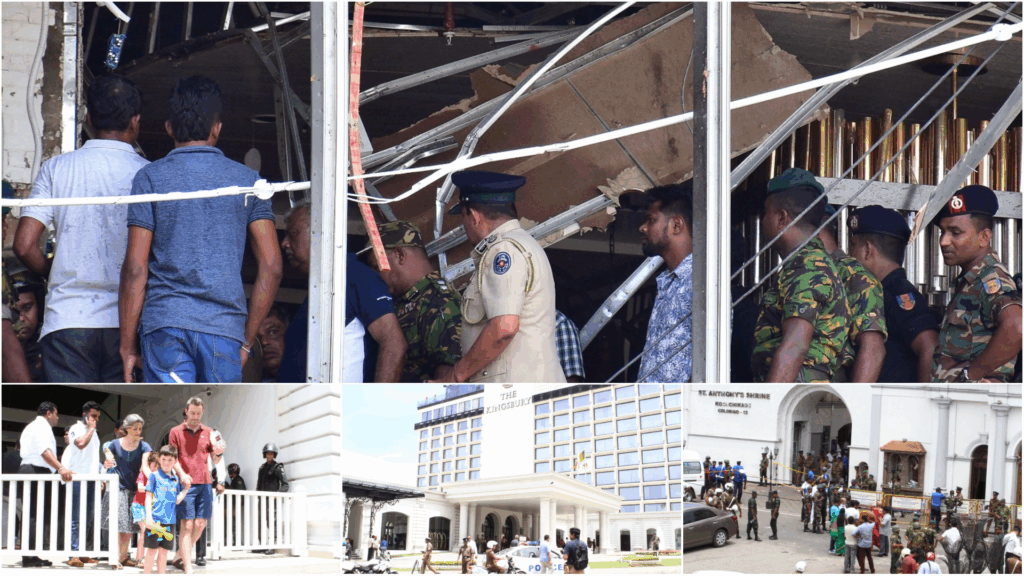
At approximately 8:45 a.m., the first explosion tore through St. Anthony’s Shrine, Kochchikade, in the heart of Colombo. Minutes later, blasts followed in rapid succession – St. Sebastian’s Church Katuwapitiya, Zion Church, Batticaloa, and then Colombo’s luxury hotels: the Shangri-La, Cinnamon Grand, and Kingsbury.
Witnesses would later recall scenes of disorientation and horror, pews splintered, stained glass shattered, bodies strewn across aisles.
Within an hour, Sri Lanka had come under attack. By midday, it was clear this was no isolated incident but a coordinated assault. Additional explosions in Dehiwala and Dematagoda confirmed the scale.
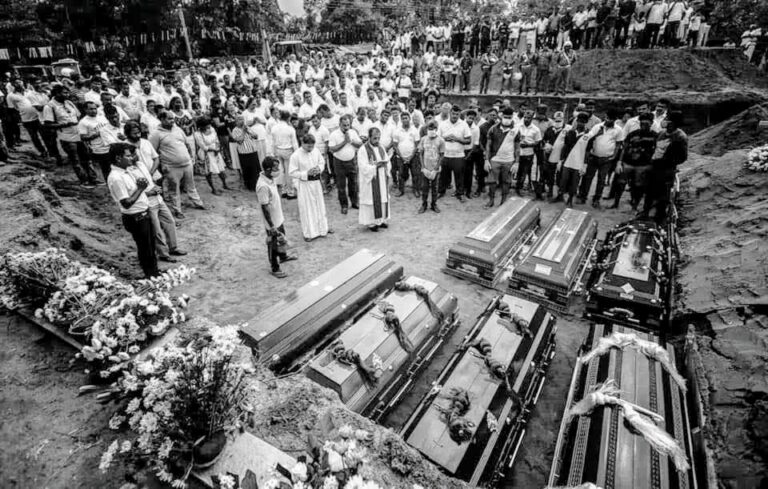
The final toll: 279 people killed, more than 500 injured. Among them were children, entire families, and dozens of foreign nationals. It was the deadliest violence the island had witnessed since the end of its civil war a decade earlier.
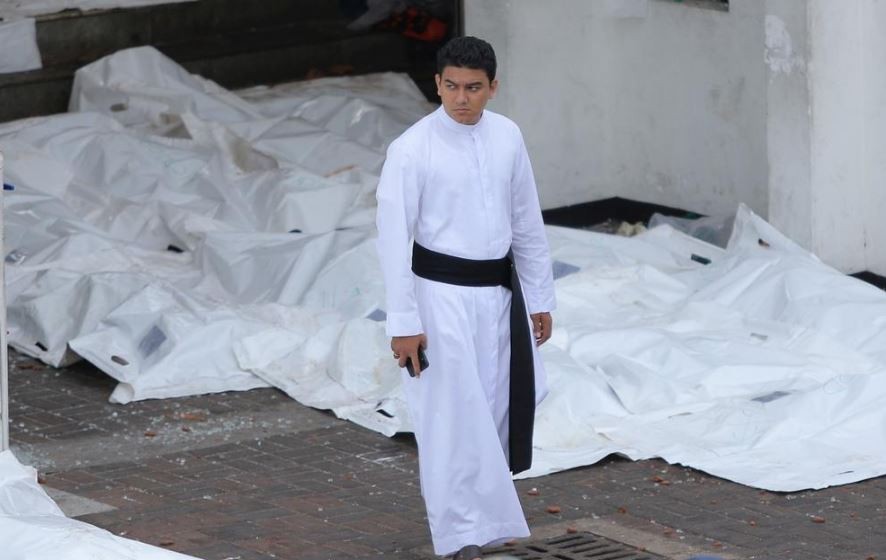
A shocked catholic priest walk past covered victims of the Easter Sunday bomb blast at St. Anthoney’s Shrine, Kochchikade in Colombo. Image courtesy of Tharaka Basnayaka.
Unheeded warnings
In the weeks that followed, a troubling narrative began to emerge, not just of terror, but of failure.
Intelligence warnings had existed but not heeded.
Days before the attacks, a detailed alert circulated within security circles, naming individuals linked to a little-known extremist group, National Thowheeth Jama’ath, and warning of planned suicide bombings targeting churches. The name of a radical preacher, Zahran Hashim, appeared prominently.
The information was specific. It was actionable. It was not acted upon.
The immediate aftermath was defined by urgency and fear. A nationwide curfew was imposed. Social media platforms were blocked in an attempt to curb misinformation and prevent further unrest. Security forces launched sweeping operations across the country.
Hundreds were detained. Safe houses were raided. Explosive materials were seized. Authorities confirmed that the attackers were Sri Lankan nationals, radicalized locally but inspired by global jihadist ideology. The Islamic State (also known as ISIS and ISIL) claimed responsibility, though the operational planning appeared rooted within domestic networks.
Churches closed their doors. Armed guards stood at entrances when they reopened weeks later. Tourism, one of the country’s key economic pillars, collapsed almost overnight.
Sri Lanka had entered a new and uncertain phase.
As multiple explosions rocked commercial capital Colombo with several luxury hotels being targeted security was beefed up with foreign tourists were seen shaken. Image courtesy of Sajeewa Chinthaka.
Accountability and Its discontents
In the months and years that followed, the search for accountability became as complex as the attacks themselves.
A presidential commission of inquiry documented “serious lapses” in intelligence handling and national security decision-making. It recommended action against senior officials. Legal proceedings began against both alleged perpetrators and state actors accused of negligence.
Yet, progress has been uneven.
The Catholic Church, representing many of the victims, has remained one of the most persistent voices demanding justice. “We cannot accept half-truths,” Archbishop Malcolm Cardinal Ranjit said during a commemorative service. “The people deserve to know who allowed this to happen.”
For many families, grief has hardened into suspicion.
The attacks reshaped Sri Lanka’s political landscape. National security became the defining issue in the months that followed, culminating in the election of Gotabaya Rajapaksa later in 2019, on a platform promising stability and strength.
But the politicization of the tragedy has also deepened divisions. Competing narratives—of incompetence, conspiracy, and calculated inaction—have complicated efforts to establish a single, authoritative account.
In 2023, an international documentary reignited controversy, alleging possible links between elements of state intelligence and the attackers. Though strongly contested, the claims prompted fresh investigations and renewed public scrutiny.
For survivors, the memory is not confined to a single day. It lingers in empty seats at family tables, in annual memorials, in unanswered questions.
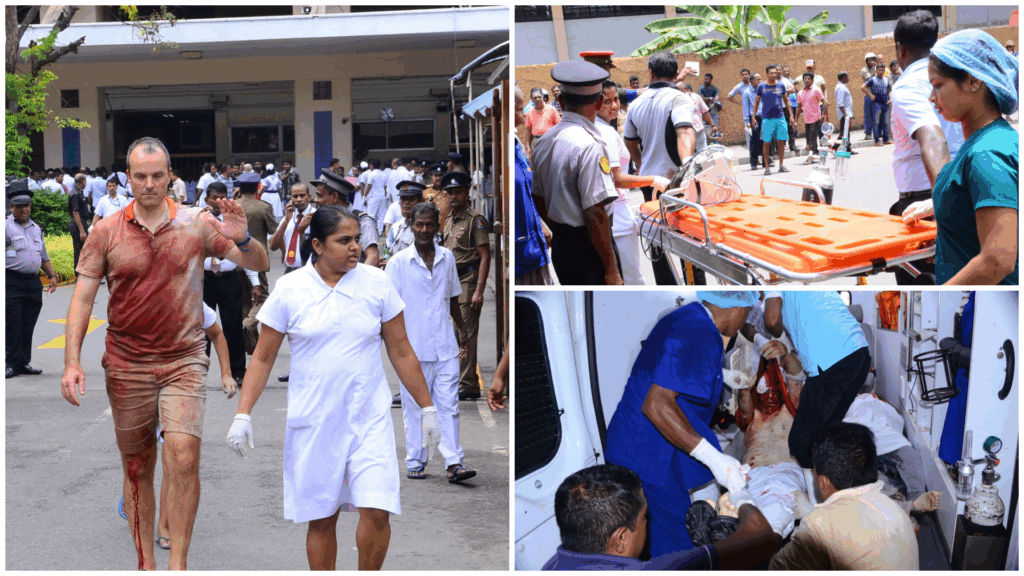
Victims were rushed to the National Hospital of Sri Lanka in Colombo. Few dozens of victims were foreign nationals who came to enjoy the serenity and nature of Sri Lanka. Image courtesy of Udesh Ranasinghe.
A case that refuses to close
Recent developments suggest the story is far from over.
In 2026, authorities arrested former intelligence chief Suresh Sallay, accusing him of aiding and abetting the attacks, an allegation that, if proven, could fundamentally alter the narrative of what occurred.
Multiple cases remain before the courts. The main criminal case (Case No. HC 2972/21) is being heard before a Trial-at-Bar in the Colombo High Court against 24 accused (originally 25, with one passing away in prison). They face 23,269 charges under the Prevention of Terrorism Act (PTA), including conspiracy to murder, aiding and abetting, and collecting explosives.
Investigations continue to probe not only the attackers but the systems and individuals that failed to stop them.
Seven years on, the physical scars of Easter Sunday have largely healed. Churches have been rebuilt. Hotels have reopened. Life, in many ways, has resumed.
But the deeper wounds remain.
For survivors, the memory is not confined to a single day. It lingers in empty seats at family tables, in annual memorials, in unanswered questions.
Was this merely a catastrophic failure of coordination? Or was there something more deliberate, more troubling, behind the inaction?
The answer continues to elude Sri Lanka.
And until it is found, Easter Sunday 2019 will remain not just a tragedy but an unfinished story.
This explainer was written and edited by Gagani Weerakoon. She leads the editorial at the Center for Investigative Reporting (CIR).
This explainer was produced with support from Report for the World, a global media service strengthening local independent journalism.
Sri Lanka is navigating a fragile political transition following a period of unprecedented economic collapse and public unrest that upended its traditional power structures. The wave of popular protests that culminated in leadership change created space for a new political direction, with voters signaling a clear demand for accountability, reform and a break from entrenched governance practices. Yet, the legacy of economic hardship and institutional weakness continues to shape the country’s political landscape, making the process of renewal both urgent and complex.
As the report highlights, the road to a genuine political reset is far from smooth. The new leadership faces the dual challenge of stabilizing the economy while meeting high public expectations for systemic change, including tackling corruption and strengthening democratic institutions. Managing these competing pressures, amid ongoing fiscal constraints and social discontent, will be critical in determining whether Sri Lanka can move beyond crisis toward a more stable and credible political future.
As generative AI usage rises in India, image, video, and audio morphing are becoming easily accessible. Without sufficient guardrails and laws in place, this accessibility poses a grave threat to the digital safety of women and other gender minorities.
(Trigger warning: The story contains descriptions of digital sexual abuse and violence. Reader discretion is advised.)
Twenty nine-year-old Dimple Adiwal received an unexpected email on February 4. At first she ignored it, but as she scrolled down to check its content she was aghast to see a nude version of her LinkedIn profile picture shared on an open Telegram channel with graphic sexual content.
As someone who has been talking about patriarchal structures and women’s rights on her public Instagram page, she has become used to threatening messages and violent comments. But this was more than that.
“When I scrolled down, this person had taken particular efforts to send me the screenshot of [the] morphed picture and the fact that he had circulated this on Telegram,” said Adiwal, who is originally from the western state of Maharashtra and is currently pursuing her PhD in Rennes, France.
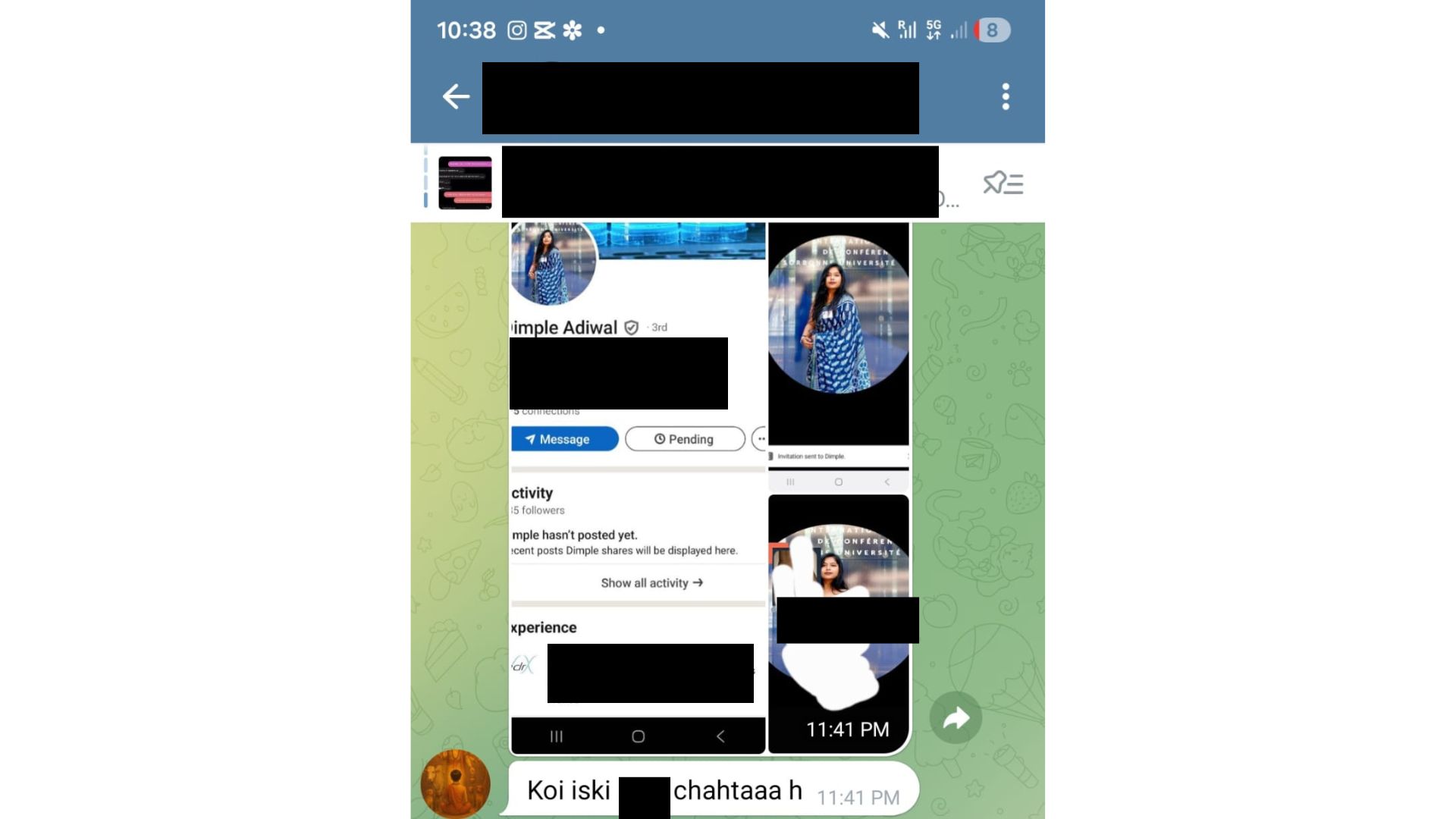
Screenshot of the Telegram group on which Dimple Adiwal’s images were circulated. We have refrained from adding the screenshots of the abusive emails due to the explicit nature of the content. Screenshot: Telegram via Dimple Adiwal
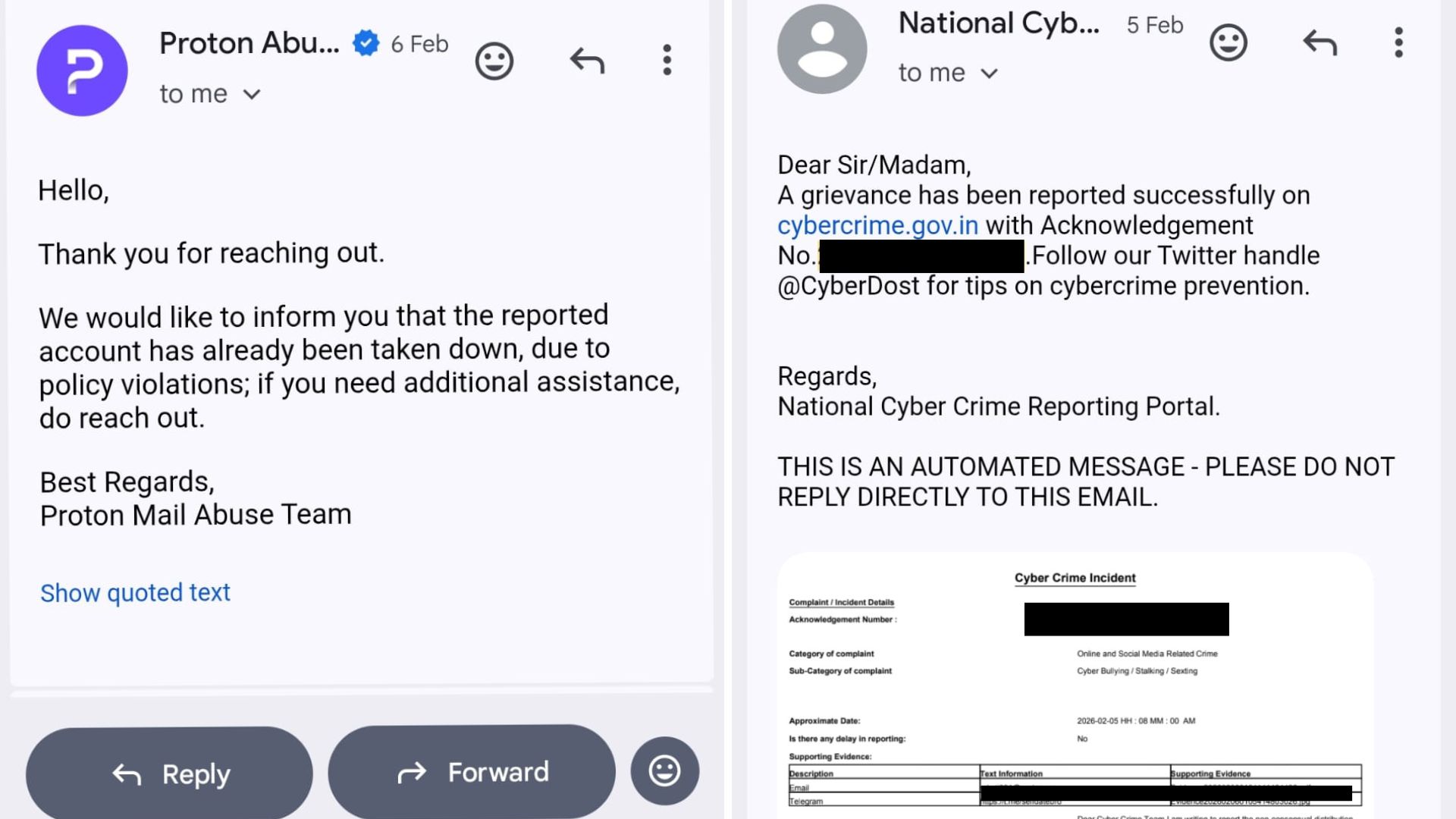
Adiwal filed a complaint with the National Cyber Crime Reporting Portal in India, Telegram, and Proton Mail (the perpetrator had used a Proton email address). The email ID was eventually taken down and Telegram shut down the channel, but she says that she received nothing more than a tracking ID from the cyber crime reporting portal.
Screenshots of the complaints sent to NCCRP and Proton Mail. Screenshot: via Dimple Adiwal
This is yet another example of how technology has been extensively exploited to facilitate gender-based violence, largely targeting women and gender minorities. It’s not a recent phenomenon, it has been around since the inception of the internet. But with easy access to free online tools that create realistic imagery, the trends around tech-facilitated gender-based violence have been changing.
“Using text to manipulate has been very common, like adding curse words under an image. Then you have the next level, which is using Photoshop or an image editing app, like cropping the body of a porn star or someone in a bikini and then putting the girl’s face on top of it in a crude manner. This needs a slightly higher order of digital ease. But in about 2024, we started getting the first cases where generative AI was being used,” said Siddharth Pillai, co-founder, RATI Foundation, a Mumbai-based NGO working to empower women and children.
Anecdotally, easy access to AI tools has led to an increase in digital abuse but there is not enough research to cement that argument. However, what is undeniable is — AI has made image, audio, and video morphing extremely accessible. What previously required working knowledge, subscription to photo editing tools, and access to a computer, now requires a few minutes and a single prompt to a chatbot.
Shalin Maria Lawrence, a social and political activist from the southern Indian state of Tamil Nadu, shared a story similar to Adiwal with us.
The 42-year-old dalit activist said that in 2024 her husband received 23 emails with graphic threats of physical and sexual violence against her and their then two-year-old child. The emails were accompanied with morphed images of both.
She says as an activist and a political commentator she is used to receiving vile and vicious comments, but with AI the harassment has reached new heights.
“They used AI to insert my picture into a soft porn Malayalam movie. They have also said [that] I was in a room with some BJP (Bharatiya Janata Party) leader somewhere. They will give you death and rape [threats] in a grotesque manner and they will also describe how they want to rape you,” Lawrence shared with us.
TechSakhi, a digital safety helpline by Mumbai-based non-profit Point of View, found that since they launched in 2022, they’ve received over 1,100 cases related to tech-facilitated gender-based violence. When they analysed the data in 2024, about 40 percent of those cases had some component of image-based abuse.
“Many of these images are publically shared images taken from social media or as part of profile pictures on messaging apps — then repurposed and disseminated without consent, by the perpetrator,” said Shohini B, knowledge specialist, Point of View.
For journalist Shivani Kava, this kind of targeted harassment has unfortunately become routine. But the intensity and frequency shot up last year when she was reporting on the Dharmasthala mass burials. The case was based on the complaint of a sanitation worker in Karnataka’s temple town of Dharmasthala. The worker has alleged that he buried several bodies of children and women on the orders of his supervisors between 1995-2015.
“One person actually took my Twitter photo and made a caricature of it, which gave me enlarged breasts and put pimples on my face. And that photo was widely shared,” said Kava, a senior reporter with a digital news portal The News Minute.
After receiving threats of physical and sexual violence, Kava said she stopped sharing her personal life online. But her work as a digital journalist requires her to be on camera and her videos to be publicly available, leaving her vulnerable.
One of the most common misuses of AI is to create non-consensual intimate imagery (NCII) of women. Beginning December 2025, Elon Musk’s Grok was used to generate millions of nude images of women and minors.
The prompt “put her in a bikini” was widely used to generate non-consensual sexual imagery of women. Source: Eliot Higgins/LinkedIN
RATI Foundation runs a national helpline called Meri Trustline (translation: my trustline), where people can seek assistance with digital abuse and cyberbullying. Ritu Jain, a counsellor at the helpline, spoke of a recent case where they found that Instagram’s AI Studio was revealing phone numbers of users.
Both TechSakhi and Meri Trustline have also noted sexual harassment threats and cases connected to fake “instant loan” apps. Distorted audio is also becoming common, with popular songs being modified and then misused over imagery of women.
Continued Harm and Irreversible Impact
While AI’s role in the conversation about digital violence is still examined, what hasn’t changed is the impact of gender-based violence on women.
A recent report, published by Equality Now and Breakthrough, on tech-facilitated gender-based violence in India shows that the psychosocial impact of such acts is profound. The report included interviews of nine survivors and eleven experts across India and noted that young women didn’t want to speak up due to the fear of retribution.
Manjusha Madhu, co-author of the report, said that despite the harm they experienced almost none of the young girls wanted to involve their families because that would mean immediate restriction on their mobility.
Within India’s sociocultural context, such a reaction is not unusual.
“It’s the enormous role that culture constructs around purity and the idea that women’s bodies carry community, family, honour, pride,” said Madhu, adding, “women’s bodies are perceived as vessels of these great cultures, that they are symbolic. And any sort of overstepping is considered an unforgivable transgression.”
Once an image, morphed or otherwise, is circulated, there is no way for the survivor to stop its spread or to prevent it from reaching their family and friends.
For Adiwal, the first thought on receiving her morphed image was to worry about her mother.
“A lot of people already blame my mother. [They say], ‘You did not teach your daughter good manners so that’s why she is speaking nonsense on the internet.’ So, I was not worried that my nude picture was going to go around, I was more worried that these people would target her more,” said Adiwal.
A common tactic deployed by the perpetrators of digital violence is the use of multiple accounts and social media platforms. Helplines such as Meri Trustline report these accounts to the relevant platforms and conduct reverse image searches to report all versions of the content.
But taking down the content can often take time and the impact on the survivor is irreversible.
Lawrence said that while she has developed resistance, other women she has worked with often withdraw from public life. “After one incident, most women stop voicing [their opinions]. They say, ‘We can’t do it. Our families are very strict.’ The humiliation and trolling doesn’t settle with women. They fear this kind of troll[ing] or abuse will affect their marital, academic, and work life.”
The report published by Breakthrough and Equality Now, too, underscores that women often disengage from online and public spaces citing safety concerns. ”Survivors speak of mental fatigue, public shaming, career disruption, and the sense that justice systems are not designed to protect them.”
Meanwhile, automated redressal mechanisms have several gaps, and a glaring one is the difference between perceived and experiential severity.
“For some, only a nude image or partially clothed image might be sexually explicit but for others, depicting someone in a saree and blouse with a deep neckline might be sexually explicit,” said Shohini.
But the parameters for image based harm and its subsequent moderation are very narrow, with little scope for cultural context or appeals. And in the time between filling forms, waiting for action, follow-ups, and rejections, the image could already be in a hundred different places, and the survivor’s right to be forgotten is forgotten.
Societal Norms — An Aggravator
For the last few decades, conversation around women’s rights in India has been focused on awareness. But it’s not the lack of formal education that drives this kind of violence and harassment, it’s also the deeply entrenched conservative social norms.
“We are increasingly recognising that the same gender norms that manifest in our physical world are essentially replicated in the online space,” said Madhu.
A survey study of 186 young people in Delhi conducted by Men Against Violence & Abuse (MAVA), a Mumbai-based NGO, and Project Unlearn, a Delhi based grassroots organisation working with at-risk youth, found that while their respondents strongly rejected explicit harm (such as rape and child abuse), male respondents continue to tie women’s worth to marriage and conservative ideals.
Meher Suri, a public health practitioner who co-led the study, said one of the sharpest gender splits was a situational assessment about digital consent. It asked young boys and girls if they agreed with the following statement, “If a girl’s private photos get leaked, it is her fault.”
“The girls in the age group 14-16 had near total disagreement, but boys 12-14 had high agreement, up to 60 percent,” said Suri. “Clearly, with respect to digital consent and accountability, girls completely agree that they’re not at fault, whereas boys feel the onus falls completely on young women.”
The study posits that awareness is not the constraint. Renegotiating everyday power, especially where ideas of family honour and reverence are concerned, should be the primary focus area.
“We have observed that wherever there is a need for intervention, girls more often than not come forward and there is aggregation amongst them or there is this need to intervene or interfere or come together. There is some amount of consensus that is already built amongst them. But with boys there is this fear that if we interfere, our existing social dynamics will get messed up or the relationships that we have with our fellow male peers will fall apart and will invite social rebuke or will make us social outcasts,” said Suri.
When These Biases Creep into AI Systems
Generative AI’s adoption of pre-existing societal biases and norms is a well-recorded phenomenon. However, now the conversation is moving towards the narrative of inevitability — what can developers do when AI is expected to imitate human behaviour and human behaviour is flawed?
Generative AI is non-deterministic, i.e. it can produce varying outputs for the same input. This fundamental facet has contributed to AI being viewed as a black box, whose outputs cannot be regulated.
“When you’re giving inputs over a long period of time, that’s when the model can potentially go out of alignment. So it can become unsafe,” said Karandeep Anand, CEO of Character.ai, a chatbot where users can converse with bots that emulate fictional characters.
“How do you solve for that? You solve it by making very clear product decisions on top of it, saying okay, the AI is a non-deterministic system, but I will not allow you to have more than 30 turns of conversations. Or I will not let you have conversations of this type of context,” Anand told Asian Dispatch on the sidelines of Synapse Conclave, an AI-centric event by former journalist Shoma Chaudhary.
But people like Shohini, who see how big decisions at tech companies are made, believe that these questions about user safety need to be asked far earlier.
“Mainstream solutions often advocate for more data sets, rather than asking the more fundamental question of what knowledge is being visibilised, for whom, and what happens when that is not rooted in the needs of its communities?,” said Shohini.
The question is also of intent. Do platforms consider guardrails that ensure protection of women, minors, gender minorities, marginalised, and vulnerable groups?
“This is not particular to AI imagery, but on Telegram and Twitter [now X] etc., you will find more explicit content because their community guidelines make space for that. So there will be chances of more because you can nudify a person using the functionality of the app itself, whereas that is not possible on Instagram,” said Pillai.
According to an analysis of Grok by the Centre for Information Resilience, basic safeguards can also have an effect in limiting the scale and severity of abuse. It suggests moderation of key phrases (keywords and phrases are often copy-pasted across platforms) which are widely used to create non-consensual imagery, holding offenders to account, ensuring safeguards exist across entry points, and recognising AI-generated sexual imagery as abuse.
Laws, Policy Gaps, and Regulation
In India, tech-facilitated gender-based violence and cyberbullying are covered under various sections of other crimes such as voyeurism, stalking, and identity theft. Earlier this year, the government notified its framework related to AI-assisted abuse, making it illegal to generate non-consensual intimate images. The effectiveness of this framework is yet to be tested.
Vivek Sood, a criminal lawyer in the Supreme Court of India, believes that deepfakes and AI-generated content should be a separate crime that attracts harsher punishment.
“It should not be a light punishment because it almost amounts to a social death of the victim. The impact is so grave on the victim’s profile, social relations, and family. So this crime needs to be deterred with harsh punishments,” said Sood. “Also, it’s an organised crime. These are crimes that are done in a planned way, where you use technology deliberately, you spend time on it.”
Sood also says that the removal of harmful content should be handled at the national level.
“Immediate action should be taken to take down a deepfake. Why should a victim have to knock on the doors of the court and seek some kind of a take down order? It should be investigated expeditiously, rather than a hapless victim having to go through the rigmaroles of the local police station,” said Sood.
As per a 2025 report from RATI Foundation and Tattle, cases involving AI-based sexual abuse appeared to be part of larger online sexual or financial rackets.
In another report analysing year-on-year trends of digital harm, they noted that a majority of cases handled by their helpline evolved into coordinated, network-driven abuse, fueled by the speed and scale of online platforms.
“Abuse was no longer about isolated acts; it became about systems of coordination, where majority perpetrators operated as part of larger networks,” read the report. “Addressing such harm demanded more than removing individual pieces of content—it required dismantling the cross-platform ecosystems that allowed the abuse to flourish.”
The barriers to regulation are multifold — made more difficult by the distribution of power between tech platforms and each country’s laws.
A lack of standardisation means that the reporting and grievance redressal mechanism is different on every platform, shifting the burden on survivors. Content can originate from one country (with its own laws about consent and violations) but the harm is perpetrated somewhere else. Digital literacy varies by region, age, gender, accessibility and more — and national reporting mechanisms don’t account for these gaps.
But what is often glaringly missing in discussions of regulation are those impacted by such violence and their experiences.
“There is just no concept of ‘care’ built in either the government system or the [tech platform] system. These response seeking mechanisms need to be victim centric and there can be a multi-stakeholder agreement on what victim centricity looks like,” said Pillai. “Currently what is being discussed is compliance. So, it becomes like two lawyers talking about features and finally it’s a policy. But the fact that there are lived experiences, that victims have to go through this, I think is absolutely discounted.”
Survivors of sexual violence in India have long found reporting to local police to be a difficult experience at best and a humiliating one at worst. Lawrence, too, says she has reported online threats to the cyber cell and the local police many times, but she has found them to be unhelpful.
“They don’t take any action,” said Lawrence, adding that she gave up on filing complaints about two years ago.
Experts that Asian Dispatch spoke to argue that redressal mechanisms need to be built keeping in mind the realities (socio, economic, and cultural) of survivors. Platforms need to ensure their policies protect vulnerable communities, law enforcement agencies support and don’t shame survivors. These public interest interventions, both from an industry and a government standpoint, become imperative as technology increasingly gets embedded into our lives.
Editor’s Note: Asian Dispatch has reached out to the National Cyber Crime Reporting Portal (NCCRP) for a comment. This story will be updated if and when we receive a response.
This is the first of a two-part series tracing the impact of AI on women across Asia. The next part will focus on Indonesia. This story has been published in collaboration with Project Multatuli.
This story was originally published by Asian Dispatchon April 6, 2026. It has been republished by Center for Investigative Reporting with permission.
COLOMBO – Sri Lanka’s ruling National People’s Power (NPP) government is confronting its first major test of political credibility, as Energy Minister Kumara Jayakody faces a No-Confidence Motion while under indictment in the Colombo High Court over alleged corruption dating back to his tenure as a state official. The case, rooted in his role as a procurement manager at the state-owned Ceylon Fertilizer Company (CFC) in 2014, has thrust into sharp focus the tensions between due process and political accountability, as Jayakody continues to hold ministerial office despite formal charges.
For a government elected on an anti-corruption platform, the unfolding controversy is being widely seen as an early measure of whether its pledges on transparency and clean governance can withstand real-world political pressure.
Who is Kumara Jayakody?
Punya Sri Kumara Jayakody is an engineer by profession. He is a member and a national executive committee member of the ruling NPP. In November 2024, he entered parliament on the NPP’s national list and was appointed the minister of energy.
First public salvo
Jayakody is the first NPP minister or politician to be indicted for corruption. The NPP’s parliamentary group consists of 159 including 18 national list members.
On March 3, 2025 Batticaloa District ITAK parliamentarian Shanakiyan Rasamanickam speaking during the committee-stage debate of the Ministry of Energy on Budget 2025 proposals, said an individual who had been interdicted over a financial fraud in the Ceylon Fertilizer Corporation(CFC) was now a member of the NPP Cabinet and occupied a front row seat among the government benches.
The investigation into alleged corruption in procurement dates back to the time when Jayakody served the CFC started after the change of government in 2015.
The charges
Legal action was filed by the Commission to Investigate Allegations of Bribery or Corruption (CIABOC), Sri Lanka’s main anti-corruption authority in Agust 2025 acting under Section 70 of the Bribery Act.
Section 70 of the Bribery Act (Bribery Amendment Act No 20 of 1994) states: “Any public servant who, with intent, to cause wrongful or unlawful loss to the Government, or to confer a wrongful or unlawful benefit, favor or advantage on himself or any person, or with knowledge, that any wrongful or unlawful loss will be caused to any person or to the Government, or that any wrongful or unlawful benefit, favor or advantage will be conferred on any person.”
The alleged act of corruption dates back to early 2014, towards the end of Mahinda Rajapaksa ’s second term in office. At the time, Jayakody was serving as the procurement manager at the CFC.
The investigation, however, had been prolonged over several years before being concluded under the commission’s current leadership, amid a broader push to expedite long-pending corruption cases.
The case details show:
The incident dates back to 2014, when Jayakody served as manager of the procurement and import division of the state-owned company.
He has been indicted for alleged influencing of the procurement process involving carpeting work of CFC’s warehouse complex in Hunupitiya.
Investigators have recorded a financial loss amounting to Rs. 8.86 million ($28,098.86) to the state, while benefiting a private company.
On March 27, Jayakody appeared before the Colombo High Court where indictments were formally served before High Court Judge Rashantha Godawela. He was granted bail on two personal bonds of Rs. 1 mn ($3,171) each. The case is scheduled for a pre-trial conference on May 6, 2026.
A group of parliamentarians from the Samagi Jana Balwegaya (SJB) recently handed over a no-confidence motion against Energy Minister Kumara Jayakody to the Speaker of Parliament Jagath Wickremaratne. Image courtesy of SJB Media Unit.
The significance
The matter is not linked to Jayakody’s conduct as a minister, but to his earlier role as a public official. However, the timing and implications of the case have made the indictment of Jayakody politically sensitive.
Several factors have amplified public attention and criticism.
Jayakody remains to hold public office.
Despite the indictment, the government has allowed Jayakody to continue as a minister.
On March 31, speaking to Colombo journalists at the weekly Cabinet media briefing, Cabinet Spokesperson and Minister of Health and Mass Media Nalinda Jayatissa stated that no decision had been taken to remove him and emphasized that the matters refers to Jayakody’s past actions and importantly, that the NPP administration has allowed the legal process to continue without interference.
President Dissanayake on March 17, 2026 said he would not hesitate to remove any Minister of his Government from office the very next day if they are indicted before a court for a fraud committed through the use of ministerial powers.
The President made this remark while responding to a question raised by a journalist, at a special media briefing held, regarding allegations levelled against Minister of Energy Kumara Jayakody and the alleged corruption in coal procurement.
2. Calls for resignation
Opposition politicians have demanded Jayakody to step down, stating that:
Public accountability principles should apply regardless of when the alleged offense occurred.
The government should not permit anyone charged with corruption charges to remain in office.
Civil society group, Centre for Policy Alternatives (CPA) also urged his resignation, citing the need to maintain public trust in government institutions.
The coal procurement controversy
The situation has been further complicated by allegations relating to recent coal imports by Jayakody’s ministry.
Key allegations include:
The procurement of substandard coal for the Lakvijaya Coal Power Plant in Norochcholai. The first shipment of 60,000 metric tonnes (MT) of coal from South Africa for the Lakvijaya (Norochcholai) Power Plant that reached Colombo in the first week of January was substandard, and a $ 2 mn fine (approximately Rs 630,667,600) was imposed on the supplier.
The Ceylon Electricity Board (CEB) has informed the Parliamentary Sectoral Oversight Committee that the estimated direct loss from substandard coal imported through eight shipments amounts to $ 24,332 (Rs. 7,672 mn).
These concerns have led to a no-confidence motion against Minister Jayakody. On Marc h19, the motion was handed over by SJB parliamentarians to the Speaker of Parliament and is scheduled for debate on April 10. Further, the coal controversy has triggered questions around negligence in managing a critical national energy asset.
While this issue is separate from the corruption matter before courts, the overlap has intensified criticism about governance and oversight in the energy sector as well as the government’s ability to take action against internal corruption.
Public response and protests
Meanwhile, public pressure has begun to intensify. A public petition calling for Jayakody’s removal was launched in Maharagama, a Colombo suburb, by the Electricity Consumers’ Association. Organizers of the protest campaign express broader frustrations over both the corruption case and increasing energy sector concerns.
People seem to treat the Jayakody saga as the litmus test of the NPP administration’s anti-corruption stance. The current controversy has drawn attention due to the lofty electoral promises made by Anura Kumara Dissanayake and the ruling National People’s Power (NPP) alliance in the run up to the 2024 elections.
During their election campaign, the NPP positioned itself as a clean alternative to traditional political parties, promised to end corruption and impunity and to ensure accountability and transparency in public office.
What’s next?
Several parallel developments will shape how the matter unfolds in the coming weeks and months.
The ongoing corruption case before the High Court will continue, with a pre-trial conference scheduled for May.
Parliament is expected to debate the no-confidence motion against the minister on April 10.
The current public and civil society pressure may intensify if more details are uncovered on the coal purchase or if the government fails to take interim action against the indicted minister.
For now, Jayakody remains in office, and the government maintains that the minister has not committed any wrong as the minister and the probe in to his past action is allowed to continue without political interference.
This explainer was written and edited by Gagani Weerakoon. She leads the editorial at the Center for Investigative Reporting (CIR).
Al comparar casinos en línea, teniendo en cuenta la variedad de juegos, pensando en un uso regular, una plataforma que puede revisarse de forma independiente es chicken subway juego , mientras una revisión independiente también puede abarcar la experiencia móvil y la navegación, junto con las reglas de retirada y los límites antes de registrarse.
Vor der Entscheidung, welche Seite näher geprüft werden soll, beim Vergleich von Navigation und Bedienkomfort, als Teil eines unabhängigen Vergleichs, eine Option für den direkten Vergleich ist fugu casino 5 , separat kann man auch betrachten die aktuellen Aktionsbedingungen, zusammen mit den wichtigsten Bedienungsdetails ohne die endgültige Wahl zu überstürzen.
Før man beslutter hvilken side der bør undersøges nærmere, ved vurdering af mobil brug, fra et praktisk brugerperspektiv, en platform der kan vurderes uafhængigt er https://spinlander-casino.dk/ , mens en uafhængig vurdering også kan omfatte registrerings- og verifikationsprocessen, med kundesupportens tilgængelighed i tankerne uden at forhaste den endelige beslutning.
Dla użytkowników zestawiających kilka platform jednocześnie, z uwzględnieniem metod wpłat i wypłat, na potrzeby wstępnej oceny, jednym z punktów odniesienia może być kasyno na prawdziwe pieniadze jeśli jednocześnie ocenia się najważniejsze warunki korzystania z serwisu, wraz z zasadami dotyczącymi wypłat w ramach szerszego porównania podobnych serwisów.